In today’s world, maximizing small spaces is essential. Innovative lighting ideas for small spaces can transform a cramped room into a vibrant area. According to a recent industry report by the American Lighting Association, effective lighting can increase perceived space by up to 30%. This statistic highlights the importance of smart lighting choices.
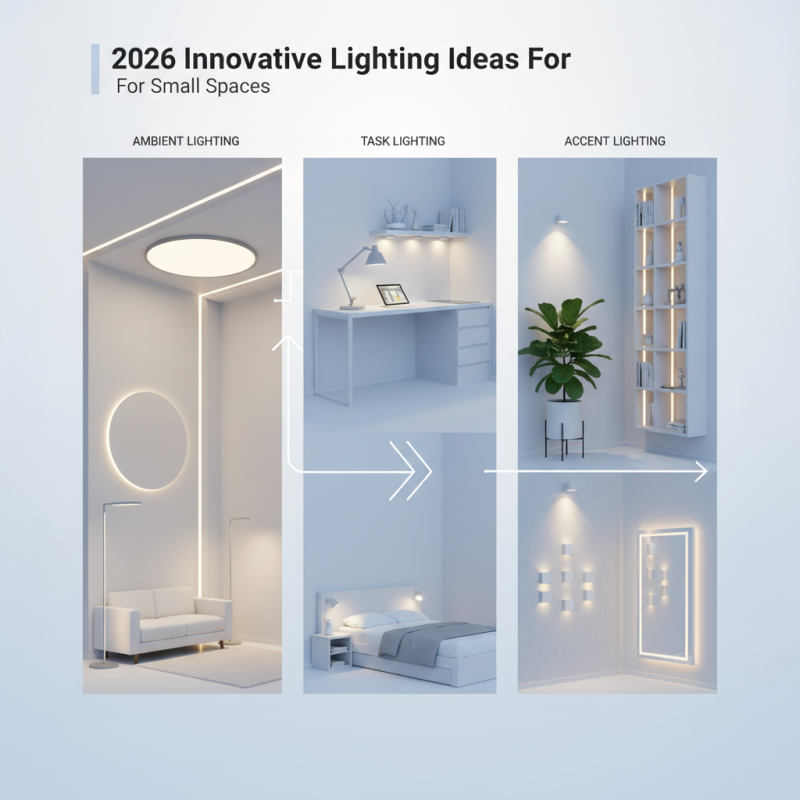
Lighting designer Jane Doe emphasizes that "the right light can completely change the way we see and feel in a small room." She advocates for layered lighting approaches. This includes combining ambient, task, and accent lighting to create depth. Reflective surfaces and light colors enhance the effect, making spaces feel larger and more open.
However, not every idea works flawlessly. Some may overwhelm a small area instead of enhancing it. Choosing the right fixtures and placement requires careful thought. Reflecting on one's personal style is critical. The goal should not just be to fill a space with light, but to create an atmosphere that resonates. Thus, exploring innovative lighting ideas for small spaces becomes a journey of creativity and practicality.
Innovative Lighting Concepts for Enhancing Small Spaces in 2026
Small spaces often require creative solutions for lighting. Innovative concepts can transform a cramped area into a cozy haven. Consider using wall-mounted fixtures that save floor space while providing ample light. Ceiling lights with adjustable brightness can create different moods throughout the day. Focus on layering your lighting. Combine ambient, task, and accent lights to enhance the functionality of each corner.
Mirrors can double the effect of lighting in compact areas. Positioning lights strategically around a mirror can create an illusion of depth. This simple trick makes a small room feel airier and more open. Don’t overlook floor lamps—they can add verticality and interest to your space. A sleek, modern lamp can serve as a statement piece while illuminating essential areas.
While many ideas seem promising, some may not fit your needs perfectly. Experimenting with placement is key. What looks good in theory might not work in practice. Be open to trial and error. Keep in mind the balance between style and function. The right lighting can be transformative, but it’s important to reflect on what genuinely enhances your space.
Types of Lighting Fixtures Ideal for Compact Living Areas
When it comes to small spaces, choosing the right lighting fixture is crucial. Overhead lights can overwhelm smaller areas, making them feel cramped. Instead, consider wall sconces. They add style while freeing up floor space. These fixtures can be placed strategically to highlight artwork or create ambiance.
Table lamps are another flexible option. They fit easily on shelves, desks, or side tables. Look for compact designs that complement your decor. The soft light they emit can create a cozy atmosphere. Remember, even small lamps can make a big difference.
**Tips:** Choose dimmable options to adjust brightness. Layering light creates depth. Combine ambient, task, and accent lighting for balance. If you're uncertain, test different placements to find what works best in your space. Keep in mind that too much light can feel harsh. Aim for a warm tone to enhance comfort.
Creative Techniques for Maximizing Light in Small Rooms
Lighting plays a crucial role in small spaces. It can either enhance or diminish the feeling of openness. To maximize light, consider different techniques that create an airy atmosphere.
One effective method is using mirrors. Mirrors reflect light and create the illusion of space.
Place a large mirror opposite a window. This will bounce natural light throughout the room. Wall-mounted mirrors can also save floor space while providing similar effects.
Layered lighting is another technique. This involves combining ambient, task, and accent lights. For instance, use ceiling lights for general illumination.
Add a desk lamp for focused lighting. Floor lamps in corners can introduce warmth. Different light sources contribute to depth and character.
Experiment with color temperatures. Warmer light can cozily illuminate, while cooler tones can make rooms feel more expansive. Choose fixtures that complement your decor style. Unexpected combinations can lead to creative expressions.
Pay attention to the sizes of the fixtures too; oversized ones can overwhelm.
In small spaces, every detail counts. Test different arrangements and adjust as needed. Reflect on which setups work best. The goal is to create a harmonious balance of light and space.
Trends in Color Temperature and Its Impact on Small Environments
Color temperature plays a vital role in transforming small environments. Studies reveal that warmer tones (around 2700K) can create an inviting atmosphere, while cooler temperatures (above 4000K) enhance focus and productivity. In compact spaces, selecting the right lighting can significantly influence mood and functionality. A recent report by the Lighting Research Center highlights that over 60% of individuals prefer warmer light in areas where they unwind.
However, the challenge lies in achieving a balance. Many small space owners default to harsh, bright LEDs, which can cause strain and discomfort. While cool lighting may seem appealing for workspaces, it can feel unwelcoming in smaller rooms. Designers advocate for layered lighting, using a mix of ambient, task, and accent lights. This approach allows flexibility in adjusting color temperatures according to specific needs.
Thoughtful lighting can redefine space perception. A well-lit corner can appear larger and more inviting. Yet, many underestimate the importance of color temperature. Research indicates that improper lighting can lead to feelings of confinement in small spaces. Striking the right balance involves experimentation and reflection. Consider how each light source affects your environment and mood. The results can be surprisingly transformative.
Sustainable Lighting Solutions for Small Spaces in Modern Design
Sustainable lighting solutions are becoming essential in modern design, especially for small spaces. These areas often struggle with limited natural light. Creative lighting can transform a compact room into a cozy haven. Natural materials, such as bamboo or recycled metal, can create stunning light fixtures. Not only are they stylish, but they also minimize environmental impact.
Using LED bulbs is another smart choice. They consume less energy and last longer than traditional bulbs. This small change can significantly reduce electricity bills over time. Even so, choosing the right color temperature is crucial for setting the mood. Warm white light can make the space feel inviting, while cooler tones may seem harsher.
Incorporating layered lighting is also beneficial. Shadows and highlights can add depth to small areas. However, it requires careful planning to avoid overcrowding. Overly bright spaces can feel uncomfortable. Experimenting with different designs may lead to unexpected results. Remember, functionality should always accompany aesthetics in every lighting choice.
Sustainable Lighting Solutions for Small Spaces
FAQS
: Color temperature significantly influences mood and functionality in small spaces. Warmer tones create an inviting atmosphere.
Warmer tones around 2700K are preferred for relaxation areas.
Cooler temperatures above 4000K enhance focus and productivity in working environments.
Many default to harsh, bright LEDs, causing strain and discomfort.
Layered lighting using ambient, task, and accent lights offers flexibility for varying needs.
A well-lit corner can appear larger and more inviting. Consider how each source affects the mood.
Using natural materials and LED bulbs minimizes environmental impact while enhancing aesthetics.
Careful planning helps avoid overcrowding and maintains a comfortable atmosphere in small areas.
Always balance functionality with aesthetics for the best results.
Experimentation may yield unexpected results that significantly improve the space.
Conclusion
The article "2026 Innovative Lighting Ideas For Small Spaces You Need" explores various approaches to enhance compact living areas through effective lighting solutions. It delves into innovative lighting concepts tailored for small spaces, highlighting types of fixtures that can optimize brightness without overwhelming the area. Furthermore, it presents creative techniques to maximize light, including the strategic placement of mirrors and fixtures to create the illusion of a larger space.
Additionally, the article examines emerging trends in color temperature that influence the ambiance of small environments, revealing how warm or cool lights can significantly alter perception. Lastly, it discusses sustainable lighting solutions that not only benefit small spaces but also align with modern design principles, ensuring eco-friendly choices are a priority. Ultimately, these lighting ideas for small spaces are essential for transforming them into inviting, functional, and stylish areas.
 Splink Lighting
