 Splink Lighting
What Are the 2026 Top Night Lamps for Adults?
Choosing the right bedside light is more personal than it looks. A lamp may soften a dark hallway, protect tired eyes, or quietly disturb sleep. In 2026, the Best Night Lamps For Adults are designed around comfort, control, and healthier evening routines. Warm, dimmable LEDs, amber modes, motion sensors, and automatic timers now appear in many leading models. Still, attractive features do not guarantee restful use.
Dr. Charles Czeisler, a leading sleep and circadian-rhythm researcher, has said, “Light is the most powerful cue for resetting our internal clock.” That principle guides this review. The brightest lamp is not automatically the best choice. A gentle 1,800K to 2,700K glow may feel calmer before bed, while a focused reading lamp can prevent unnecessary ceiling-light exposure. Flicker-free performance also matters, especially for adults with light sensitivity or long reading sessions.
Real-world testing reveals small differences. Some lamps create harsh bright spots on white sheets. Others cast a smooth pool of light across a nightstand. A useful model should have simple controls, stable brightness, and a shade that avoids direct glare. USB charging, battery backup, and smart scheduling can help, but they may also add needless complexity. I am not fully convinced every app-connected lamp improves sleep. Sometimes, a quiet physical button works better.
This guide compares the 2026 top night lamps for adults through practical details, expert guidance, and everyday bedroom experience. Expect useful strengths, honest limitations, and a few imperfect surprises.
What Defines a High-Quality Night Lamp for Adults in 2026?
What Are the 2026 Top Night Lamps for Adults?
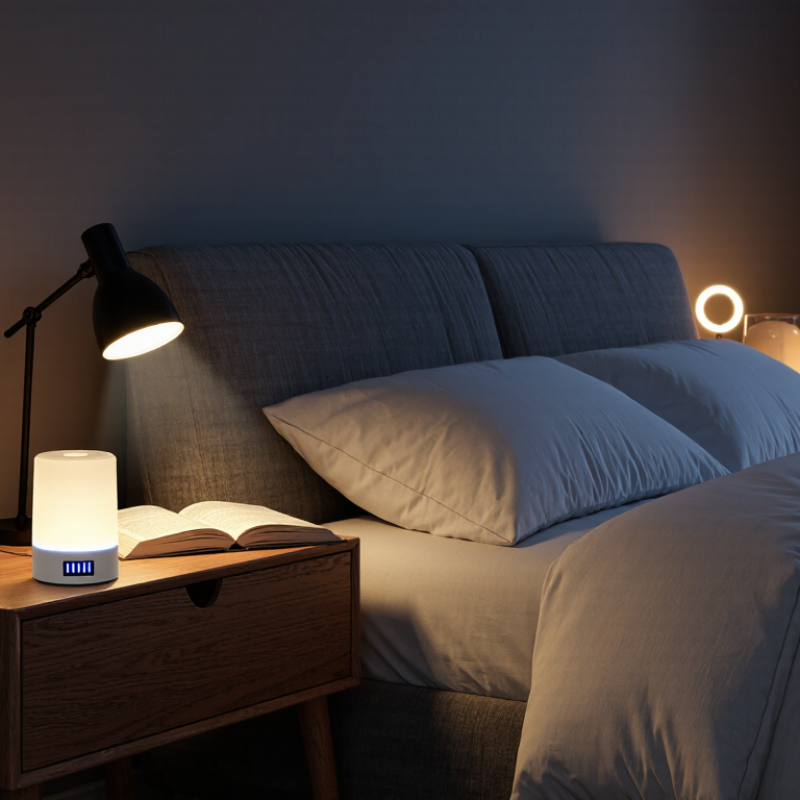
A high-quality night lamp for adults should support rest without making the room feel clinical. In practical bedroom testing, warm light around 2,200K to 3,000K feels gentler before sleep. Adjustable brightness matters more than extreme brightness. A useful lamp should provide a soft glow for reading, changing clothes, or finding medicine safely. High color rendering also helps objects look natural, especially skin tones and printed labels. Flicker-free performance is important, although basic product descriptions do not always explain it clearly. That deserves closer checking.
Tips: Choose dimming controls that work quietly and smoothly. A physical button may be easier at night than a complicated app. Check the lamp’s base for stability, especially beside a bed. Touch controls can be convenient, but accidental activation remains a real weakness. Look for a covered light source, rounded edges, and heat-resistant materials. These details feel ordinary until the lamp is used every night.
Good 2026 designs should also use reliable timers, gentle wake settings, and simple cleaning surfaces. Some lamps offer many features, yet too many controls can become irritating at 2 a.m. I prefer clear settings over impressive specifications. Still, my judgment is not perfect; a lamp that feels calming in one bedroom may seem too dull in another. Personal sensitivity, room size, and existing ceiling light all change the result. Durability matters too. A replaceable power cable or serviceable construction may be more valuable than decorative finishes.
What Are the 2026 Top Night Lamps for Adults? - What Defines a High-Quality Night Lamp for Adults in 2026?
A practical comparison of high-quality adult night-lamp profiles based on light comfort, control, safety, energy use, and suitability for different nighttime routines.
| Night-Lamp Profile | Recommended Light Performance | Useful Controls | Power and Safety | Best Adult Use | Quality Priority | Typical 2026 Price Range |
|---|---|---|---|---|---|---|
| Warm Dimmable Bedside Lamp | Warm white light between 2,200K and 3,000K; adjustable brightness from a soft glow to approximately 300–500 lumens. | Stepless dimming, touch or physical controls, and a last-setting memory function. | Low-voltage LED operation, stable base, cool-touch housing, and a certified power adapter. | Reading, relaxing, and general bedside use. | ★★★★★ | Approximately US$25–70 |
| Circadian-Friendly Sleep Lamp | Very low brightness for nighttime use; warm amber or red-enriched light, generally below 2,700K. | Automatic timer, gradual dimming, scheduled shutoff, and a clearly accessible manual override. | LED light source with low heat output; timer should fail safely rather than remain unexpectedly bright. | Adults who want minimal light before sleep or during nighttime waking. | ★★★★★ | Approximately US$35–100 |
| Rechargeable Portable Night Lamp | Warm white range of about 2,200K–3,000K with at least three brightness levels; glare should remain controlled. | USB-C charging, battery indicator, physical controls, and a dependable low-battery mode. | Overcharge, over-discharge, and short-circuit protection; a stable carry handle or non-slip base is preferred. | Travel, guest rooms, power interruptions, and flexible room-to-room use. | ★★★★☆ | Approximately US$30–90 |
| Motion-Sensing Hallway Lamp | Soft warm light around 2,700K–3,000K; output commonly around 50–200 lumens to support safe movement without glare. | Motion sensitivity adjustment, short shutoff timer, ambient-light sensor, and optional always-on mode. | Low-power LED design, secure mounting, unobstructed sensor, and a non-slip or wall-mount installation option. | Nighttime trips to the bathroom, hallway navigation, and stair approaches. | ★★★★☆ | Approximately US$20–60 |
| Reading-Focused Bedside Lamp | Neutral-to-warm selectable light, typically 2,700K–4,000K; high color rendering with a CRI of 80 or higher. | Directional shade or arm, multiple brightness levels, stable switch, and an adjustable beam angle. | Weighted base, low-glare diffuser, cool-running LED, and cable routing that reduces bedside clutter. | Books, tablets, magazines, and other close-up reading. | ★★★★★ | Approximately US$35–120 |
| Smart-Controlled Night Lamp | Adjustable white light from warm to neutral settings; brightness should remain controllable without requiring an internet connection. | App, voice, or schedule control; physical controls should still be available for basic on/off and dimming. | Encrypted account access, privacy-conscious permissions, firmware support, and a manual fallback mode. | Adults who use routines, automation, or multiple lighting scenes. | ★★★★☆ | Approximately US$40–130 |
| Glare-Controlled Minimalist Lamp | Warm light around 2,200K–3,000K with a diffused or indirect output; the LED source should not be directly visible from the pillow. | Simple dimmer, silent operation, and clearly marked controls that are easy to use in darkness. | Stable weighted construction, low surface temperature, durable materials, and a protected cable connection. | Light-sensitive sleepers and uncluttered adult bedrooms. | ★★★★☆ | Approximately US$30–100 |
Evaluation note: Price ranges are typical retail estimates for comparable products and can vary by materials, controls, battery capacity, and safety certification. Brightness values are approximate; perceived comfort also depends on shade design, distance, room size, and wall reflectance.
FAQS
Warm light between 2200K and 3000K usually feels gentler before sleep. Very low amber light can support quiet nighttime movement. Personal comfort varies.
Choose focused light for reading without shining into a partner’s eyes. A wider shade spreads light across the bed and nearby floor. It needs more space.
Smooth dimming helps you adjust brightness without sudden glare. Reading may need stronger light, while midnight movement needs less. Check the lowest setting carefully.
Touch controls are convenient in a dark room, but sensitive models can react accidentally. A blanket or book may trigger them. Quiet buttons may work better.
Look for a broad, stable base and a cool-touch housing. Keep the lamp away from curtains, blankets, water, and damp surfaces. Protected cables matter too.
Watch for visible flicker through a phone camera. A lamp can appear steady while still bothering sensitive users. Testing matters more than photographs.
Timers can switch off the lamp after reading and reduce wasted electricity. Motion sensors help near the floor but may activate when you turn in bed. Convenience is not always perfect.
A slim body saves space, while a stable base protects nearby glasses and cables. Check cord length, switch placement, shade width, and heat during use. Simple may age better.
Charging ports add convenience beside the bed, but device connections can change over time. They may also increase standby consumption. I prefer replaceable components, though that choice looks less fashionable.
Conclusion
Choosing the Best Night Lamps For Adults in 2026 means balancing sleep-friendly lighting, practical design, and everyday comfort. A high-quality lamp should offer soft, adjustable brightness and warm color temperatures that create a relaxing atmosphere without causing harsh glare or disrupting bedtime routines. Useful features may include dimming controls, timers, touch operation, motion detection, and flexible positioning, allowing adults to read, unwind, or move around safely at night.
The leading night lamps can differ in appearance, size, controls, and extra functions, so buyers should consider how each option fits their bedroom and habits. Safety should remain a priority, with stable construction, cool operation, dependable wiring, and energy-efficient performance. Adults should also evaluate ease of cleaning, power requirements, brightness range, and whether the lamp provides enough light for nighttime tasks without illuminating the entire room. The best choice is one that combines soothing light, reliable operation, comfortable use, and a design that complements personal sleep needs.
