In the competitive landscape of modern business, lighting plays a crucial role. LED lighting benefits and uses are proving essential for many companies. Adopting LEDs not only enhances the ambiance but also boosts energy efficiency. Businesses can significantly cut down their electricity bills through smart lighting choices.
Many organizations overlook the importance of lighting. This can hinder productivity and staff morale. LEDs offer a myriad of advantages, such as long lifespan and low heat emission. They can reduce maintenance costs and the frequency of replacements. In sectors like retail, proper lighting can influence consumer behavior. It shapes the shopping experience and drives sales.
Understanding LED lighting benefits and uses is vital for business growth. However, some may struggle to switch from traditional options. Resistance to change can stifle innovation. Embracing LED technology opens new avenues for efficiency and sustainability. As more businesses recognize these advantages, the shift towards LED lighting becomes inevitable.
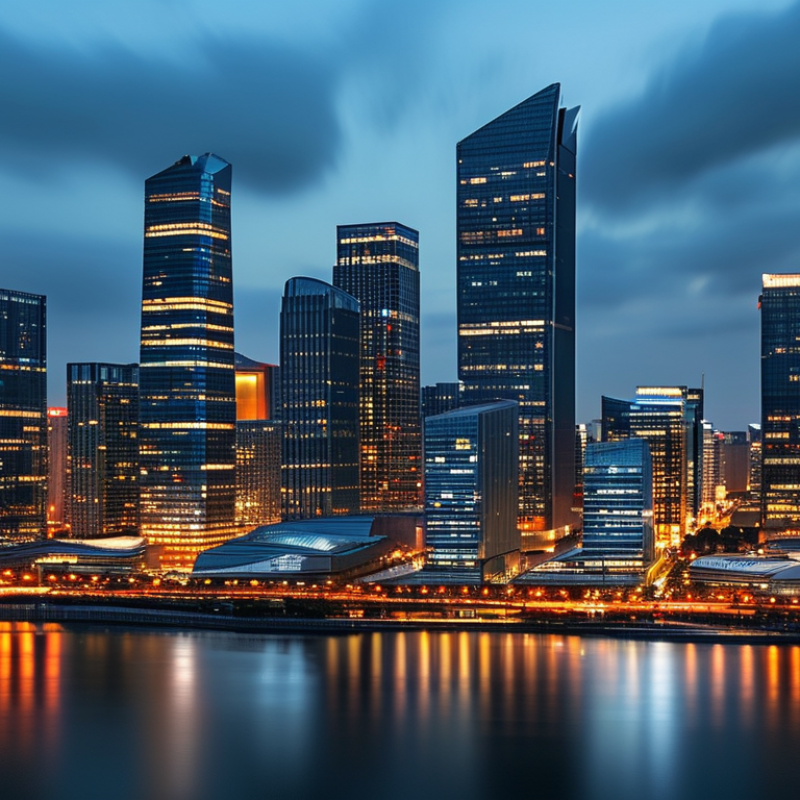
Benefits of LED Lighting for Businesses
LED lighting has become a popular choice for businesses due to its numerous benefits. According to a report by the U.S. Department of Energy, LED lights use at least 75% less energy than traditional incandescent bulbs. This significant reduction can lead to lower electricity bills, making a substantial impact on monthly expenses. The longer lifespan of LED lights, which can last up to 25,000 hours, translates into reduced maintenance costs. Fewer replacements mean less disruption for daily operations.
A study by the Lighting Research Center highlights that LED lighting can enhance productivity in workplaces. Improved visibility and reduced eye strain create a more comfortable environment. Businesses that implement LED solutions often report higher employee satisfaction. Moreover, LED technology allows for customizable lighting solutions, improving ambiance and aesthetics.
Despite these advantages, some companies hesitate due to initial investment costs. This reluctance can be puzzling, as the savings on energy bills and maintenance can quickly offset these expenses. Evaluating long-term benefits versus short-term spending is crucial. Understanding the full scope of LED lighting's potential can drive better decisions for businesses seeking efficiency and innovation.
Cost Efficiency and Energy Savings
Switching to LED lighting can significantly enhance cost efficiency for businesses. According to the U.S. Department of Energy, LEDs use at least 75% less energy than incandescent lighting. This translates to direct savings on electricity bills. For businesses with large facilities, these savings can run into thousands of dollars annually. In addition, LEDs have a longer lifespan, often lasting up to 25,000 hours compared to 1,000 hours for traditional bulbs. This reduces the frequency of replacements and associated maintenance costs.
Many businesses overlook the impact of lighting on employee productivity. A report from the Harvard Business Review highlighted that quality lighting can boost productivity by up to 15%. When employees work in well-lit environments, they tend to feel more energized and focused. Choosing LED lighting is not merely about savings; it’s also about creating an optimal workspace.
Consider switching your lighting in phases. Start with the most used areas. It’s crucial to conduct a lighting audit to identify opportunities for improvement. Investing in quality LED fixtures may have higher upfront costs, but the long-term savings are worth it. Tracking energy use before and after the switch can provide insights and allow for adjustments in lighting strategies as needed.
Cost Efficiency and Energy Savings of LED Lighting
Environmental Impact of LED Technology
LED lighting technology significantly reduces the environmental impact of businesses. According to the U.S. Department of Energy, LED lights use at least 75% less energy than traditional incandescent bulbs. This lower energy usage translates directly into fewer greenhouse gas emissions. By switching to LED, businesses can help decrease their carbon footprint significantly.
Additionally, the lifespan of LED lighting contributes to sustainability efforts. Longevity is a key feature; LED lights can last up to 25 times longer than their incandescent counterparts. This not only reduces waste but also minimizes the frequency of replacements. A study by the Lighting Research Center shows that less frequent replacements lead to less material waste in landfills.
While LEDs are a beneficial choice, challenges remain. The initial cost of LED installation can be higher compared to traditional lighting options. Organizations need to weigh short-term expenses against long-term savings and environmental benefits. Implementing LED technology is a step towards greener operations, but proper planning and consideration are essential for optimizing that impact.
Versatility and Applications of LED Lighting
LED lighting has become a pivotal choice for many businesses, especially due to its versatility. From retail environments to office settings, LED lights can adapt to various applications. According to the U.S. Department of Energy, commercial LED lighting can reduce energy consumption by 40% to 60%. This significant reduction makes LED lights not just a smart choice, but also a cost-effective one.
The durability of LED fixtures adds to their appeal. They last up to 25 times longer than traditional bulbs, which minimizes replacement costs and maintenance efforts. This longevity is particularly beneficial in hard-to-reach locations where changing bulbs can be a hassle. Moreover, the quality of light produced by LEDs is superior. They offer better color accuracy and consistency, which is essential for displaying products effectively in stores or creating a productive work environment.
In addition to being energy efficient, LED lights are highly versatile in design. They come in various shapes and sizes, allowing businesses to customize their lighting to fit particular themes or functions. A report by Markets and Markets estimates that the global LED market will reach approximately $180 billion by 2024. While this growth indicates widespread acceptance, businesses must also reflect on their specific needs. Choosing the right type of LED lighting can be challenging, but the potential benefits are well worth the effort.
Improving Workplace Safety and Productivity with LEDs
LED lighting has transformed modern workplaces, enhancing both safety and productivity. One major benefit of LEDs is their ability to reduce eye strain. Traditional lighting often flickers or emits harsh glare, leading to discomfort and distraction. In contrast, LED lights provide a steady, bright illumination that can help employees focus better. This is particularly vital in tasks requiring attention to detail.
In addition to improving visual comfort, LED lighting can significantly boost workplace safety. Poor lighting is a common cause of accidents on the job. By using LEDs, businesses can ensure that all areas are well-lit. This helps prevent slips, trips, and falls, especially in high-traffic zones. Furthermore, LEDs are often designed to have longer lifespans, reducing the frequency of replacements. This means fewer opportunities for maintenance workers to be in risky situations.
However, it's crucial to consider the placement and brightness level of LED fixtures. Not every space benefits from the same type of lighting. A balance must be struck to avoid overly bright or dim areas. Regular assessments of lighting conditions can provide valuable insights into how well the current setup is serving employees' needs. Adjustments may be necessary over time to maintain an optimal work environment.
FAQS
: LED lights use at least 75% less energy than traditional bulbs, leading to lower electricity bills.
LED lights can last up to 25,000 hours, reducing maintenance and replacement costs significantly.
Yes, LED lighting enhances visibility and reduces eye strain, creating a comfortable work environment.
Switching to LED significantly reduces energy use and greenhouse gas emissions, helping to lower carbon footprints.
Initial costs can be higher than traditional lighting but savings often offset these within a short time.
Good illumination from LEDs helps prevent accidents, reducing the chances of slips and falls in workspaces.
Yes, placement and brightness level must be considered to avoid overly bright or dim areas in the workplace.
Many businesses report higher employee satisfaction and comfort levels after switching to LED solutions.
Regular assessments of lighting conditions are necessary to maintain an optimal working environment for employees.
Some may hesitate due to initial investment costs, needing to balance short-term expenses with long-term benefits.
Conclusion
LED lighting offers numerous benefits and uses for businesses, making it an increasingly popular choice for commercial spaces. One of the primary LED lighting benefits and uses is cost efficiency, as these lights consume significantly less energy compared to traditional lighting options, leading to lower electricity bills and reduced operational costs. Additionally, LED technology has a positive environmental impact, producing less waste and reducing carbon footprints, aligning with sustainability goals.
Moreover, LED lighting enhances workplace safety and productivity by providing bright and consistent illumination, which helps reduce accidents and promotes better focus among employees. The versatility of LED solutions allows them to be used in various applications, from general lighting to decorative elements, making them suitable for diverse business needs. Overall, the integration of LED lighting can transform business environments, yielding financial savings and contributing to a more sustainable future.
 Splink Lighting
