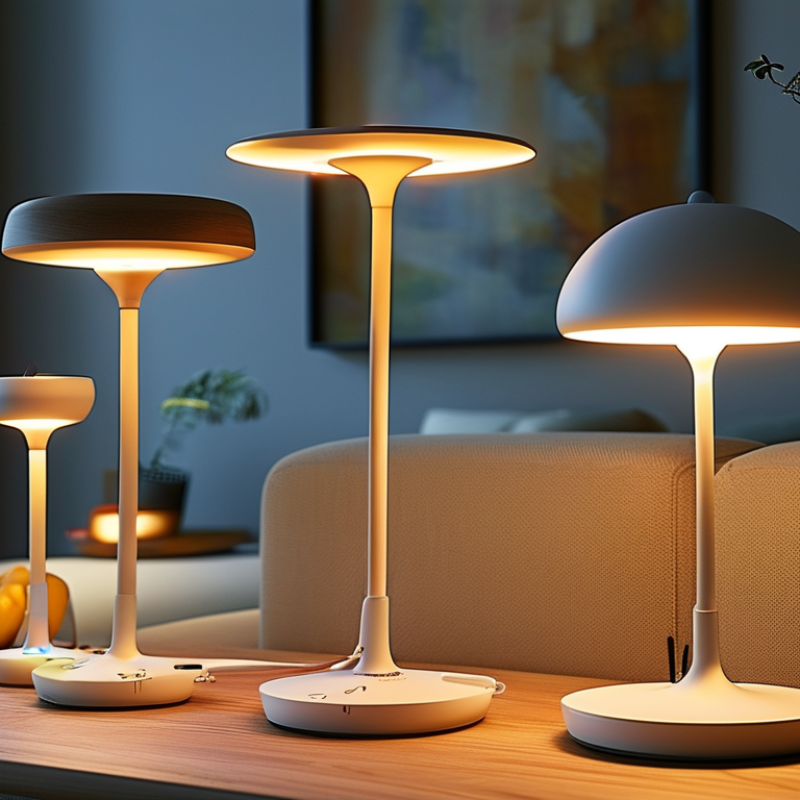
Smart lamps have gained popularity due to their versatility and innovative features. As we delve into the topic, we will explore the Best Smart Lamp Features that can enhance your living space. Selecting a smart lamp can be overwhelming, given the variety of options available on the market.
One important aspect to consider is connectivity. Many smart lamps connect to your home Wi-Fi network, allowing seamless control via smartphone apps. Features like voice control compatibility add further convenience. Additionally, customizable lighting options, such as color changes and dimming settings, can create the perfect ambiance in any room.
However, not all features are essential for everyone. Some users may find advanced settings unnecessary, making simpler designs appealing. Reflecting on your needs is vital when choosing the right smart lamp. The right balance of functionality and ease of use defines the best choice for you.
Key Lighting Options and Technology in Smart Lamps
When choosing smart lamps, consider the key lighting options and technology. Smart lamps typically offer adjustable color temperatures. This feature allows users to create the perfect atmosphere. You can switch from warm tones for relaxation to cool tones for energy. Some lamps even mimic natural sunlight, providing a more comfortable living environment.
Another important aspect is connectivity. Many smart lamps connect to Wi-Fi or Bluetooth. This allows control through a smartphone app. Users can set schedules, adjust brightness, and even sync with music. Such functionalities enhance the user experience significantly.
When selecting a smart lamp, reflect on your specific needs. Do you want ambiance or functionality? Look for models with dimming options. This can help create a cozy space. Evaluate the user-friendly interfaces as well. A complex setup can be frustrating. Always check reviews for reliability before making a purchase.
Control Methods: App, Voice, and Touch Features
Smart lamps have transformed how we interact with light in our homes. Their control methods stand out, allowing users to tailor lighting to their preferences. App control is a popular option. Through a smartphone, you can adjust brightness and color. This method provides convenience, especially when you are away from home. However, reliance on your phone can be a drawback. If your phone dies or malfunctions, controlling the lights becomes challenging.
Voice control is another innovative feature. With virtual assistants, simply speaking commands can change your surroundings. You can say, "Turn off the living room lights," and the lamp will obey. This method enhances ease of use, particularly for multitasking. However, voice recognition may not always work perfectly. Background noise or unclear accents might lead to misunderstandings.
Touch features offer a hands-on experience. By tapping or sliding your finger on the lamp, you can control settings quickly. It's intuitive and can feel more personal. Yet, not everyone finds touch controls reliable. They may require extra care, especially if they are unresponsive or overly sensitive. Each control method has merits and flaws, making it essential to choose one that fits your lifestyle.
Integration with Smart Home Systems and Automation
Smart lamps represent a significant innovation in home lighting technology. Their ability to integrate seamlessly with smart home systems makes them a valuable addition. Users can combine these lamps with various devices. This creates a cohesive and automated home environment. Imagine walking into a room and having the lights adjust based on your preferences, all without lifting a finger.
Automation is one of the most appealing features of smart lamps. These devices can follow routines set by the homeowner. For instance, lights can gradually dim at bedtime or turn on when you arrive home. This level of convenience can transform daily living. However, users should consider potential challenges. Perhaps the automation may not always match your exact needs. It might require some fine-tuning over time to get it just right.
Integration with smart home systems is not only about convenience but also about compatibility. Some smart lamps may not work perfectly with all existing technology. This can lead to frustration if the desired features don't activate as expected. Regular software updates and user feedback are essential for enhancing these integrations. Thus, homeowners should remain proactive in managing their smart environments. Balancing convenience with personal adjustment is key to fully enjoying smart lamp technology.
Energy Efficiency and Sustainability in Smart Lamp Design
When exploring smart lamps, energy efficiency and sustainability stand out as crucial features. Smart lamps typically use LED technology, which consumes significantly less power than traditional bulbs. This energy-saving capability is vital as it reduces carbon footprints. By choosing energy-efficient options, users can save on electricity bills while contributing to environmental conservation.
Sustainability in smart lamp design goes beyond just energy consumption. Many smart lamps use recyclable materials, minimizing waste. Additionally, some models offer features like dimming and scheduling, allowing users to optimize light usage. These features not only enhance convenience but also promote responsible energy use. However, not all products on the market adhere to high sustainability standards. It is essential to research and choose lamps that prioritize eco-friendly practices.
While smart lamps significantly improve energy efficiency, their long-term sustainability hinges on the manufacturing process. Some manufacturers may overlook eco-friendly practices to cut costs, leading to products that cannot be easily recycled. Consumers should remain vigilant and consider certifications regarding sustainability standards. It is vital to balance the allure of smart features with a commitment to environmental responsibility.
Energy Efficiency and Sustainability in Smart Lamp Design
This chart illustrates key features of smart lamps focusing on energy efficiency and sustainability. It highlights the effectiveness of LED lighting, their lifespan, recyclability, and potential energy savings compared to traditional lighting solutions.
Customizable Color and Brightness for Different Environments
Smart lamps have revolutionized the way we interact with our living spaces. Customizable color and brightness are standout features. These lamps allow users to adjust settings to enhance mood or functionality. Imagine hosting a dinner party with warm tones that create a cozy atmosphere. Dim the lights for a relaxing movie night, or brighten up your workspace for increased productivity.
Different environments demand different lighting. A smart lamp can transition from bright, energizing white light in the morning to soft, muted colors in the evening. This adaptability is essential for promoting well-being. As we recognize the impact of lighting on our emotions, this feature becomes crucial. However, not all smart lamps are created equal. Some may struggle to provide consistent color accuracy, leaving users frustrated.
Finding the right balance between customization and usability is important. Users should consider how easy it is to switch settings during daily routines. Some interfaces can be confusing, making adjustments cumbersome. Quality matters. Reliable technology will ensure that your smart lamp performs consistently over time. Look for lamps that offer an intuitive app or remote control for seamless changes.
What are the Best Features of Smart Lamps to Consider? - Customizable Color and Brightness for Different Environments
| Feature |
Description |
Benefits |
Suitable Environments |
| Customizable Color |
Allows users to choose from a wide spectrum of colors to set the mood. |
Enhances ambiance and can improve emotional well-being. |
Living rooms, bedrooms, home theaters. |
| Adjustable Brightness |
Enables users to change the light intensity according to their preferences. |
Helps create a comfortable atmosphere for reading, working, or relaxing. |
Offices, study areas, dining rooms. |
| Scheduling Options |
Program lamps to turn on/off at specific times automatically. |
Enhances security and routine management. |
Entrance areas, bedrooms. |
| Voice Control |
Compatible with voice assistants for hands-free operation. |
Increases convenience and accessibility. |
Throughout the home, especially in multi-tasking environments. |
| Energy Efficiency |
Uses LED technology to reduce energy consumption. |
Lower electricity bills and a smaller carbon footprint. |
All areas, especially those used frequently. |
FAQS
: Smart lamps are innovative lighting devices that integrate with smart home systems.
Users can set routines, such as dimming lights at bedtime or turning on when arriving home.
Automation may not always meet exact needs and might require fine-tuning over time.
Some smart lamps may not work with all technology, causing frustration if features fail to activate.
They typically use LED technology, consuming less power than traditional bulbs, reducing carbon footprints.
Many use recyclable materials and offer dimming features to optimize energy usage.
No, not all products meet high sustainability standards; research is necessary for choosing eco-friendly options.
Manufacturers that cut costs may overlook eco-friendly practices, creating less recyclable products.
Look for certifications and prioritize brands that emphasize eco-friendly practices.
Users should balance the allure of smart features with environmental responsibility.
Conclusion
When considering the best smart lamp features, several key aspects come into play. First, the variety of lighting options and advanced technology available in smart lamps allow users to create tailored lighting environments. Control methods, including app-based, voice commands, and touch features, enhance user convenience and accessibility. Furthermore, the integration with smart home systems enables seamless automation and enhances the overall smart home experience.
Energy efficiency and sustainability are also crucial factors in the design of smart lamps, making them not only practical but also environmentally friendly. Additionally, the ability to customize color and brightness offers versatility, allowing users to adapt their lighting according to different settings and moods. Together, these elements define the best smart lamp features, ensuring both functionality and user satisfaction.
 Splink Lighting