Creating the perfect ambiance in your bedroom involves more than just choosing the right paint color. Proper lighting plays a crucial role in transforming a space into a sanctuary for relaxation and sleep. According to a recent report by the American Lighting Association, effective ambient lighting can reduce stress and enhance well-being. Expert interior designer Sarah Johnson emphasizes, “The right lighting is essential for setting the mood in any room, especially the bedroom.”
Implementing effective Tips For Ambient Bedroom Lighting can significantly alter your sleeping environment. Layers of light, including ambient, task, and accent lighting, create depth. Dimmer switches allow you to adjust the brightness, enhancing comfort during different times of the day. Additionally, smart lighting technology can personalize your space, making it responsive to your daily routine.
However, not all lighting solutions are ideal. Some may find overly bright lights disruptive, while others may still struggle with shadows and glare. It’s important to reflect on what aspects of bedroom lighting work best for you. Through thoughtful experimentation and adjustment, you can discover the best practices that genuinely cultivate a soothing atmosphere in your sanctuary.
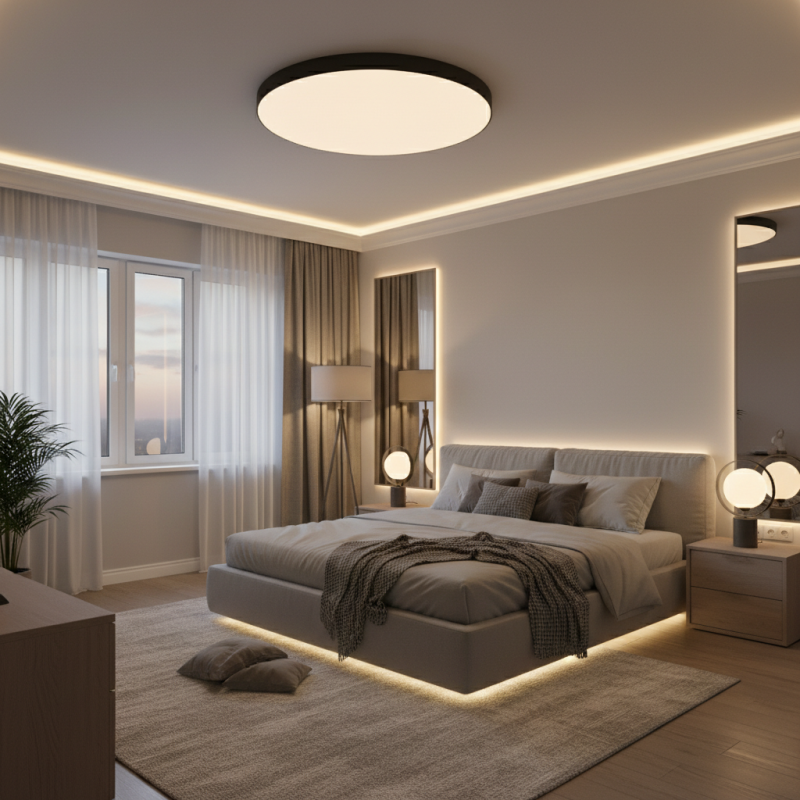
Understanding Ambient Lighting: Definition and Importance in Bedrooms
Ambient lighting plays a crucial role in bedroom design. It creates an inviting space, setting the mood for relaxation. Understanding its importance goes beyond aesthetics. Ambient lighting influences how we feel in our bedrooms. A well-lit room can reduce stress, improve sleep quality, and enhance our overall well-being.
Consider how the light interacts with your decor. Soft, warm tones create a comforting atmosphere. Yet, too much brightness can be harsh and overwhelming. Choosing the right fixtures and placement is essential. Think about floor lamps, wall sconces, or ceiling lights that offer gentle illumination.
Reflection is key. Are your current lighting choices serving their purpose? Evaluate whether you feel calm or energized in your space. Balance and warmth are vital. Imperfections in light distribution may lead to areas of shadow. Embrace these challenges as opportunities for improvement. Your bedroom should be a sanctuary, and proper ambient lighting can help create that perfect escape.
Ambient Bedroom Lighting Ideas: A Comparative Analysis
This chart illustrates the popularity of different types of ambient lighting ideas based on a survey of interior design preferences. Each lighting type showcases the percentage of respondents who favor it for their bedrooms.
Choosing the Right Light Sources: Types of Bulbs for Ambient Bedroom Lighting
When creating ambient lighting for your bedroom, choosing the right bulbs is crucial. LED bulbs are popular due to their energy efficiency and long lifespan, averaging 25,000 hours. According to the U.S. Department of Energy, LED lighting can use up to 75% less energy than incandescent bulbs. Soft white LED bulbs (around 2700K) provide a warm glow, ideal for relaxation.
Consider incorporating dimmer switches. This allows you to adjust brightness, creating the perfect atmosphere for any moment. Using multiple light sources, like bedside lamps and floor lamps, can enhance the ambiance. A report from the Lighting Research Center highlights that layered lighting improves visual comfort and functionality.
Another effective option is smart bulbs. They offer versatility with color and brightness settings. You can tailor your lighting to suit your mood, a feature that appeals to many homeowners. Remember, the way you light your bedroom can affect sleep quality. Light exposure influences melatonin production. Opt for bulbs with lower brightness in the evening to promote restful sleep. Evaluate your lighting setup regularly for optimal comfort and energy usage.
Layering Light: Combining Ambient, Task, and Accent Lighting Effectively
Creating a cozy and inviting bedroom involves more than just a pretty aesthetic. Layering light in your space can significantly enhance its ambiance. Combining ambient, task, and accent lighting is key to achieving a balanced and functional environment. Ambient lighting sets the overall tone, while task lighting provides focus for activities like reading. Accent lights add drama and highlight your décor.
When designing your layered lighting, consider different sources. A ceiling fixture can serve as your primary ambient light. Supplement it with bedside lamps for a warm glow. Wall sconces can accentuate artwork or architectural features. Play with intensities and darkness, as some areas may benefit from deeper shadows. It’s good to experiment, noting how light affects the mood.
Don't be afraid to reassess your setup. Maybe your lamp is too bright for nighttime reading. Or your accent light doesn’t quite emphasize what you intended. Keeping a flexible mindset can lead to refreshing your space with each change. Remember that the best designs come from ongoing adjustments and reflections on what feels right.
Color Temperature and Its Impact: Selecting the Right Hue for Relaxation
Color temperature is essential for creating a relaxing ambient bedroom. The right hue can set the mood and influence your well-being. Warmer tones, like soft yellows and deep oranges, promote calmness. Meanwhile, cooler colors, such as soft blues, can uplift your energy a bit. Understanding these subtleties helps enhance your comfort.
Try experimenting with different color temperatures. Warm lighting, around 2700K-3000K, can create a cozy atmosphere. It mimics the glow of sunset. Cooler lighting, in the range of 4000K-5000K, works well for more active areas. Aim to mix these to find your perfect balance.
Position lamps to eliminate harsh shadows. Accent lights behind furniture add depth. Dimming options give you control over brightness. Reflect on how each color makes you feel. Adjust accordingly. Don’t hesitate to rotate fixtures or swap bulbs as needed. Your ideal atmosphere may change over time.
2026 Best Tips for Ambient Bedroom Lighting Ideas - Color Temperature and Its Impact: Selecting the Right Hue for Relaxation
| Lighting Type |
Color Temperature (Kelvin) |
Best Use Scenario |
Impact on Mood |
| Warm LED Bulbs |
2700K - 3000K |
Cozy evenings, relaxation |
Promotes relaxation and comfort |
| Soft White Incandescent |
2700K |
Reading and winding down |
Creates a warm, inviting atmosphere |
| Cool White LED Bulbs |
4000K - 5000K |
Task lighting, morning routines |
Enhances alertness and focus |
| Daylight Fluorescent |
5000K - 6500K |
Artistic work, detailed tasks |
Stimulates creativity and productivity |
| Smart RGB Lights |
Variable |
Mood setting, parties |
Flexibility to change mood as needed |
Incorporating Smart Lighting Solutions: Enhancing Control and Flexibility
Incorporating smart lighting solutions can dramatically enhance your bedroom's ambiance. Imagine a system that adjusts the light based on your mood, activities, or even the time of day. With smart LED bulbs, you can manage different lighting scenarios. Whether it's reading a book, winding down, or enjoying a cozy movie night, you have the power at your fingertips.
One useful tip is to start with dimmable lights. These allow you to control brightness easily. Consider adding color-changing bulbs to set various tones throughout the day. For instance, a soft warm glow in the evening can create relaxation. However, finding the right balance can be tricky. Experiment with different colors and intensities to discover what feels best for you.
Another interesting option is to use smart lighting apps. These apps provide unparalleled flexibility. You can create schedules or even set timers. However, overly complex setups can become frustrating. Keep it simple initially. Focus on the essentials, and expand as you grow more comfortable. The goal is to tailor your environment to reflect your personal style and needs.
FAQS
: Ambient lighting creates an inviting space. It sets a mood for relaxation and improves overall well-being.
A well-lit room can reduce stress. It influences how we feel, helping to create a calming atmosphere.
Consider using floor lamps, wall sconces, and ceiling lights. These can offer gentle illumination that enhances comfort.
Warmer tones promote calmness. Soft yellows and deep oranges are ideal for relaxation and comfort.
Try warm lighting around 2700K-3000K for a cozy feel. Use cooler lighting for livelier areas, around 4000K-5000K.
Reflection helps evaluate if the lighting serves its purpose. Does it make you feel calm or energetic in your space?
Position lamps to eliminate shadows. Consider adding accent lights behind furniture for depth and balance.
Yes, do not hesitate to swap fixtures or bulbs. Your ideal atmosphere may evolve, and lighting should adapt too.
Harsh shadows can be overwhelming. Try adjusting the placement of lights to achieve a more balanced illumination.
Dimming gives you control over brightness. It allows you to customize the mood for various times of the day.
Conclusion
Creating the perfect ambiance in your bedroom is essential for relaxation and comfort. The article "2026 Best Tips for Ambient Bedroom Lighting Ideas" emphasizes the significance of understanding ambient lighting and its role in setting the mood. It outlines various light sources, including different types of bulbs that can enhance the overall atmosphere. By layering light through the combination of ambient, task, and accent lighting, you can achieve a more dynamic and inviting space.
Additionally, the selection of color temperature plays a crucial role in generating a soothing environment, urging homeowners to choose hues that promote relaxation. The article also discusses the benefits of incorporating smart lighting solutions, which allow for enhanced control and adaptability in your lighting setup. By following these tips for ambient bedroom lighting, you can create a serene and personalized retreat that caters to your needs.
 Splink Lighting
