Modern homes need more than bright ceilings. A kitchen island calls for clear, even light; a bedside lamp should feel softer after dusk. The Best Lighting Solutions For Modern Homes combine useful illumination, visual comfort, and energy efficiency. China’s lighting market offers a wide range of options, from recessed LEDs and pendant fixtures to smart bulbs and adjustable task lamps. Yet a popular product is not automatically right for every room.
The U.S. Department of Energy reports that residential LED bulbs use at least 75% less energy and can last up to 25 times longer than incandescent bulbs. These figures make LEDs a strong starting point, not a complete design plan. Color temperature, glare, dimming, and placement matter too. A bright, cool ceiling panel may save energy while making a small living room feel flat. Small details matter. Architect Louis Kahn’s words remain relevant: “A room is not a room without natural light.” Electric lighting works best when it supports, rather than ignores, daylight.
This guide reviews ten lighting solutions available to modern homeowners in China, with practical attention to room use, installation, and everyday comfort. It also recognizes a limitation: product specifications cannot fully predict how a lamp will feel in your home. Check samples where possible, and consider how light changes from morning to evening. That is not everything. A thoughtful choice should look good, work reliably, and suit the people who use the space.
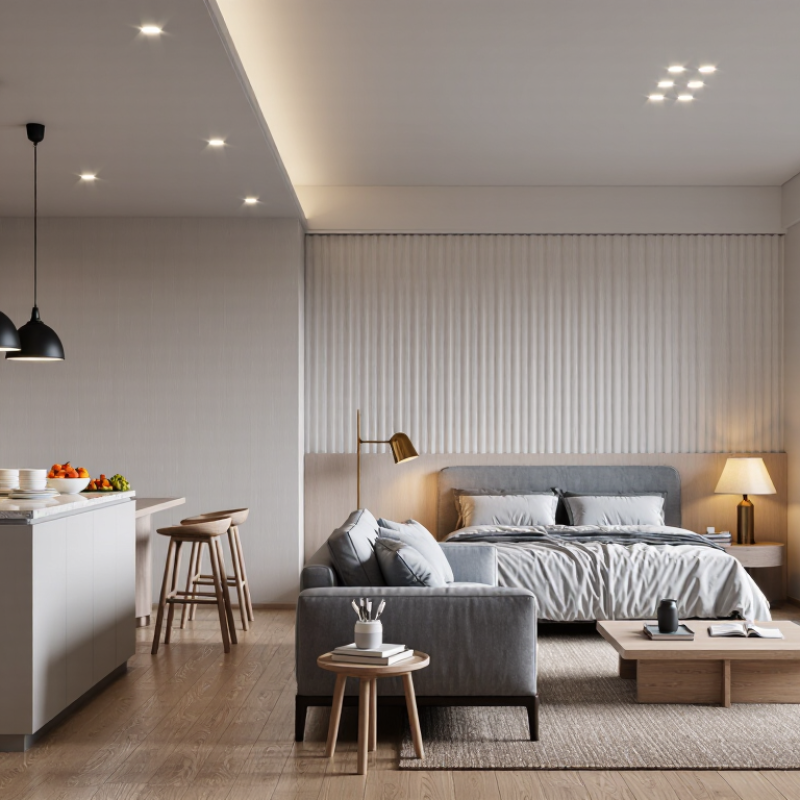
Modern home lighting in China starts with the room, not the fixture. Many apartments have compact layouts, shared living and dining areas, and windows that bring in uneven daylight. Observe where sunlight falls at noon and where shadows collect after dark. A bright ceiling lamp alone can leave a desk or kitchen counter dim.
Layered lighting works better. Use a broad ceiling light for general visibility, then add focused task lights near reading chairs, mirrors, and cooking surfaces. Glare matters. Recessed lights should not shine directly into seated eyes, and glossy floors can reflect harsh beams. In bedrooms, warmer light often feels calmer; kitchens usually benefit from clear, even illumination. Exact preferences vary, so test bulbs in the actual room before choosing several.
Controls also shape comfort. Separate switches or dimmers let one open-plan room shift from meal preparation to a quiet evening without flooding every corner. In bathrooms, choose fittings rated for the intended location and keep installation details aligned with local requirements. One planning mistake is treating color temperature as a technical answer to every problem. It cannot fix poor placement. I would allow for a little trial and error; daily habits are not always obvious on a floor plan.
Choosing home lighting starts with the tasks each room must support. In a kitchen, bright, even light helps reveal food color and keeps shadows off the worktop. In a bedroom, softer bedside lighting makes reading easier without lighting the whole room. Check brightness in lumens, but do not treat a higher number as automatically better. A bare bulb can feel harsh, even when its output is modest. I have found that lamp position matters as much as the bulb: a ceiling fixture directly above a chair can cast an awkward shadow onto a book.
Color temperature affects how a room feels. Warm white often suits bedrooms and living areas, while a more neutral tone can work well near kitchen counters. Look for a high color-rendering index when accurate colors matter, such as beside a wardrobe mirror or dining table. Test it at night. Daylight can make a sample look quite different. Also consider glare, dimming options, fixture size, and whether the light can be maintained easily. A dimmer adds flexibility, but it cannot fix a poorly placed fitting. My own plans have missed that detail more than once.
Modern homes work best with layers of light, not one bright ceiling fixture. Ambient lighting sets the room’s general level, while table lamps or wall sconces make reading and evening conversations more comfortable. In a living room, a dimmable ceiling light paired with a floor lamp near the sofa gives you useful options. Small changes matter. Warm white light often feels relaxing in bedrooms, while a more neutral tone can help kitchens feel clear and practical.
Task lighting should land where the work happens. Under-cabinet lights can brighten a chopping board without casting your own shadow across it. Pendants over an island add focused light, but their height matters: too low, and they interrupt sightlines; too high, and the counter may remain dim.
For bathrooms, choose fixtures rated for their location and avoid placing a single harsh light directly above the mirror. A softer light on both sides can reduce facial shadows. Keep it adjustable. Dimmers and separate switches help a room change with the time of day. One imperfect detail is easy to overlook: a bulb that looks warm in a shop may feel different against your wall paint at home. Test light in the actual room, and ask a qualified electrician to handle new fixed wiring.
In the living room, combine ceiling lighting with a floor lamp beside the sofa. Aim light at walls or shelves to soften glare and add depth. A dimmer helps shift the room from reading to quiet evenings. Small changes matter.
In bedrooms, use warm bedside lamps with reachable switches, not bright overhead light alone. Blackout curtains can help, but they cannot fix poorly placed fixtures.
Kitchens need clear task lighting over counters and sinks. Under-cabinet fixtures reduce shadows from your body, a detail often missed during renovation. Choose protected fittings near water, and ask a qualified installer about placement and electrical safety.
In bathrooms, use even lighting around the mirror to limit facial shadows. Not always easy. Reflective tile can also create uncomfortable glare.
Hallways benefit from low-glare fixtures spaced to light the walking path, while a study needs adjustable light directed onto the work surface.
The U.S. Department of Energy reports that LEDs use at least 75% less energy and last up to 25 times longer than incandescent lighting. Its LED Lighting guidance supports LEDs as an efficient baseline, but efficiency alone does not guarantee comfort. The Illuminating Engineering Society’s recommended practices emphasize matching light to the task; in real homes, furniture changes can still leave a once-useful beam pointing at an empty wall.
Good lighting starts with the room’s actual tasks, not a fixture count. Before installation, note where people read, cook, and move after dark. In a kitchen, place task lights over work surfaces, not behind the person chopping. A 3000K color temperature often feels comfortable in living areas, while focused work areas may benefit from a cooler tone. Choose efficient LED fixtures with suitable brightness, and check that dimmers are compatible. Flicker can be distracting. In older homes, wiring and ceiling support may need inspection by a qualified electrician before heavier fixtures are fitted. A small detail matters: keep light sources away from glossy screens and polished counters to reduce glare.
Smart controls work best when they solve a clear problem. Motion sensors can light a hallway at night, while schedules can switch off forgotten lights. Use separate zones for general, task, and accent lighting, so one switch does not illuminate the whole home. Check wireless coverage and control compatibility before buying equipment; otherwise, an elegant plan can become a collection of disconnected devices. Not every room needs automation. Manual switches should remain easy to find, especially for guests. Energy savings depend on settings and habits, not just smart features. A system may look perfect on paper, yet feel annoying if lights turn off while someone is reading. Test sensor timing and dimming levels in daily use, then adjust them.
Higher luminous efficacy means more light output per watt of electricity. The figures are indicative typical benchmarks, not ratings for specific products; actual performance varies with design, brightness, and operating conditions. For efficient installation, choose appropriately sized LED fixtures, use dimmers or occupancy sensors where suitable, and consider smart scheduling for lights used regularly.
Match brightness to the task, and compare output in lumens. More lumens do not always feel better; a bare bulb can still seem harsh.
Try warm bedside lamps with reachable switches. Soft light helps with reading without lighting the whole room.
Place task lights under cabinets and over counters. They can brighten a chopping board without your body blocking the light.
Usually, layered light offers more flexibility. Pair a ceiling fixture with a floor lamp near the sofa.
Even lighting on both sides of a mirror can reduce facial shadows. Choose fixtures suited to their location near water.
They help adjust a room for different times of day, but cannot fix poor fixture placement. I still miss that detail sometimes.
Wall paint and daylight can change how a bulb appears. Check it at night in the actual room.
They use at least 75% less energy and can last up to 25 times longer than incandescent lights. Efficiency alone does not guarantee comfort.
Ask a qualified electrician to handle new fixed wiring. Placement near sinks and other water sources needs care.
This guide explores how modern home lighting in China can balance comfort, function, and visual appeal. It explains the key factors to consider when selecting lighting, including brightness, color temperature, energy use, durability, and how each fixture complements a room’s design. It also introduces ten versatile lighting solutions, from general ambient illumination to focused task lights and decorative accents, helping readers understand how different approaches can work together throughout the home.
Room-by-room examples show how to tailor lighting for living areas, kitchens, bedrooms, and other spaces according to their daily uses. The guide also covers practical installation considerations, ways to improve energy efficiency, and the role of smart controls in adjusting light levels and schedules. Together, these ideas offer a clear starting point for choosing the Best Lighting Solutions For Modern Homes and creating spaces that are practical, welcoming, and adaptable.

Splink Lighting