China’s outdoor lighting market offers far more than decorative fixtures. It provides practical components for patios, gardens, pathways, terraces, resorts, and commercial landscapes. This guide examines China Top 10 Lighting Accessories for Outdoor Areas through real installation needs, not catalog appearance alone. Covers, connectors, mounting brackets, photocells, transformers, smart controls, and weather-resistant junction boxes can strongly influence a project’s safety and service life. Small details matter. A loose connector may collect water. A bright fixture may create uncomfortable glare beside a quiet garden path.
Lighting designer Richard Kelly famously said, “Light is the most powerful tool in the hands of the designer.” His observation remains valuable outdoors, where light must shape movement, comfort, security, and atmosphere. The best Lighting Accessories For Outdoor Areas should support the fixture, the surface, and the surrounding environment. They should also suit local weather, maintenance access, voltage requirements, and applicable electrical standards. Professional verification is essential.
This selection considers material quality, corrosion resistance, installation flexibility, energy performance, and supplier reliability. Stainless steel may perform well near humid coastlines, while coated aluminum can reduce weight in residential projects. IP ratings offer useful guidance, but they do not solve every installation problem. Even experienced buyers can overlook drainage or cable protection. That weakness deserves attention. A product may look durable in a showroom and fail under constant rain, heat, or salt exposure. The following overview therefore balances technical value with practical limitations, helping readers compare Chinese accessories more carefully and choose solutions that fit real outdoor conditions.
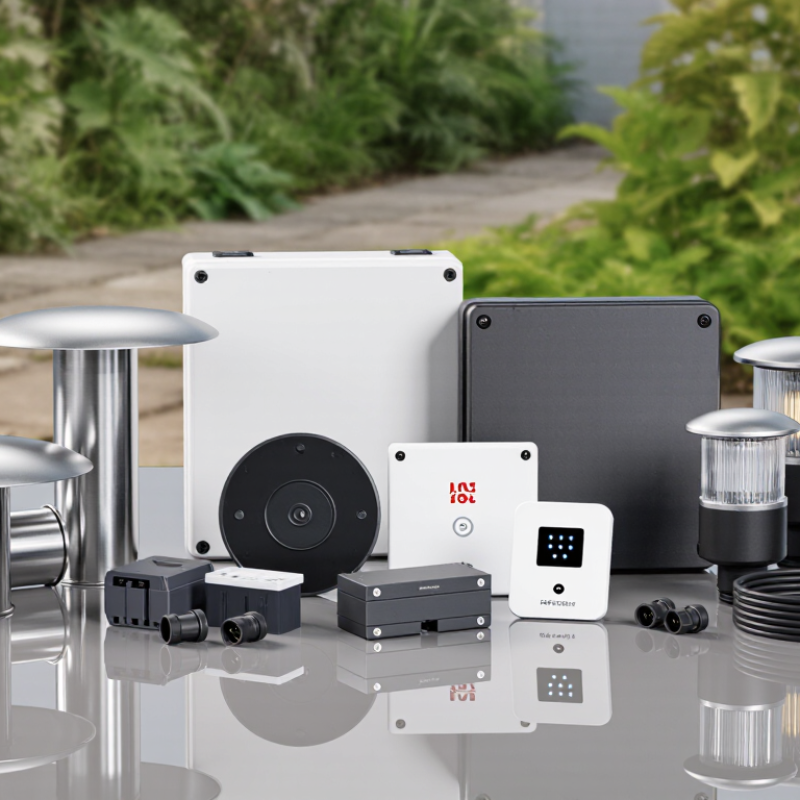
Outdoor lighting accessories extend beyond decorative add-ons. They include mounting brackets, photocells, motion sensors, timers, connectors, junction boxes, glare shields, and weatherproof cable glands. Their purpose is practical: secure fixtures, control operation, protect wiring, and improve light distribution. Selection should begin with location, exposure, load, and maintenance access.
The International Energy Agency reports that lighting uses about 15% of global electricity. The U.S. Department of Energy states that LED products can use at least 75% less energy and last up to 25 times longer than incandescent lighting.
However, efficient fixtures can still perform poorly with weak accessories. A loose bracket may tilt a pathway light after one storm. An undersized connector may invite moisture. IP ratings, corrosion resistance, operating temperature, voltage compatibility, and load capacity deserve careful checking. Many projects focus on brightness first. That is a mistake worth reconsidering.
Tips:
China’s outdoor lighting accessories combine practical design with competitive production capacity. In field installations, the right accessory often determines reliability more than the lamp itself.
The top ten lighting accessories made in China for outdoor areas include waterproof connectors, junction boxes, mounting brackets, cable glands, photocells, low-voltage transformers, extension cables, ground spikes, diffusers, and surge protectors. Waterproof connectors prevent moisture from reaching exposed wires. Junction boxes keep connections organized and easier to inspect. Adjustable brackets help aim wall lights, floodlights, and pathway fixtures accurately. Cable glands reduce water entry around cable openings. Small details matter.
Photocells switch lights according to daylight conditions. Transformers provide safer voltage for many garden systems. Outdoor extension cables need strong insulation and flexible jackets. Ground spikes secure path lights in soil, although soft ground can still cause movement. Diffusers soften harsh glare and spread light across walkways. Surge protectors help reduce damage from electrical fluctuations during storms.
During sourcing, I check material thickness, sealing performance, connector compatibility, and installation instructions. IP ratings should match the location, not merely the product description. I also request sample testing before large orders. One mistake is trusting appearance alone. A polished metal bracket may still corrode near the coast. Chinese manufacturers can offer useful customization, but buyers should verify test records, dimensions, and applicable electrical requirements independently.
Outdoor lighting works best when each accessory matches weather, wiring, and human movement. Weatherproof connectors use UV-resistant nylon and sealed silicone rings; they protect cable joints from rain. Stainless-steel mounting brackets resist rust and hold wall fixtures against masonry. Ground spikes, usually fiberglass-reinforced plastic or coated steel, secure pathway lights in soft soil. Adjustable extension arms help aim light under eaves, although thin arms may vibrate in strong wind. Cable glands compress around wires and prevent water entering junction boxes. Choose the correct diameter. Photocells use a light sensor to switch lamps on at dusk. Their performance can suffer near bright windows or reflective paving.
Motion sensors add practical security around gates, garages, and steps. They commonly use plastic housings, infrared lenses, and adjustable detection angles. Shielding reduces false triggers from passing cars, but it cannot eliminate them. Low-voltage transformers convert household power for landscape circuits and often use aluminum or flame-resistant plastic cases. Timers provide scheduled control, while digital models allow seasonal changes; simple ones are easier to trust. Junction boxes made from polycarbonate protect connections below decks or beside ponds when installed above standing water. Finally, glare shields made from aluminum or opaque polymer direct beams downward and reduce eye discomfort. In my field checks, small alignment errors matter more than expected. A perfect accessory cannot repair poor drainage, loose cables, or neglected maintenance.
| No. | Outdoor Lighting Accessory | Key Features | Common Materials | Typical Uses | Installation Considerations |
|---|---|---|---|---|---|
| 1 | Pathway Lights | Low-level fixtures that help define walkways and provide localized guidance light; available in shielded and open-top designs. | Aluminum, stainless steel, copper, tempered glass, and impact-resistant polymers. | Garden paths, driveways, and routes between outdoor living areas. | Space them to provide consistent guidance without creating glare. Choose a weather rating appropriate for the installation location. |
| 2 | Bollard Lights | Short, sturdy fixtures that distribute light around their sides or downward; some designs reduce upward light spill. | Aluminum, stainless steel, steel, concrete, and polycarbonate. | Walkways, courtyards, commercial landscapes, and the edges of parking areas. | Use suitable foundations or mounting bases, and position fixtures clear of vehicle paths and maintenance equipment. |
| 3 | Landscape Spotlights | Adjustable, directional fixtures for highlighting selected objects or features; beam angles vary by model. | Die-cast aluminum, brass, stainless steel, and glass lenses. | Accent lighting for trees, sculptures, building details, and garden features. | Aim carefully to limit glare into windows and neighboring properties. Secure the fixture and conceal or protect its cable as appropriate. |
| 4 | Floodlights | Broad-beam fixtures designed to illuminate larger areas; models may include adjustable heads or controls. | Aluminum, steel, tempered glass, and impact-resistant polymer housings. | Building entrances, yards, service areas, and outdoor workspaces. | Mount securely and aim toward the target area. Select a suitable output and beam spread to avoid excessive glare and light spill. |
| 5 | Outdoor Wall Sconces | Wall-mounted fixtures that can direct light upward, downward, or in multiple directions; styles range from decorative to functional. | Aluminum, stainless steel, brass, glass, and weather-resistant polymers. | Exterior doors, porches, patios, garages, and covered entrances. | Use a fixture rated for its exposure, including damp or wet locations as applicable, and install it on a suitable electrical box. |
| 6 | Step and Stair Lights | Compact fixtures that provide localized light on treads, risers, or nearby surfaces to improve visibility. | Stainless steel, aluminum, glass, and UV-resistant polymers. | Outdoor stairs, retaining walls, raised decks, and changes in level. | Position lights to make edges visible while limiting direct glare. Confirm that the chosen fixture suits the mounting surface and exposure. |
| 7 | Deck and Post Cap Lights | Low-profile fixtures designed to mount on deck posts, railings, or similar surfaces; some models use integrated solar panels. | Aluminum, stainless steel, copper, glass, and UV-resistant polymers. | Deck boundaries, fence posts, railings, and outdoor seating areas. | Check post or cap dimensions before purchase. Solar models need adequate daylight exposure to recharge effectively. |
| 8 | In-Ground Well Lights | Recessed fixtures that direct light upward from ground level; many include a lens cover and a housing designed for burial or paving. | Stainless steel, brass, aluminum, tempered glass, and drainage-compatible housings. | Uplighting trees, columns, walls, and landscape features. | Provide appropriate drainage and follow the fixture’s installation instructions. Select a model rated for the intended ground or paving conditions. |
| 9 | Outdoor String Lights | Flexible cables with spaced lamp holders; available in different lengths, lamp types, and connection configurations. | Weather-resistant cable jackets, copper conductors, polymer sockets, and glass or polymer lamp covers. | Patios, pergolas, balconies, outdoor dining areas, and temporary event spaces. | Support the cable at suitable intervals, avoid overloading connections, and use products and connectors intended for outdoor exposure. |
| 10 | Photocell and Motion-Sensor Controls | Photocells switch compatible lights in response to ambient light; motion sensors activate lights when movement is detected within their coverage area. | Weather-resistant polymer or metal enclosures with electronic sensing components. | Automatic control for entrances, pathways, security lighting, and other exterior fixtures. | Check electrical compatibility, sensor range, and mounting orientation. Adjust settings to reduce unwanted activation from passing traffic or nearby movement. |
Materials, construction, weather ratings, and installation requirements vary by product. Always check the fixture specifications and applicable electrical codes for the intended location.
China Top 10 Lighting Accessories for Outdoor Areas
Matching accessories to outdoor spaces requires more than choosing bright fixtures. In gardens, use spike spotlights for trees, bollards for paths, and in-ground uplights for walls. Keep beams narrow near planting beds. Wide floodlights suit driveways and loading areas, while wall lights improve visibility beside entrances. The U.S. Department of Energy reports that LED lighting uses at least 75% less energy than incandescent lighting and lasts up to 25 times longer. That supports LEDs for exposed outdoor installations.
For terraces, combine pendant lights, string lights, and low-glare step lights. Their layers create comfort without making faces look harsh. Add motion sensors near gates and photocells along paths. Smart controls can reduce unnecessary operation, especially in low-traffic areas. The International Energy Agency estimates that lighting consumes about 15% of global electricity, so control accessories matter as much as fixtures. Weather-resistant housings, sealed connectors, and corrosion-resistant finishes remain essential in humid coastal locations.
A perfect layout is rare. I still over-light corners sometimes. Check brightness after sunset, not only from a product sheet. Place bollards below eye level, and shield floodlights from neighboring windows. For hospitality courtyards, warm color temperatures usually feel calmer. For security zones, clearer neutral light may work better. China’s broad outdoor lighting supply chain offers many accessory combinations, but quality can vary. Confirm ingress protection ratings, wiring compatibility, and replacement access before installation.
How to Match Lighting Accessories with Different Outdoor Spaces
The chart compares how many of these 10 accessory types can suit each space: bollard lights, spike lights, wall lights, step lights, deck lights, string lights, pendant lights, floodlights, in-ground lights, and motion sensors. Counts are a practical matching guide, not survey results; final choices depend on layout, weather exposure, and local electrical requirements.
Outdoor lighting accessories work hard in rain, dust, and temperature swings. Choose sealed connectors, weather-rated junction boxes, and fixtures with an ingress-protection rating suited to their exposure. A covered porch and an unprotected garden path do not face the same conditions. Check cable insulation for cracks, and keep connections clear of standing water. Small details matter.
Safety starts before installation. Switch off the circuit, confirm it is de-energized, and follow local electrical codes; hire a qualified electrician when wiring is uncertain. Use ground-fault protection where required, and secure low-voltage cables so tools or lawn equipment cannot snag them. The U.S. Department of Energy reports that LED products use at least 75% less energy and last up to 25 times longer than incandescent lighting. That makes compatible LED drivers and replacement parts practical choices, but only when ratings match. Fit matters.
Maintenance is easy to postpone. That is a mistake. Wipe lenses with a soft cloth, clear leaves from drains, and inspect seals after severe weather. Replace brittle gaskets before water reaches the wiring. Keep spare connectors dry and labeled, rather than loose in a shed drawer. The DOE’s Energy Saver guidance supports LED efficiency and longevity, yet real service life still depends on heat, moisture, and installation quality. Even good equipment can fail early. A brief seasonal check can reveal loose mounts, dim output, or corrosion before a walkway becomes unsafe.
Weatherproof connectors with sealed silicone rings help keep rain away from cable joints. Match the connector diameter to the cable. Cable glands compress around wires where they enter junction boxes.
Stainless-steel brackets can hold wall lights against masonry. Fiberglass-reinforced or coated-steel ground spikes suit soft soil. Check that mounts feel firm before aiming the lights.
Place motion sensors near gates, garages, and steps. Adjust their detection angle to cover the walkway. Shielding may reduce triggers from passing cars, but cannot prevent every false alarm.
Photocells switch lights on as daylight fades. Bright windows or reflective paving can affect their readings. Timers provide scheduled control, and digital models allow seasonal changes. Simple controls can be easier to trust.
Use narrow beams near planting beds and trees. Wide floodlights suit driveways. Low-glare step lights help on terraces. I still misjudge corners sometimes. Check brightness after sunset.
Choose sealed connectors and weather-rated junction boxes suited to each location. A covered porch faces different conditions than an exposed garden path. Keep connections above standing water.
Switch off the circuit and confirm it is de-energized. Follow local electrical requirements, and contact a qualified electrician if wiring is uncertain. Secure low-voltage cables away from lawn equipment.
Wipe lenses with a soft cloth, clear leaves from drains, and inspect seals after severe weather. Replace brittle gaskets before water reaches wiring. That is easy to postpone. It should not be.
This article introduces the scope of Lighting Accessories For Outdoor Areas and explains how to select products according to brightness, durability, weather resistance, energy use, and the needs of each space. It presents ten commonly made-in-China accessory types, such as outdoor fixtures, mounting hardware, connectors, cables, sensors, and protective components, outlining their typical materials, features, and practical uses.
Readers will also learn how to match accessories with gardens, patios, paths, entrances, and other outdoor settings. The guide highlights quality checks, safe installation practices, and routine maintenance, including inspecting connections, cleaning surfaces, and replacing worn parts. Together, these considerations help create outdoor lighting arrangements that are functional, dependable, and suited to their environment.

Splink Lighting