How to Choose the Best Desk Lamp for Your Workspace?

Time:2026-05-16 Author:Sophia
0%

Choosing the best desk lamp for your workspace can significantly impact your productivity and well-being. According to lighting designer Emily Johnson, "The right desk lamp transforms your environment." In today's digital age, proper lighting is key to maintaining focus and reducing eye strain.

When considering how to select the right desk lamp, there are several factors to keep in mind. The brightness and color temperature are essential for creating an inviting atmosphere. A lamp that is too harsh can cause headaches. On the other hand, insufficient light can hamper your performance.

Moreover, the lamp's design should complement your workspace. Aesthetic appeal matters, but functionality takes precedence. A desk lamp must provide adequate illumination without taking up too much space. Reflect on your needs. Sometimes, it’s easy to overlook how an appropriate desk lamp can elevate your workspace.
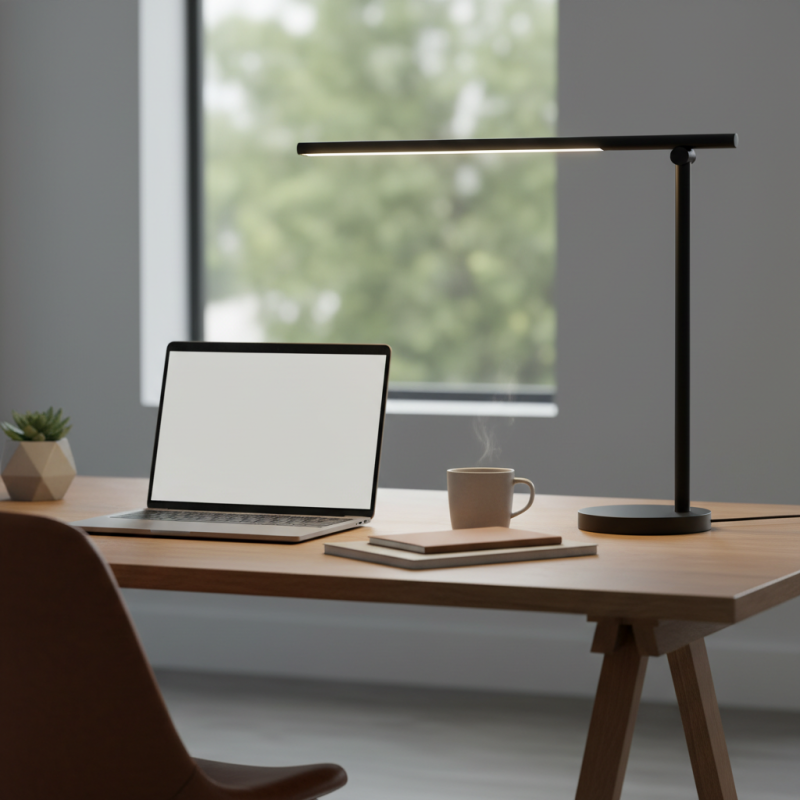
How to Choose the Best Desk Lamp for Your Workspace?

Understanding the Importance of Proper Lighting in Workspaces

Proper lighting plays a crucial role in optimizing your workspace. Good lighting reduces eye strain and boosts productivity. Insufficient light can lead to headaches and fatigue. A desk lamp can provide focused lighting, creating a comfortable atmosphere for work. Consider the type of tasks you perform. High-detail tasks, like drawing or writing, need brighter light.

Tips for choosing the right lamp include selecting the correct brightness. Aim for adjustable brightness settings to adapt to different tasks. Look for lamps with color temperature options to mimic natural daylight. This can help regulate your circadian rhythm, enhancing focus.

Additionally, think about the lamp's positioning. An ideal desk lamp should illuminate your workspace without causing glare on screens. A tilted lamp design can often work wonders. Reflect on your habits—do you adjust your lamp based on the time of day? Sometimes we forget this simple yet effective practice. An adaptable lighting setup can significantly impact your work quality.

Key Features to Consider When Selecting a Desk Lamp for Your Needs

When selecting a desk lamp, key features are crucial. Light quality matters significantly. A study by the International Association of Lighting Designers states that 56% of workers report increased productivity with better lighting. LED lamps often provide bright, crisp light. They reduce eye strain.

Adjustability is also vital. A lamp with a flexible arm allows for easy repositioning.

Consider color temperature. Research shows that cooler light (5000K to 6500K) enhances alertness. On the other hand, warmer tones (2700K to 3000K) create a calming environment. This is essential for long hours at a desk. Brightness levels should be adjustable. Too much light can be harsh. Insufficient light can create shadows that lead to distractions.

Energy efficiency is another important factor. According to the U.S. Department of Energy, LED lamps use at least 75% less energy than incandescent bulbs. This not only cuts costs but also benefits the environment. Lastly, ensure that the lamp fits your workspace's style and size. A well-chosen lamp can blend aesthetics with functionality, improving your work area significantly.

Comparing Different Types of Desk Lamps: LED, Incandescent, and Fluorescent

When selecting a desk lamp for your workspace, it’s important to understand the differences between LED, incandescent, and fluorescent options. LED lamps are energy-efficient and long-lasting. They emit bright, focused light, making them ideal for detailed tasks. Moreover, they generate less heat, reducing the risk of discomfort during long working hours.

On the other hand, incandescent lamps provide a warm glow. They create a cozy atmosphere but consume more energy and have a shorter lifespan. Their light output can be softer, which might not be suitable for intricate work.
Fluorescent lamps are another option. They are commonly found in offices and are energy-efficient, but the light can sometimes be harsh. Their flicker can lead to discomfort for some users.

Choosing the right lamp is crucial. Consider your workspace and needs. Can the light be too harsh or too soft? Reflect on how each type influences your productivity and comfort. The right choice can improve your focus and reduce eye strain. Consider testing a few options to see which works best for you.

Evaluating Brightness and Color Temperature: How They Affect Productivity

When selecting a desk lamp, brightness and color temperature are crucial. Brightness, measured in lumens, affects how clearly you can see. A brighter light can improve focus, especially in detailed tasks. However, too much brightness can cause glare, leading to eye fatigue.

Color temperature, measured in Kelvin, impacts your mood and productivity. Warmer tones (around 3000K) create a cozy and relaxing atmosphere. Cooler tones (above 5000K) improve alertness and concentration. Balancing these two elements is key to a productive workspace.

**Tips for Choosing the Right Lamp:**
- Test different bulbs in your space. This helps determine what brightness feels comfortable.
- Consider adjustable lamps. They allow for changing light levels based on your needs.
- Pay attention to the lamp’s design. A poorly positioned light can create shadows, making tasks harder.

Remember to reflect on your workspace needs. The right lighting can significantly enhance your productivity.

Assessing Ergonomics and Eye Comfort: Avoiding Fatigue During Work Hours

Choosing the right desk lamp is crucial for comfort. Ergonomics and eye care play significant roles in productivity. A well-designed lamp can help reduce eye strain. Proper lighting ensures tasks are done without unnecessary fatigue.

Positioning the lamp correctly is essential. Place it so light falls on your work area, not directly in your eyes. Consider the color temperature of the light. Warmer tones can create a relaxed atmosphere, while cooler tones promote alertness. Adjustability is also important. A lamp that can be tilted or moved easily allows for better light distribution.

The intensity of the light matters too. Bright light helps during detailed tasks but can be harsh over time. Dimming options can enhance comfort. Remember, even the best setup may not eliminate fatigue entirely. Regular breaks are still necessary to prevent burnout. Listen to your body and adjust accordingly.

FAQS

: Why is proper lighting important in a workspace?

: Proper lighting reduces eye strain and boosts productivity, leading to a more comfortable working environment.

How can poor lighting affect me?

Insufficient lighting may result in headaches and fatigue, making it hard to focus on tasks.

What should I consider when choosing a desk lamp?

Look for adjustable brightness and color temperature options to suit your tasks and mimic natural light.

How bright should my desk lamp be?

Aim for a brightness that suits your tasks, especially for high-detail work like writing or drawing.

Can lamp positioning affect my workspace?

Yes, positioning is crucial. A well-placed lamp should illuminate your desk without creating screen glare.

What features should I look for in a desk lamp?

Key features include light quality, adjustability, energy efficiency, and size that fits your workspace.

How does color temperature influence my productivity?

Cooler light enhances alertness, while warmer tones create a calming environment, which is important for prolonged work.

Are there energy-efficient lamp options available?

LED lamps use at least 75% less energy than incandescent bulbs, reducing costs and environmental impact.

Do I need to adjust my lamp throughout the day?

Yes, adjusting your lamp based on the time can optimize your working conditions but is often forgotten.

How can lighting affect my work quality?

An adaptable lighting setup can significantly improve focus and overall work quality, depending on daily habits.

Conclusion

Choosing the right desk lamp is crucial for creating an efficient workspace. Proper lighting can significantly impact your productivity and comfort throughout the workday. When considering how to select the right desk lamp, it’s essential to understand the key features that will meet your specific needs, including the type of bulb—whether LED, incandescent, or fluorescent—and the lamp’s brightness and color temperature. Each type of lamp has its own advantages that can affect both mood and focus.

Beyond light quality, evaluating ergonomics and eye comfort is vital. A well-designed lamp can reduce eye strain and fatigue, making long hours at your desk more bearable. By keeping these aspects in mind, you can find a desk lamp that not only illuminates your workspace but also enhances your overall working experience.

Sophia

Sophia

Sophia is a dedicated marketing professional with an exceptional depth of knowledge about her company's products and services. With a keen understanding of market trends and customer needs, she crafts insightful blog posts that not only inform but also engage readers, enriching the company’s online......