 Splink Lighting
Why Choose Energy Efficient Lamps for Your Business?
Lighting choices shape more than a business’s electricity bill. They influence how clearly staff see their work, how comfortable customers feel, and how often fixtures need attention. Energy efficient lamps can reduce electricity use, but savings depend on the building, operating hours, and existing equipment. There is no single lamp that suits every space.
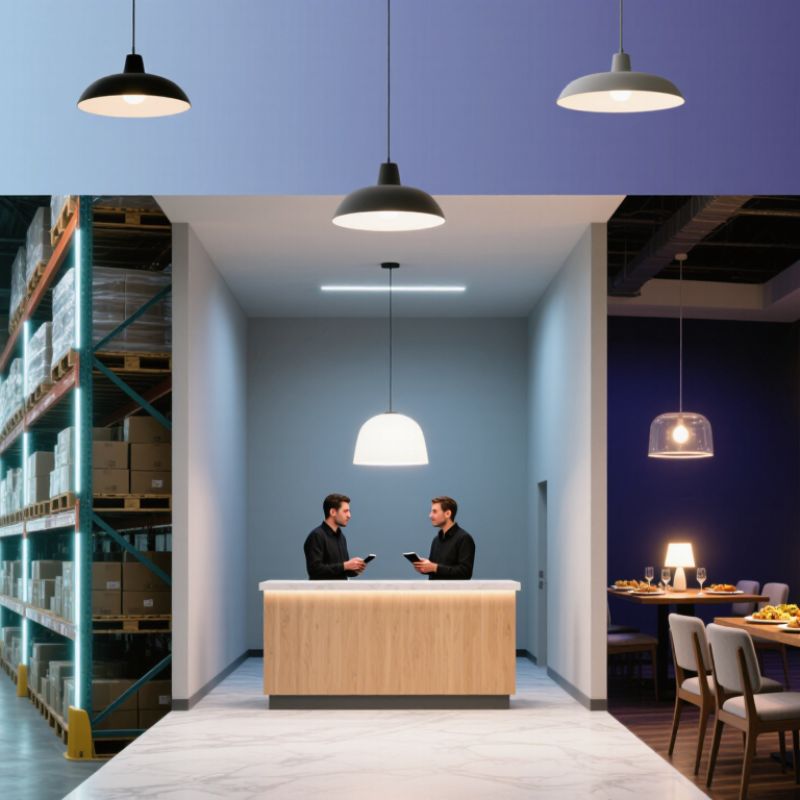
A practical choice starts with the task. A warehouse aisle, a reception desk, and a restaurant table need different light levels and qualities. Compare brightness in lumens, not just wattage, and check color temperature and color rendering where appearance matters. Confirm that the lamp fits the fixture and works with existing dimmers or controls. Small details matter. A technically efficient lamp may still create glare or uneven light.
How To Choose Energy Efficient Lamps is not just a question of selecting the lowest-wattage option. Review product specifications, expected operating hours, maintenance needs, and compatibility before buying. Where possible, test a small number of lamps in the actual space. That can reveal issues a product sheet cannot. Not always. Results may differ from estimates, especially when usage patterns change. A careful comparison gives businesses a clearer basis for balancing energy use, visual comfort, and long-term operating costs.
How Energy-Efficient Lamps Work in Commercial Lighting Systems
Why Choose Energy Efficient Lamps for Your Business?
How Energy-Efficient Lamps Work in Commercial Lighting Systems
In a commercial lighting system, efficient lamps use less electricity to produce useful light. Many LED lamps rely on an electronic driver, which converts incoming power into a controlled current. The driver helps keep light output steady and supports dimming when the lamp and controls are compatible. Better efficiency can also mean less heat around ceilings and work areas. That matters. Actual savings depend on operating hours, existing fixtures, and electricity use.
Tips: Check lumen output, not just wattage, when comparing lamps. Confirm that the lamp works with your dimmers and control system. In open offices, test for glare and flicker at desk level before replacing every fixture. Keep a few readings from the old setup for comparison.
Occupancy sensors can reduce lighting in empty rooms, while daylight sensors adjust output near windows. A warehouse aisle used all night may need a different setup from a meeting room used twice a week. Consider color quality and light distribution, too; uneven brightness can make efficient lighting uncomfortable. A retrofit may look simple on paper, but older wiring or fixtures can complicate installation. That part deserves a second look. After installation, compare energy use and inspect the space during normal work hours.
Why Choose Energy Efficient Lamps for Your Business? - How Energy-Efficient Lamps Work in Commercial Lighting Systems
| Lamp Technology | Approx. Light Output | Typical Lamp Power | Approx. Efficacy | Annual Energy Use | Annual Energy Cost | Typical Rated Life |
|---|---|---|---|---|---|---|
| Incandescent | About 800 lumens | 60 W | About 13 lm/W | 180 kWh | $27.00 | About 1,000 hours |
| Halogen | About 800 lumens | 43 W | About 19 lm/W | 129 kWh | $19.35 | About 2,000 hours |
| Compact fluorescent (CFL) | About 800 lumens | 13 W | About 62 lm/W | 39 kWh | $5.85 | About 8,000 hours |
| Light-emitting diode (LED) | About 800 lumens | 9 W | About 89 lm/W | 27 kWh | $4.05 | About 25,000 hours |
How to read the estimates: The figures compare representative lamps providing roughly 800 lumens. Annual energy use assumes 3,000 operating hours per year; annual energy cost uses an electricity rate of $0.15 per kWh. Costs cover lamp electricity only, not purchase, installation, maintenance, or cooling. Actual performance and rated life vary by lamp, fixture, operating conditions, and controls.
FAQS
Many LED lamps use an electronic driver to control current and produce steady light. LEDs can use at least 75% less energy than incandescent lamps. Actual savings vary.
Compare lumen output, not wattage alone. Check brightness, color quality, fixture fit, and dimmer compatibility. Test one area first.
Yes. Occupancy sensors can dim or switch off lights in empty rooms. Daylight sensors can reduce output near windows. The setup matters.
Some can last up to 25 times longer than incandescent bulbs. A 25,000-hour lamp running 3,000 hours yearly could last over eight years. Not guaranteed.
Heat, frequent switching, enclosed fixtures, and driver quality can shorten service life. Keep maintenance records. Rated hours are only a guide.
Compare electricity use and replacement frequency before and after installation. Inspect work areas during normal hours. Look for glare or uneven brightness.
Yes. A lamp may use little power but feel harsh at a desk. Test brightness and flicker before replacing every fixture. Small details count.
Conclusion
Energy-efficient lamps can help businesses reduce electricity use while providing reliable, comfortable lighting. In commercial lighting systems, LEDs convert more energy into light and less into heat than traditional incandescent lamps. They use at least 75% less power and can last up to 25 times longer, helping lower both energy consumption and the frequency of replacements.
To understand How To Choose Energy Efficient Lamps, consider the full cost of lighting over time—not just the purchase price. Compare each lamp’s energy use, expected operating hours, lifespan, and replacement needs. Then match brightness and color to the tasks and atmosphere of each workspace, and consider whether dimming or automatic controls could further reduce unnecessary use. A well-planned lighting setup can support productivity, improve comfort, and make operating costs more predictable.
