 Splink Lighting
How to Choose the Best Lighting Accessories for Modern Homes?
When selecting Lighting Accessories For Modern Homes, it is essential to consider both functionality and aesthetics. A recent report by the National Association of Home Builders emphasized that well-designed lighting can increase a home's value by up to 10%. Expert Jennifer Fisher, a lighting design consultant, states, “The right accessories can transform a space and enhance its mood.”
Consumers often overlook the impact of lighting. Choosing the right accessories goes beyond mere decoration; it shapes the ambiance and usability of each room. For example, pendant lights can create focal points in kitchens while floor lamps promote coziness in living areas. However, the variety can be overwhelming and lead to confusion.
Additionally, sustainability is becoming vital in lighting choices. Many homeowners seek energy-efficient options to reduce their environmental footprint. Industry reports highlight a growing trend: up to 60% of buyers prefer eco-friendly lighting solutions. In this evolving market, selecting Lighting Accessories For Modern Homes requires a careful balance between style, utility, and sustainability.
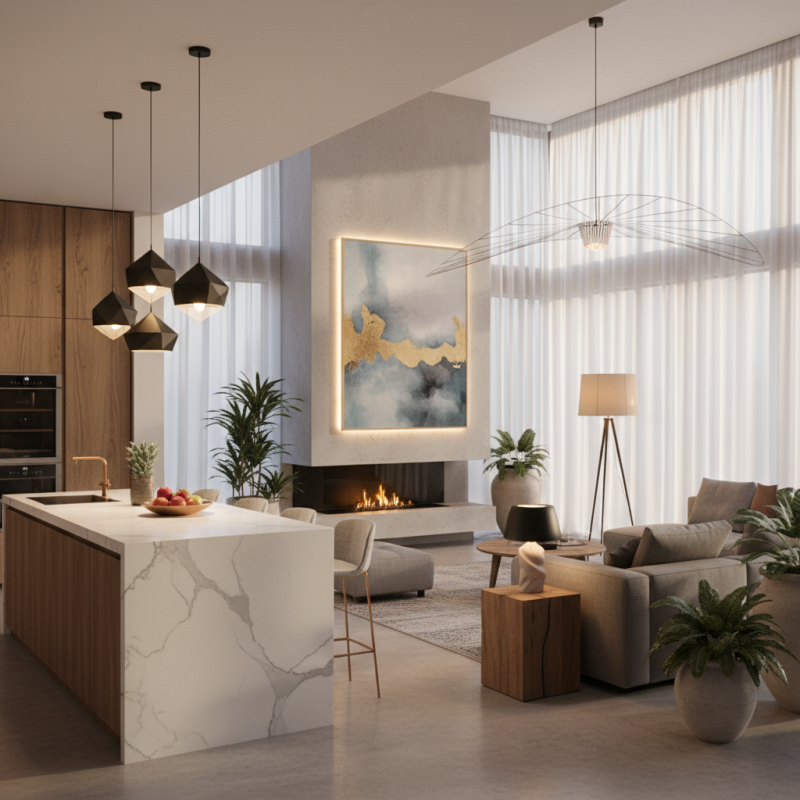
Understanding the Importance of Lighting in Modern Home Design
Lighting is a vital aspect of modern home design. It sets the mood and enhances the aesthetics of a space. Proper lighting can make a small room feel larger or a dark area more inviting. Each room requires different lighting solutions based on its function. For instance, bright, focused light works well in kitchens, while soft, ambient lighting suits bedrooms.
Understanding the balance between natural and artificial light is crucial. Large windows can flood a space with sunlight during the day. However, that doesn’t always suffice for evening use. Layering lighting is an essential technique. Combining overhead lights, floor lamps, and accent lights can create a warm atmosphere. Yet, many still overlook this and rely solely on general lighting.
Choosing the right accessories is equally important. Consider the style of your home. Modern designs often feature sleek lines and minimalist fixtures. However, some may be drawn to vintage styles that add character. The key is to reflect personal taste while ensuring functionality. Ultimately, the goal should be a harmonious blend that enhances everyday living.
How to Choose the Best Lighting Accessories for Modern Homes? - Understanding the Importance of Lighting in Modern Home Design
| Lighting Type | Description | Best Use Cases | Energy Efficiency | Estimated Lifespan |
|---|---|---|---|---|
| LED Bulbs | Energy-efficient bulbs with a long lifespan | General lighting, recessed fixtures | Very high | 15,000 - 50,000 hours |
| Smart Lighting | Wi-Fi enabled bulbs for remote control | Ambient lighting, customizable colors | High | 15,000 - 25,000 hours |
| Pendant Lights | Hanging lights that provide focused or ambient light | Dining areas, kitchens, living rooms | Moderate | 10,000 - 20,000 hours |
| Wall Sconces | Decorative lights mounted on walls for accent or task lighting | Hallways, entryways, bedrooms | Moderate to high | 15,000 hours |
| Table Lamps | Portable lamps for various spaces | Living rooms, bedrooms, offices | Varies | 2,000 - 15,000 hours |
FAQS
: Lighting sets the mood and enhances the aesthetics of your space. It can make areas feel larger or more inviting.
Kitchens need bright, focused light for tasks. Bedrooms benefit from soft, ambient lighting for relaxation.
Layering lighting combines overhead lights, floor lamps, and accent lights. It creates warmth and depth in your home.
Large windows provide natural light during the day. However, artificial lighting is needed for evenings.
Accessories should match your home’s style. They reflect personal taste and must also ensure functionality.
Dimmers allow you to adjust light intensity, tailoring the atmosphere for various occasions. This adds flexibility.
Avoid too many competing designs. Sometimes, less is more for creating a balanced and harmonious look.
Yes, lighting can dramatically change perceptions of space. Experimenting with placements can enhance dimensions.
Choose lighting that complements your design style while sharing a common design language with other fixtures.
Focus on balance and mood. Ensure each fixture complements your space without overwhelming it, maintaining cohesion.
Conclusion
Choosing the right lighting accessories for modern homes is essential for enhancing both functionality and aesthetic appeal in contemporary living spaces. Understanding the importance of lighting in home design allows homeowners to select appropriate fixtures that complement their interior décor. Various types of lighting accessories, such as pendant lights, wall sconces, and floor lamps, can be used to create versatile lighting schemes that cater to different activities and moods.
When selecting lighting accessories for modern homes, several factors should be considered, including the size of the space, the style of the furniture, and energy efficiency. Best practices for integrating these accessories involve ensuring proper placement and alignment with design elements while maintaining ease of maintenance. Regular upkeep of lighting accessories is crucial for their longevity and performance, ultimately fostering a well-lit and inviting atmosphere in modern homes.
