Choosing the right lighting for your home is crucial. Energy-efficient lamps not only save money but also benefit the environment. According to John Smith, an expert in sustainable lighting, "Investing in energy-efficient lamps is a step toward a greener planet." This quote emphasizes the importance of making informed choices.
When considering how to choose energy-efficient lamps, think about your specific needs. Do you want bright lighting for work or soft lighting for relaxation? Different lamps serve different purposes. LED lamps are popular for their longevity and lower energy consumption, but are they the best fit for your space?
Moreover, color temperature impacts the ambiance of a room. Warmer tones create a cozy feel, while cooler tones promote alertness. Reflect on what atmosphere you desire. Not all energy-efficient lamps are created equal; some may not deliver the brightness or warmth you expect. This uncertainty can lead to dissatisfaction if not thoroughly researched. It’s essential to weigh the options carefully and seek products that best suit your lifestyle and needs.
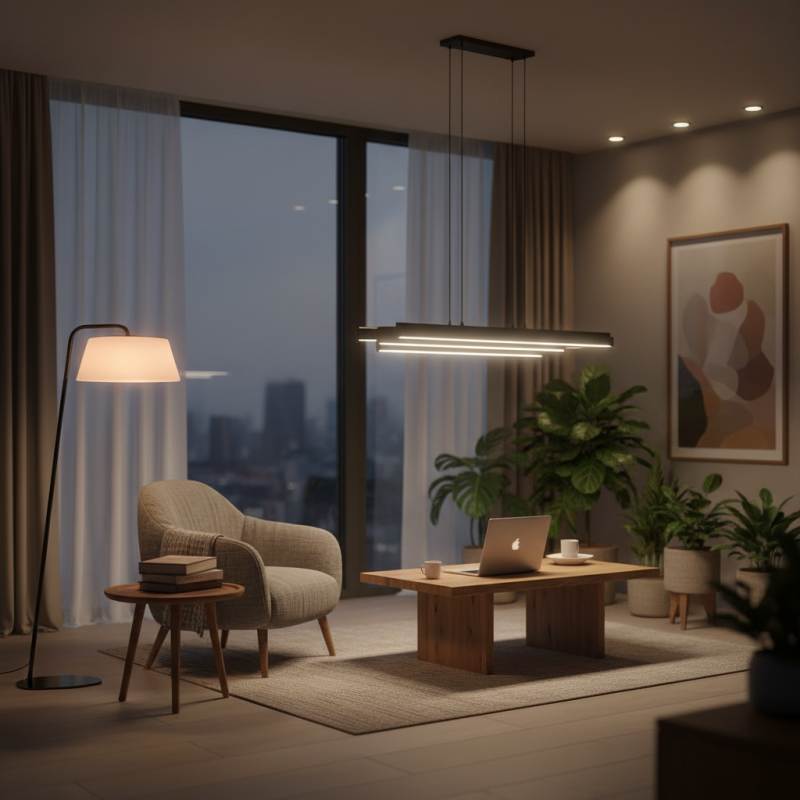
Understanding Energy Efficiency Ratings for Lamps
When selecting lamps for your home, understanding energy efficiency ratings is crucial. Energy-efficient lamps often come with labels that indicate their performance. These ratings typically include lumens, watts, and the Energy Star certification. A higher lumen number means more light output, while a lower wattage indicates less power consumption. This means you can enjoy bright spaces without overloading your electric bill.
Different types of lamps have varying efficiency ratings. For instance, LED lamps usually have the best ratings. They consume less electricity and have longer lifespans compared to incandescent bulbs. However, many people overlook the initial cost of these lamps. Although they may be pricier upfront, the savings over time are significant. Yet, this information can be confusing for consumers unfamiliar with energy ratings.
It's essential to pay attention to the specifics. Not all energy-efficient lamps perform equally well in all situations. Factors like light color and dimmability may affect your choice. It's a balance between energy savings and ambience creation. Keep experimenting with different bulbs to find the best fit for each room. This process may reveal unexpected preferences or needs for your living spaces.
Energy Efficiency Ratings for Different Types of Lamps
This chart illustrates the energy efficiency ratings of various types of lamps commonly used in households. The data shows that LED lamps are the most energy-efficient option compared to CFL and incandescent lamps.
Types of Energy Efficient Lamps Available for Home Use
When it comes to choosing energy-efficient lamps for your home, understanding the types available is crucial. The most common types include LED, CFL, and halogen lamps.
LEDs are well-known for their long lifespan and low energy consumption, typically using about 75% less energy than traditional incandescent bulbs. According to the U.S. Department of Energy, switching to LED lighting can save a household around $225 in energy costs over a bulb’s lifetime.
CFLs, or compact fluorescent lamps, are another popular option. They use about 70% less energy than incandescent bulbs. However, they contain small amounts of mercury, which requires careful disposal. This aspect of CFLs can be a potential drawback for environmentally conscious consumers.
Halogen lamps provide a bright light and are an improvement over traditional incandescent bulbs. While they are more energy-efficient than incandescents, they still consume more energy than LEDs and CFLs.
Tips: Consider the wattage and lumens to compare brightness. Look for the ENERGY STAR label to ensure quality. Changing just five bulbs in your home can lead to significant energy savings. Always think about where you place the lamps to maximize natural light use.
Factors to Consider When Choosing Energy Efficient Lamps
Choosing energy-efficient lamps for your home involves careful consideration of several factors. First, think about the type of light you need.
Brightness is measured in lumens. Higher lumens mean brighter light, while lower watts can still provide adequate illumination.
Consider the mood you want to create in each room. Warm light is cozy, while cool light is energizing.
Next, the lamp's lifespan matters. Some bulbs last much longer than others. It's not just about saving energy but also reducing replacement frequency. Look for lamps with durability ratings.
Check the color temperature as well. It influences how colors appear in your space. Some may prefer a softer hue; others might like a stark white.
Lastly, pay attention to the design style of the lamp. It should complement your home's decor while being functional.
An attractive lamp can serve as a design statement. But remember, it's not just about aesthetics; true energy efficiency often requires trade-offs. You might find that a stylish lamp doesn’t always provide the best energy savings.
Balancing beauty and efficiency can be a challenge. Reflect on how each choice aligns with your lifestyle and preferences.
Comparing Costs and Benefits of Energy Efficient Lighting
When evaluating energy-efficient lighting options for your home, understanding costs and benefits is crucial. According to the U.S. Department of Energy, LED lamps consume 75% less energy than traditional incandescent bulbs. This translates to substantial savings on electricity bills. For instance, switching to LED lighting can save a household up to $225 over a bulb's lifetime, which is typically around 25,000 hours.
However, the initial costs of energy-efficient lamps can be higher. A notable concern for many homeowners is the upfront investment of these technologies. While a standard LED bulb might cost $10 or more, long-term savings often justify the expense. Research from the Lawrence Berkeley National Laboratory indicates that while initial costs may deter some buyers, the lower energy consumption and longer lifespan outweigh these short-term financial hurdles.
It's also worth considering the environmental impact. Energy-efficient lighting reduces greenhouse gas emissions significantly. However, the production process still involves emissions. Balancing these facts requires ongoing evaluation. Adopting energy-efficient practices is a step toward sustainability, but how far we go needs thoughtful planning and reflection.
Tips for Proper Installation and Maintenance of Energy Efficient Lamps
When installing energy-efficient lamps, attention to detail is crucial. Proper placement can significantly enhance the effectiveness of the light. For instance, avoid placing lamps too close to curtains or large furniture pieces. This can block light and may even pose a fire risk. Ensure the fixtures are designed for the energy-efficient technology you are using, as not all fixtures are compatible.
Maintenance is another vital aspect that often gets overlooked. Regularly checking for dust and dirt can prolong the life of your lamps. A simple wipe down with a dry cloth can make a big difference. However, it’s easy to forget this step. Changing out bulbs when they flicker or dim can also improve energy efficiency. Staying on top of these small tasks can lead to bigger savings over time.
Consider the environment around your lamps as well. Too much ambient light can affect how well your energy-efficient lamps perform. Experiment with different setups to see what works best for your space. It may take some trial and error to find the optimal brightness, ensuring your home remains comfortable and inviting.
FAQS
: Common types include LED, CFL, and halogen lamps, each with unique energy-saving features.
LEDs use about 75% less energy than traditional bulbs and have a long lifespan, reducing energy costs.
CFLs contain small amounts of mercury, requiring careful disposal, which can concern some consumers.
Halogen lamps are more energy-efficient than incandescent bulbs but consume more energy than LEDs and CFLs.
Proper placement enhances light effectiveness and prevents potential fire risks from blocked lamps.
Regular dusting and timely bulb changes can prolong lamp life and improve energy efficiency.
Yes, excessive ambient light can hinder how well energy-efficient lamps work, requiring adjustments.
Changing just five bulbs in your home can lead to substantial energy savings over time.
Consider wattage and lumens for brightness and look for quality certifications like ENERGY STAR.
Experiment with placements and brightness settings, as it may take trial and error to achieve comfort.
Conclusion
In today's energy-conscious world, understanding how to choose energy efficient lamps is essential for reducing electricity consumption and lowering utility bills. This article discusses the importance of energy efficiency ratings for lamps, helping homeowners navigate the various types available, such as LED, CFL, and halogen bulbs. It emphasizes key factors to consider when selecting lamps, including brightness, color temperature, and lifespan, ensuring that consumers make informed decisions.
Additionally, the article compares the costs and benefits of energy efficient lighting options, highlighting potential savings over time despite higher initial costs. Proper installation and maintenance tips are also provided to maximize the effectiveness and longevity of these lamps. By following this guide, homeowners can confidently choose the best energy efficient lamps for their needs, contributing to a sustainable and eco-friendly home.
 Splink Lighting
