10 Creative Lighting Tips for Home Decor Buyers

Time:2026-09-19 Author:Isabella
0%

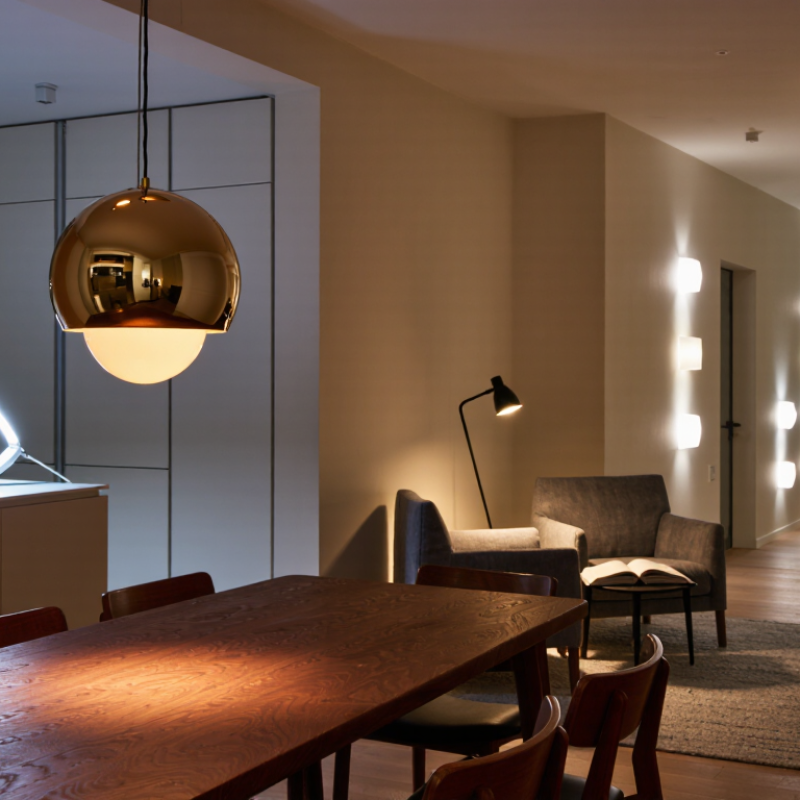
Lighting can change how a home feels before anyone notices the furniture. A warm pendant above a wooden dining table creates intimacy, while a cool task lamp sharpens a kitchen workspace. For home decor buyers, the right fixture is more than a decorative purchase. It influences comfort, color accuracy, energy use, and daily routines.

This guide explores 10 practical ideas for Creative Lighting For Home Decor. Each tip connects visual appeal with real purchasing decisions. We will consider scale, placement, brightness, color temperature, bulb quality, and material finishes. A small reading corner may need focused light, not an oversized chandelier. A dark hallway may benefit from layered wall lighting instead of one harsh ceiling fixture. Details matter.

Buyers should also check product specifications and reputable safety certifications. Look for suitable wattage, compatible bulbs, reliable wiring, and clear installation guidance. A beautiful lamp that overheats or casts unflattering shadows is not a successful choice. Not every trend deserves a place in your home. That can be easy to forget.

Personal taste still leads the process. Some rooms feel better with imperfect symmetry, softer shadows, or a slightly unusual shade. I have found that lighting often looks different in a showroom than beside your own sofa. Test the atmosphere at night, then question your first impression. The best result usually balances mood, function, and long-term practicality. Tiny changes can matter.
10 Creative Lighting Tips for Home Decor Buyers

Define Lighting Goals Using the DOE’s 75% LED Energy-Saving Benchmark

10 Creative Lighting Tips for Home Decor Buyers

Define your lighting goals with the U.S. Department of Energy’s 75% benchmark. LED products use at least 75% less energy than incandescent lamps. They can also last up to 25 times longer, according to the DOE Energy Saver program. Start with the room’s purpose, not its appearance. A reading corner needs focused light. A hallway needs softer, wider coverage. Check lumens for brightness, watts for energy use, and color temperature for mood.

Use layered lighting to avoid a flat, showroom-like room. Combine ceiling illumination, wall washing, and a small table lamp near eye level. In a 20-square-meter living room, test one fixture before buying several. Shadows may look elegant on textured walls but harsh on a workspace.

Keep warm light near bedrooms and dining areas. Choose clearer light where people read, cook, or inspect fabrics.

The International Energy Agency identifies efficient lighting as an important household energy-saving measure, while the United Nations Environment Programme reports that buildings consume about 34% of global energy.

Do not assume every LED feels comfortable. Some flicker, glare, or respond poorly to dimmers. I have seen attractive fixtures make a room tiring after ten minutes. That matters.

Compare the product’s color-rendering rating, dimming compatibility, and expected life. A higher purchase price can still reduce replacement waste and electricity costs. Yet calculations are imperfect; usage hours and local electricity rates change the result. Test before committing.

Layer Ambient, Task, and Accent Lighting for Balanced Room Illumination

10 Creative Lighting Tips for Home Decor Buyers

Layering ambient, task, and accent lighting creates a room that feels comfortable and purposeful. Ambient lighting provides the general glow, such as a ceiling fixture or softly diffused floor lamp. Task lighting supports specific activities, including reading, cooking, or working at a desk. Accent lighting adds depth by highlighting artwork, shelves, textured walls, or indoor plants.

Tips: Start with the room’s daily use, not the fixture’s appearance. Place a reading lamp beside the chair, not across the room. Use warm bulbs in living areas for a calmer atmosphere. In kitchens, choose brighter task lighting over counters. Dimmers help adjust the mood throughout the day. Keep cables controlled and away from walking paths.

I often test lighting at night before buying additional pieces. A beautiful lamp can still create harsh shadows or glare. Reflective surfaces may make a small room feel brighter, but too many can feel cold. This is where my own planning sometimes fails. I have underestimated dark corners and overestimated ceiling light. A small accent lamp fixed the imbalance. Measure the room, check socket locations, and consider bulb color carefully. Consistent light levels usually feel more natural than one very bright source.

10 Creative Lighting Tips for Home Decor Buyers - Layer Ambient, Task, and Accent Lighting for Balanced Room Illumination

Practical residential lighting guidance. Illuminance figures are typical planning ranges and should be adjusted for room size, finishes, age, and personal preference.
No. Lighting Tip Primary Layer Typical Target Recommended Specification Placement or Buying Consideration Expected Result
1 Start with a dimmable ambient layer Ambient 100–200 lux for general living areas Dimmable ceiling fixture or multiple recessed fixtures; 2,700–3,000 K for a warm residential atmosphere Choose a fixture with even diffusion and enough lumen output for the room rather than relying on one harsh central lamp. Flexible brightness, fewer dark corners, and a more comfortable base level.
2 Use task lighting where work happens Task 300–500 lux for reading, desk work, or food preparation Adjustable desk lamp, under-cabinet light, or focused pendant; 3,000–4,000 K depending on preference Position the light to the side or behind the non-dominant hand to reduce shadows and glare. Improved visibility and less eye strain during close-up activities.
3 Add accent lighting to create visual focus Accent Approximately 3:1 accent-to-background contrast Adjustable spotlights, picture lights, or directional wall washers; beam angles commonly 15°–40° Aim at artwork, shelving, plants, or architectural features while avoiding direct reflection into seating areas. More depth, hierarchy, and personality without increasing overall brightness.
4 Mix fixtures at different heights Layered At least three visual levels in larger rooms Combine ceiling, wall, table, floor, or pendant fixtures with compatible color temperatures Use low-level lamps near seating and taller fixtures near walls to distribute light across the vertical field of view. A room feels more balanced, spacious, and visually interesting.
5 Choose high color-rendering light sources All layers CRI 80+ for general use; CRI 90+ where color accuracy matters Look for published CRI values and, when available, R9 performance for stronger red rendering Prioritize higher color rendering in kitchens, dressing areas, art displays, and bathrooms. Furniture, textiles, artwork, and skin tones appear more natural.
6 Keep color temperature consistent by zone Ambient and task Use one dominant CCT within each connected area 2,700–3,000 K for relaxing spaces; 3,000–4,000 K for work-focused spaces Avoid placing visibly warm and cool lamps side by side unless the contrast is intentional. A cohesive look with fewer distracting color shifts.
7 Use wall washing to make small rooms feel larger Ambient or accent Even vertical illumination with minimal hot spots Wide-beam wall washers or concealed linear lighting with diffused lenses Light pale walls, curtains, or reflective surfaces instead of aiming every fixture at the floor. Brighter-looking walls and a greater perception of openness.
8 Control glare before increasing brightness All layers Comfortable viewing with no direct view of bare high-intensity LEDs Choose frosted diffusers, shielding, baffles, or fixtures with a suitable cut-off angle Check the fixture from seated and standing positions before final installation. Less squinting, reflected glare, and visual fatigue.
9 Plan lighting controls by activity Layered Separate control for ambient, task, and accent fixtures Use dimmers, independent switches, timers, or compatible smart controls Create scenes such as “reading,” “dining,” “cleaning,” and “relaxing” rather than using one fixed setting. Better energy efficiency and fast adaptation throughout the day.
10 Use reflective finishes strategically Ambient and accent Increase perceived brightness without adding excessive fixtures Pair indirect light with light-colored walls, pale ceilings, glass, or satin finishes Avoid highly glossy surfaces directly opposite exposed lamps, where reflections can create glare. More efficient light distribution and a polished, layered appearance.

Select 2700–3000K LEDs to Create Comfortable Residential Atmospheres

10 Creative Lighting Tips for Home Decor Buyers

Choose LEDs rated between 2700K and 3000K for a comfortable residential atmosphere. Their warm glow suits bedrooms, living rooms, dining areas, and reading corners. A 2700K lamp feels softer, while 3000K gives walls and furniture slightly clearer definition. View both temperatures beside your flooring and curtains before purchasing.

Layer the light carefully. Combine ceiling fixtures, wall lamps, table lamps, and concealed strips. Keep brighter sources near work areas, such as kitchen counters or desks. Use dimmers when possible, because one fixed brightness rarely fits every evening. Check the color rendering index, preferably 80 or higher, so wood, fabric, and skin tones appear natural. Read the full lighting specification, not just the package photograph.

I once chose a warm lamp that looked elegant but made blue-gray walls appear dull. The room felt smaller. That mistake taught me to test light at night, not only in a bright showroom. Buy one sample first. Place it near the sofa, then inspect shadows on the floor and nearby artwork. Avoid exposed bulbs at eye level. Frosted covers usually reduce glare. A narrow beam can highlight a plant, while a wider beam spreads calm light across a seating area. Some rooms may need 3000K near mirrors, although 2700K often feels better beside a bed. Selection is rarely perfect on the first attempt.

Prioritize CRI 90+ Fixtures for More Accurate Color in Home Interiors

10 Creative Lighting Tips for Home Decor Buyers

Prioritize CRI 90+ fixtures when accurate color matters in your home. CRI, or Color Rendering Index, measures how naturally light reveals colors. A high-CRI fixture can make wooden cabinets look warmer and fabrics appear more truthful. This matters in kitchens, dressing areas, art corners, and bathrooms. Under poor lighting, white walls may look gray, while fresh food can appear dull. Testing samples at home is useful because wall paint, flooring, and daylight affect the final result.

Tips: Ask for CRI 90 or higher. Check the R9 value for richer reds. Compare fabric samples under the fixture. Observe the light at night, not only in a showroom. Avoid choosing by brightness alone.

CRI is important, but it is not the entire decision. Color temperature also shapes the room’s mood. A warm 2700K light may suit a bedroom, while 3000K can feel cleaner in a kitchen. Flicker, glare, beam spread, and dimming performance deserve attention too. I once treated CRI as the complete answer. That was too simple. A high rating cannot fix harsh glare or badly placed fixtures. Look at the details. Reliable lighting decisions come from comparing specifications with real surfaces. Bring a small paint card, wood sample, or textile swatch when shopping. Some colors may still shift slightly, especially deep reds and saturated blues. That imperfection is normal, but it should be understood before installation.

Compare Lumens, Wattage, and 25-Year LED Lifespans Before Buying

When choosing decorative lighting, compare lumens before wattage. Lumens measure visible brightness; watts measure electricity consumed. A 900-lumen LED may use about 10 watts, while an older bulb needs far more. The numbers are not interchangeable. I check the package, then imagine the room at night. A reading corner may need 800 to 1,200 lumens, while a hallway can feel comfortable with less. Too much brightness can make a small room feel harsh. Start with the task.

A claimed 25-year LED lifespan usually assumes several hours of daily use and suitable operating conditions. Heat, frequent switching, poor ventilation, and incompatible dimmers can shorten it. Treat the figure as a planning estimate, not a promise. Look for rated hours, color stability, dimming guidance, and a clear warranty. I prefer fixtures with replaceable drivers when practical, although they can cost more. That choice is less glamorous, but easier to maintain.

Creative results come from layering. Pair ceiling light with a shaded table lamp, wall wash, or discreet cabinet strip. Choose warm white light for bedrooms and living areas; cooler light can support detailed work. Check color rendering when displaying wood, fabric, or artwork. Narrow beams highlight shelves, while wide beams soften a dining table. Leave space around heat-producing fixtures. I once bought a beautiful fitting with insufficient light; the room looked elegant, but reading there was annoying. Measure twice. Then test the actual spread on the wall before installing several fixtures.

When comparing home lighting, brightness is measured in lumens, while wattage indicates energy use. This chart uses representative values for bulbs producing approximately 800 lumens. Estimated years are based on three hours of daily use; a 25,000-hour LED lasts about 23 years under this usage pattern.

FAQS

What does CRI mean in home lighting?

CRI measures how naturally a fixture reveals colors. Choose CRI 90 or higher for interiors. Wooden cabinets may look warmer and fabrics more accurate. I once relied on brightness alone. That was a mistake.

Where is high CRI lighting especially useful?

Use it in kitchens, dressing areas, bathrooms, and art corners. It helps fresh food, skin tones, paint, and textiles appear more truthful. White walls can still look gray under poor lighting.

Should I check R9 as well as CRI?

Yes, especially for rich reds and warm materials. Ask for the R9 value when comparing fixtures. Deep reds may still shift slightly. That is normal, but worth noticing.

How can I test a fixture before installation?

Bring a paint card, wood sample, or textile swatch. Compare them under the fixture at home if possible. Check the result at night. Showrooms can mislead.

What is the difference between lumens and wattage?

Lumens measure visible brightness. Watts measure electricity consumption. A 900-lumen LED may use about 10 watts. The numbers are not interchangeable.

How many lumens might a room need?

A reading corner may need 800 to 1,200 lumens. A hallway usually needs less. Start with the task, then consider room size. Excess brightness can feel harsh.

Can a 25-year LED lifespan be trusted completely?

Treat it as an estimate, not a promise. Heat, frequent switching, poor ventilation, and incompatible dimmers can shorten service life. Check rated hours, dimming guidance, and warranty details.

What other lighting details matter besides color accuracy?

Check color temperature, flicker, glare, beam spread, and dimming performance. Warm 2700K light suits many bedrooms. Around 3000K may feel cleaner in kitchens. High CRI cannot fix harsh glare.

How can layered lighting improve a room?

Combine ceiling lighting with a shaded table lamp, wall wash, or cabinet strip. Narrow beams highlight shelves. Wide beams soften a dining table. Test the spread before installing several fixtures.

What common buying mistake should I avoid?

Do not choose a beautiful fixture without checking actual light output. I once bought an elegant fitting that made reading annoying. Measure twice. Then test the wall spread.

Conclusion

Creative Lighting For Home Decor begins with clear goals for comfort, function, and energy efficiency. A practical benchmark is to consider LED solutions that can reduce lighting energy use by about 75% compared with older technologies. For a balanced room, combine ambient lighting for overall visibility, task lighting for focused activities, and accent lighting to highlight artwork, architectural details, or decorative objects. This layered approach creates depth while allowing each area to serve a specific purpose.

When choosing fixtures, select LEDs in the 2700–3000K range for a warm, welcoming residential atmosphere. A color rendering index of 90 or higher can help furniture, fabrics, wall colors, and artwork appear more natural and accurate. Before buying, compare lumens for brightness, wattage for energy demand, and expected lifespan, since quality LED fixtures may operate for up to 25 years under normal use. Evaluating these factors together helps home decor buyers make attractive, comfortable, and cost-conscious lighting decisions.

Isabella

Isabella

Isabella is a dedicated marketing professional with a sharp focus on driving brand growth and engagement through strategic content creation. With an extensive background in digital marketing, she combines her passion for storytelling with her keen understanding of industry trends to deliver......