 Splink Lighting
How to Achieve Effective Lighting Design for Commercial Spaces?
Effective lighting design is crucial in commercial spaces. It sets the mood and influences customer behavior. According to Robert H. Weller, a leading expert in Lighting Design For Commercial Spaces, “Lighting creates an experience that can drive both sales and satisfaction.” This insight emphasizes the profound impact lighting has on consumer engagement.
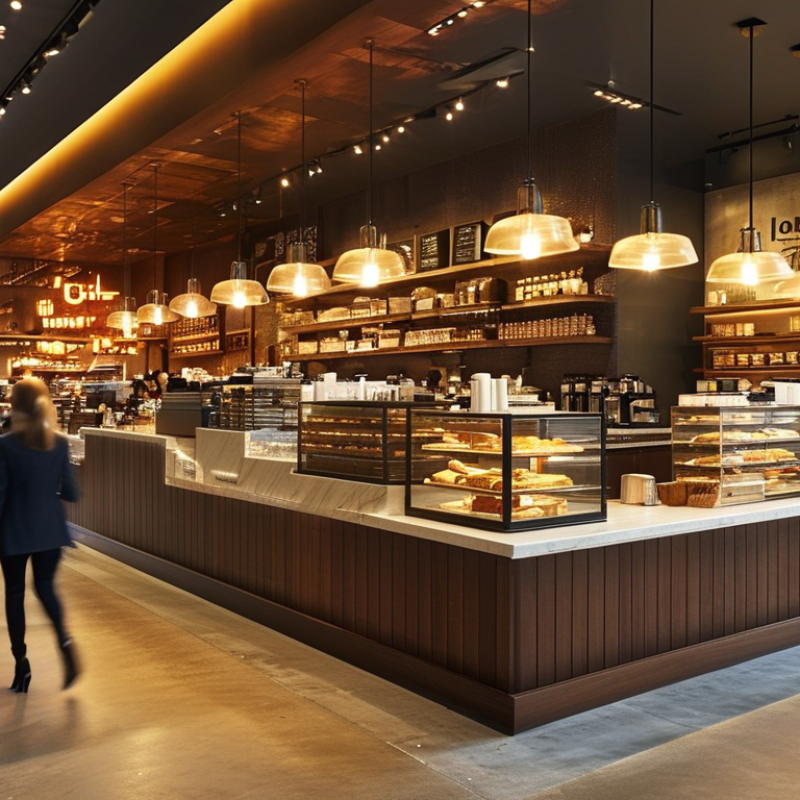
In retail environments, the right lighting can highlight products and enhance the shopping experience. For example, using warm tones in a café can create a cozy atmosphere. However, ineffective lighting can lead to fatigue and a lackluster experience, prompting reflection on design choices. Maintaining a balance between functionality and aesthetics is essential in this field.
Moreover, the challenges of adapting to different spaces require ongoing evaluation. Each commercial environment demands a tailored approach. Design should consider variables like layout and purpose. Therefore, constant learning and adaptation are vital in achieving effective lighting design for commercial spaces.
Principles of Lighting Design in Commercial Spaces
Lighting design in commercial spaces is a crucial element that influences both functionality and aesthetics. A well-lit environment enhances productivity and creates a welcoming atmosphere. For instance, effective lighting can direct attention to merchandise, guiding customers through retail spaces. Designers must consider the balance of natural and artificial light, ensuring neither overwhelms the other.
Understanding how different types of fixtures impact mood is essential. Soft, warm lights create comfort, while bright, cool tones stimulate energy. It's often challenging to find the right balance. Over-lighting can create glare, while too dim lighting may cause discomfort. Thoughtful placement of lights matters. Use task lighting for specific areas, like workstations, and ambient lighting to fill gaps.
Another important aspect is flexibility. Commercial spaces may host various events or functions. Adjustable lighting systems allow for these changes. It’s important to reflect on whether the chosen lighting truly meets the evolving needs of the space. Continual assessment may reveal the need for adjustments. Ultimately, the goal should be to create a cohesive, adaptable lighting scheme that enhances the overall experience.
FAQS
: Lighting design enhances both functionality and aesthetics. It improves productivity and creates welcoming environments for customers.
Ample natural light can boost productivity by 15%. It helps employees feel energized and focused.
Over-lighting can create glare. This can lead to discomfort for employees and customers.
Use shades or adjustable blinds to control natural light intensity. This helps maintain comfort and reduces glare.
Retail spaces require bright, even illumination. Accent lighting can highlight products and attract customer attention.
Commercial spaces host various events. Adjustable lighting systems allow for adaptations to meet changing needs.
A well-lit space leaves a better impression on customers. Proper lighting can enhance their overall experience.
Softer, warm lighting fosters relaxation. Different areas may need varied lighting levels for the best ambiance.
Relying solely on natural light can be problematic. It may not provide consistent illumination, especially on cloudy days.
Reflecting on user experiences helps refine choices. Adapting lighting based on feedback can enhance overall satisfaction.
Conclusion
Effective lighting design for commercial spaces is crucial for creating environments that enhance both customer experience and employee productivity. Key principles of lighting design include understanding the balance between natural and artificial light, ensuring that spaces are well-lit while providing a welcoming atmosphere. Incorporating techniques tailored to specific settings can optimize functionality, highlighting products in retail spaces, for example, while creating comfortable work areas in offices.
Additionally, energy-efficient lighting solutions play a significant role in sustainability and cost management, aligning with modern businesses' goals. The impact of lighting on customer behavior is profound; well-designed lighting can influence purchasing decisions and improve mood, demonstrating the essential role that thoughtful lighting design plays in commercial success.
