Top Energy Saving Lighting Techniques for 2026 Global Buyers?

Time:2026-06-13 Author:Aria
0%

In the evolving field of Energy Saving Lighting Techniques, 2026 presents a pivotal year for global buyers. Experts like Dr. Emily Grant, a leading researcher in sustainable lighting solutions, emphasize, “Innovative lighting techniques can significantly reduce energy consumption while enhancing quality.” This sentiment underscores the growing importance of efficient lighting strategies worldwide.

As energy costs rise and environmental concerns mount, adopting Energy Saving Lighting Techniques is more critical than ever. These techniques not only reduce costs but also improve overall lighting quality in various settings. Buyers must stay informed about state-of-the-art developments to optimize their investments. Utilizing LED technology, smart lighting controls, and daylight harvesting systems can yield substantial benefits.

However, challenges remain. Many buyers still hesitate to transition from traditional lighting. Concerns about initial costs and effectiveness linger. Addressing these issues head-on is essential for both manufacturers and consumers. The journey toward widespread adoption of energy-efficient lighting is ongoing and requires reflection and commitment from all stakeholders.
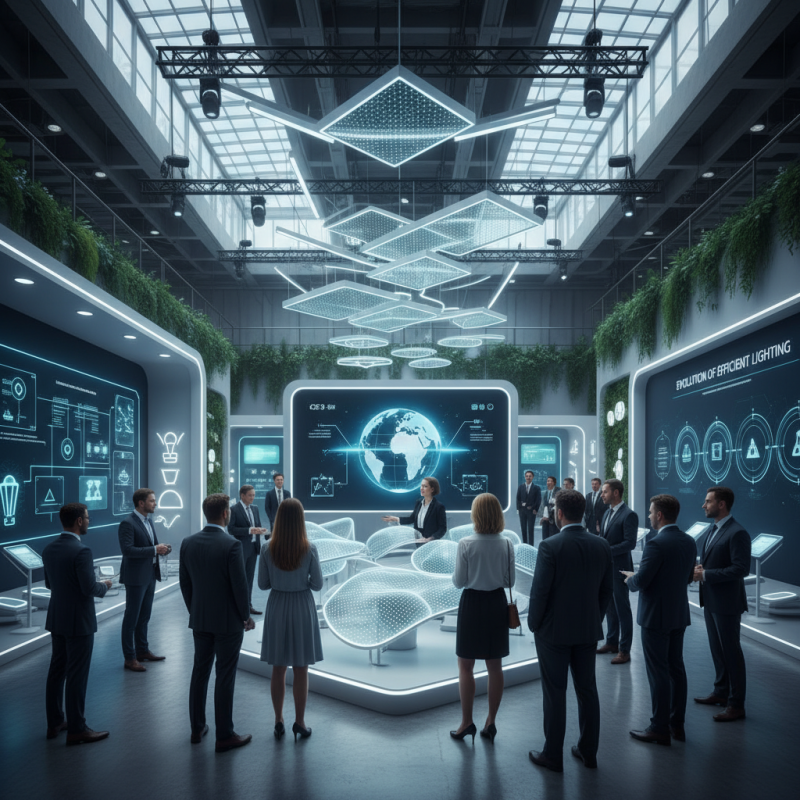
Top Energy Saving Lighting Techniques for 2026 Global Buyers?

Energy Efficient Lighting Technologies Emerging in 2026

As we look ahead to 2026, energy-efficient lighting technologies are set to revolutionize how we illuminate our spaces. One prominent method is the integration of smart sensors. These devices adjust lighting based on occupancy and natural light levels. This feature not only saves energy but also ensures that spaces are lit precisely when needed. It transforms traditional lighting into a responsive system.

Another emerging technology is the widespread adoption of organic light-emitting diodes (OLEDs). These thin, flexible panels offer high energy efficiency and exceptional color rendering. OLEDs provide soft, diffused light that enhances room ambiance. However, they might struggle in terms of longevity and initial cost. Users may need to weigh these factors carefully before making a decision.

Finally, daylight harvesting systems represent an innovative approach to energy savings. By using skylights and light tubes, buildings can better utilize natural light. While effective, these systems can sometimes lead to challenges in glare control. Striking a balance between energy savings and occupant comfort is crucial. Overall, these technologies promise significant advancements in energy-efficient lighting, yet they also raise questions about usability and practical application.

Innovative Materials for Sustainable Lighting Solutions

Innovative materials are transforming the lighting industry, making sustainability more achievable. In 2026, buyers are looking for solutions that not only save energy but also reduce carbon footprints. Advanced technologies, like organic light-emitting diodes (OLEDs), are leading the charge. These devices use less energy and last longer than traditional bulbs, reducing waste in landfills.

Another promising area is the use of bioplastics. These materials can replace conventional plastics used in lighting fixtures. Bioplastics are derived from renewable sources. They break down more easily in the environment. However, the challenge lies in production costs and scalability.

Recyclable metals are gaining attention too. Aluminum and steel have a high recycling rate. Using them reduces the need for new raw materials. Yet, sourcing these metals ethically remains a concern. Balancing cost, environmental impact, and supply chain ethics is essential. Each material comes with its pros and cons. The industry must adapt to these challenges for true sustainability in lighting.

Smart Lighting Controls and Automation Systems

Smart lighting controls and automation systems are critical for energy savings. Implementing intelligent technology helps manage lighting efficiently. These systems adjust brightness based on occupancy and natural light levels. This flexibility reduces energy waste and enhances comfort.


Tips: Invest in sensors for automatic adjustments. They detect movement and dim lights when rooms are empty. Using timers can also limit unnecessary usage, especially in commercial spaces. Another approach is to integrate smart switches that allow remote operation via mobile devices.


Real-time data is vital. Monitoring energy consumption helps identify patterns and inefficiencies. Many users overlook this, leading to lost savings. Reflecting on usage can reveal opportunities for improvement. Engaging in routine maintenance also ensures systems function optimally. This proactive behavior can make a significant difference.

Cost-Effective Strategies for Implementing Energy Savings

As the world increasingly focuses on sustainability, energy-efficient lighting has become essential for global buyers. Focusing on cost-effective strategies can lead to significant savings. Transitioning to LED lights offers a straightforward solution. These bulbs last longer and consume less power compared to traditional options. This shift can cut electricity bills by up to 80%.

Implementing smart lighting systems is another strategy. These systems automatically adjust light levels based on occupancy or daylight availability. This feature enhances comfort while minimizing wasted energy. However, initial setup costs can be daunting. It's crucial to assess long-term benefits against upfront investments.

Consideration of local regulations can guide smart choices. Many regions offer incentives for energy-efficient upgrades. This can offset costs and improve ROI over time. Exploring available subsidies may reveal overlooked options. However, as buyer needs evolve, remaining adaptable is vital. The effectiveness of strategies must be continuously evaluated to ensure optimal performance.

Top Energy Saving Lighting Techniques for 2026 Global Buyers

Technique Description Estimated Energy Savings (%) Initial Cost ($) Payback Period (years)
LED Lighting Energy-efficient lighting that lasts longer than traditional bulbs. 75% 5 2
Smart Lighting Controls Automated systems that adjust lighting based on occupancy. 30% 200 3
Daylight Harvesting Utilizing natural light to reduce reliance on electric lighting. 50% 150 4
High-Efficiency Ballasts Devices that regulate the current to fluorescent lamps. 20% 80 1.5
Motion Sensors Sensors that detect movement and automatically turn lights on/off. 40% 120 3

Environmental Impact and Benefits of Energy Efficient Lighting

As global awareness of climate change grows, efficient lighting plays a crucial role in reducing environmental impact. Energy-efficient lighting options decrease electricity consumption, which in turn lowers greenhouse gas emissions. A report indicates that switching to LED lighting can significantly cut energy use by up to 80%. This change not only benefits the environment but also helps consumers save money on energy bills.

Tips for adopting energy-efficient lighting include evaluating your current bulbs and considering newer technologies. Look for options that come with longer lifespans. Transitioning to smart lighting systems can enhance efficiency and convenience. Sensors can ensure lights are only on when needed, reducing unnecessary energy usage.

The benefits are clear, but implementation can be challenging. Some may hesitate due to upfront costs. However, the long-term savings typically outweigh these initial expenses. Additionally, educating yourself about the environmental impact can motivate you to make the switch. The positive effects on both your wallet and the planet make energy-efficient lighting a worthy investment.

FAQS

: What are innovative materials used in sustainable lighting?

: Innovative materials include OLEDs, bioplastics, and recyclable metals. They promote energy efficiency and reduce waste.

How do OLEDs contribute to sustainability?

OLEDs consume less energy and last longer than traditional bulbs, minimizing landfill waste.

What are the benefits of bioplastics in lighting?

Bioplastics are renewable and break down easily in the environment. They can replace conventional plastics.

What challenges do bioplastics face?

The production costs and scalability of bioplastics need addressing for wider adoption in lighting.

Why are recyclable metals important?

Metals like aluminum and steel are highly recyclable. They help reduce demand for new raw materials.

What ethical concerns exist in sourcing recyclable metals?

Ensuring ethical sourcing of metals remains a significant challenge for the lighting industry.

How does energy-efficient lighting impact the environment?

Energy-efficient lighting reduces electricity consumption, lowering greenhouse gas emissions significantly.

What savings can switching to LED lighting provide?

Switching to LED lighting may cut energy use by up to 80%, benefiting both the environment and your wallet.

What obstacles might one face when switching to energy-efficient lighting?

Upfront costs can be a barrier, but long-term savings often make switching worthwhile.

How can smart lighting systems improve efficiency?

Smart systems use sensors to ensure lights are only on when necessary, reducing energy waste.

Conclusion

The article "Top Energy Saving Lighting Techniques for 2026 Global Buyers" explores the advancements in energy-efficient lighting technologies anticipated to emerge in 2026. It highlights the role of innovative materials that contribute to sustainable lighting solutions, which are crucial for reducing energy consumption. Moreover, smart lighting controls and automation systems are discussed as integral components that enhance efficiency and user experience, allowing for greater control over energy usage in various settings.

Additionally, the article outlines cost-effective strategies for implementing these energy-saving lighting techniques, ensuring that consumers can benefit from both reduced energy bills and environmental sustainability. The environmental impact of adopting energy-efficient lighting is significant, as it not only lowers carbon footprints but also promotes long-term ecological benefits. Overall, these advancements in lighting technologies represent a crucial step towards a more sustainable future.

Aria

Aria

Aria is a dedicated marketing professional with a deep passion for innovative strategies and a keen understanding of our company's product offerings. With a wealth of experience in the industry, Aria excels at crafting engaging content that highlights the unique features and benefits of our......