Essential Lighting Safety Tips For Children Every Parent Should Know?

Time:2026-07-31 Author:Liam
0%

As parents, ensuring the safety of our children is a top priority, especially regarding their environment. One area that often goes overlooked is the safety of lighting in our homes. According to a report by the National Fire Protection Association (NFPA), nearly 45% of home fires occur due to faulty electrical equipment or wiring. This emphasizes the need for effective Lighting Safety Tips For Children.

Expert Karen Lopez, a certified lighting safety consultant, stresses the importance of awareness. She states, "Lighting should never be an afterthought. It's vital for both safety and comfort." Children are naturally curious and can easily reach for light fixtures or cords. Thus, implementing simple safety measures can greatly reduce risks.

While it can be easy to overlook, a few small adjustments go a long way. Use protective covers on outlets and avoid using extension cords in accessible areas. Also, consider the types of bulbs you use and their placement. Regularly check for any wear and tear in lighting fixtures to ensure a safe environment for kids. Remember, effective Lighting Safety Tips For Children can provide peace of mind and help prevent accidents.
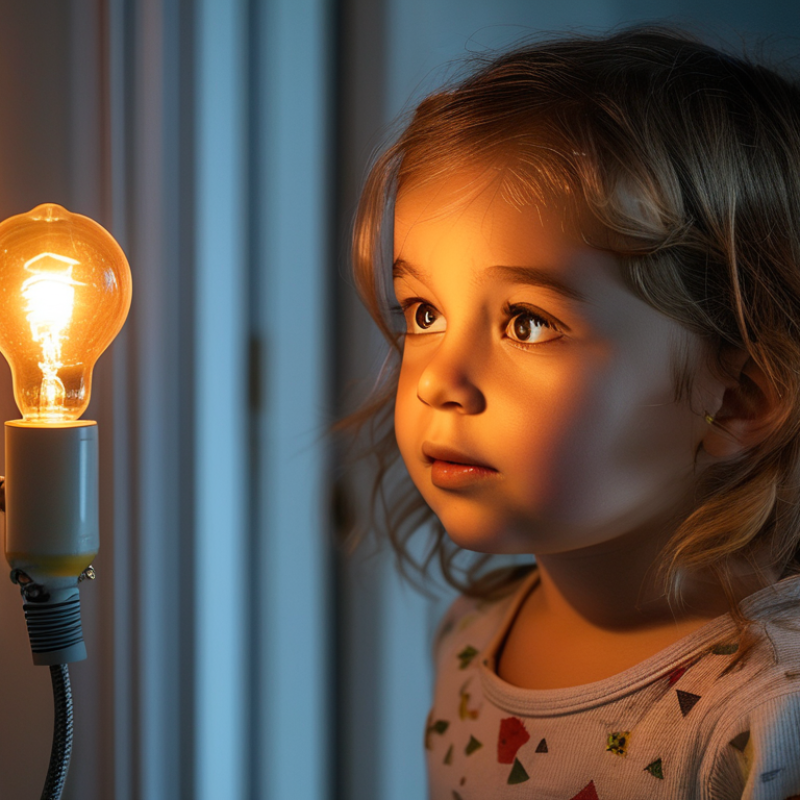
Essential Lighting Safety Tips For Children Every Parent Should Know?

Understanding the Risks Associated with Lighting for Children

Understanding the risks associated with lighting for children is crucial for every parent. Poor lighting can lead to accidents and injury. Many homes rely on decorative lighting that may not prioritize safety. Kids are naturally curious and might reach for light sources, resulting in burns or shocks.

Proper placement of lamps and light fixtures is vital. Keep them out of reach of small hands. Use guards on exposed bulbs. Installing dimmers can help create a safe environment, adapting the light intensity. Flashlights can serve as safer alternatives for children during play, offering both safety and fun.

Another key factor is to choose energy-efficient bulbs. They produce less heat compared to traditional ones. This reduces the risk of burns and keeps the environment cooler. Regularly check cords for wear and tear. Frayed wires can be a significant hazard.

Encourage children to respect the light sources they encounter. Teaching them about the potential dangers fosters awareness. Help them understand that not all lighting is safe for play. Investing time in education can create lasting habits for a safer home.

Key Safety Considerations for Proper Lighting in Children's Spaces

Proper lighting in children's spaces is crucial for their safety and development. The right lighting can prevent accidents and create a welcoming environment. Parents should consider both the functionality and comfort when choosing lights.

Using soft, diffused lighting helps to reduce harsh glares. Nightlights in bedrooms provide comfort during the night, but ensure they are positioned safely. Avoid placing them within reach of young children to prevent burns or spills. For play areas, think about adjustable lighting that can change intensity.

Be mindful of shadows. Strong overhead lights can create eerie shadows that frighten children. Instead, opt for layered lighting that includes floor lamps or wall sconces. This approach helps to minimize shadows and creates an inviting atmosphere.

Check cords and fixtures regularly. Loose wires can become a major hazard, so keep them secured and out of reach. Additionally, choose fixtures with sturdy bases to avoid tipping over. Safety is vital, and simple adjustments can lead to a secure environment for children to thrive.

Choosing Child-Friendly Lighting Fixtures and Bulbs

When selecting lighting for children's spaces, safety is paramount. The right fixtures and bulbs can significantly reduce hazards. According to the U.S. Consumer Product Safety Commission, poorly chosen lighting can lead to 25,000 home fires annually. Parents should opt for fixtures that are high enough to prevent accidental bumps or falls.

LED bulbs are a great choice. They run cooler and reduce the risk of burns or fire hazards. A report from the Department of Energy indicates that LEDs consume up to 75% less energy than traditional bulbs. This is a crucial detail for energy-conscious families. Always pick bulbs with lower watts for children's rooms to minimize heat production.

Consider soft, diffused lighting for nurseries and playrooms. This creates a calm environment while preventing eye strain. Too many bright lights can overwhelm children. Look for fixtures with rounded edges, avoiding sharp corners. Despite these advantages, keep in mind some fixtures may not be as durable. Regularly check for wear and tear to ensure ongoing safety.

Establishing Safe Lighting Practices at Home

Creating a safe lighting environment at home is crucial for protecting children. According to the National Safety Council, about 3,000 children are treated for burn injuries from contact with light sources each year. Proper lighting practices can significantly reduce this risk. Parents should regularly check all light fixtures and replace old bulbs to prevent overheating. Use bulbs with lower wattage in children’s spaces to limit excess heat.

Night lights can provide safety and comfort, but must be chosen carefully. Look for lights with cool-to-the-touch features. According to the American Academy of Pediatrics, safe lighting can help reduce nighttime accidents. Additionally, keep cords and plugs out of reach to prevent tripping hazards and electrical shocks. Children are naturally curious and may tug on cords, leading to dangerous situations.

Creating a lighting checklist may help parents remember essential practices. Regularly inspect lamps and outlets for damage. Discuss the importance of avoiding exposure to direct light sources with children. Simple changes, like using diffusers or avoiding overly bright lights, can help create a more controlled environment. Establishing these practices takes time and constant awareness. However, these efforts can lead to safer and healthier homes for children.

Essential Lighting Safety Tips For Children Every Parent Should Know

Tip Description Importance
Use LED Bulbs LED bulbs emit less heat and are safer for children's rooms. Reduces the risk of burns or fire hazards.
Childproof Outlets Install safety covers on electrical outlets to prevent shocks. Essential to prevent accidental electrocution.
Avoid Overloading Circuits Do not plug too many devices into one outlet. Lowers the risk of electrical fires.
Keep Cords Tidy Bundle loose cords to avoid tripping hazards. Prevents falls and injuries.
Install Nightlights Use nightlights in hallways and bathrooms to prevent falls at night. Enhances safety during nighttime visits.

Educating Children About Lighting Safety and Responsible Behavior

Educating children about lighting safety is crucial. Parents play a key role in shaping their understanding. Start by discussing how to use light fixtures safely. Teach them not to touch bulbs when they are hot. Explain why it’s important not to overload outlets with too many devices.

Encourage responsible behavior around lighting. Remind them to turn off lights when leaving a room. This helps save energy and reduces fire risks. Use positive reinforcement when they follow these rules. Share stories about accidents that occurred due to careless lighting use. But be gentle; don’t scare them too much.

Sometimes, kids may forget or ignore safety tips. It’s important to reflect on how to make learning fun. Create games that involve finding safe lighting practices at home. Make it a family activity to check if all lamps and bulbs are secure. By actively engaging children, you help reinforce these important lessons while ensuring their safety.

FAQS

: Why is safety important when choosing lighting for children’s areas?

: Safety is crucial because poorly chosen lighting can cause accidents, including fires.

What type of bulbs is recommended for children's rooms?

LED bulbs are recommended since they are cooler and energy-efficient, reducing fire hazards.

How can parents create a calm lighting environment for children?

Use soft, diffused lighting in spaces like nurseries to minimize eye strain and overwhelm.

What practices ensure safe lighting in homes?

Regularly check fixtures, use lower wattage bulbs, and replace old bulbs to prevent overheating.

Are night lights safe for children?

Yes, but choose ones that are cool-to-the-touch to prevent burns and accidents.

How can parents involve children in lighting safety?

Discuss safety rules, create games around safe lighting, and inspect fixtures together.

What should parents think about when using lighting fixtures?

Select fixtures without sharp corners and regularly check for durability and wear.

How can simple changes improve lighting safety?

Use diffusers and avoid bright lights to create a controlled environment.

What happens if children ignore safety tips?

Reflect on engaging ways to reinforce learning, making it fun to remember safety practices.

How can positive reinforcement help teach lighting safety?

Reward children for following safety rules, creating a sense of responsibility about lighting use.

Conclusion

Ensuring the safety of children around lighting is crucial for parents, and following essential lighting safety tips for children can significantly reduce risks. Understanding the dangers associated with different lighting sources, such as overheating bulbs or exposed wires, is the first step in creating a secure environment. Key safety considerations include using appropriate fixtures to prevent accidents and selecting bulbs that are child-friendly, such as those with cool temperatures and sturdy designs.

Furthermore, establishing safe lighting practices at home is vital. Parents should ensure that lights are out of reach and teach their children about the importance of respecting electrical devices. Educating children about responsible behavior around lighting can empower them to make safe choices. By adhering to these guidelines, parents can create a safe and welcoming space where children can thrive without the hazards associated with improper lighting.

Liam

Liam

Liam is a dedicated marketing professional with a profound expertise in the industry, where he excels at highlighting the unique advantages of our core products. With a keen understanding of market trends and consumer needs, Liam frequently updates our company’s professional blog, providing......