LED vs Traditional Lighting Which Is More Cost Effective?

Time:2026-05-28 Author:Ethan
0%

When considering the cost-effectiveness of lighting options, the "LED Vs Traditional Lighting Comparison" is crucial. Experts argue that LED lighting offers significant long-term savings. Dr. Maria Thompson, a renowned lighting specialist, once stated, “The initial investment in LEDs pays off through lower energy bills and reduced maintenance costs.”

Traditional lighting often requires frequent bulb replacements. This adds to ongoing expenses that many do not consider upfront. In contrast, LEDs boast a longer lifespan, often exceeding 25,000 hours. This durability translates to fewer replacements and less waste.

However, some may still be hesitant. The initial cost of LED fixtures can deter consumers. Yet, it’s essential to evaluate the long-term benefits. Investing in LEDs not only conserves energy but also promotes sustainability. The choice between these two lighting technologies goes beyond mere expense; it reflects an understanding of overall value and environmental impact.
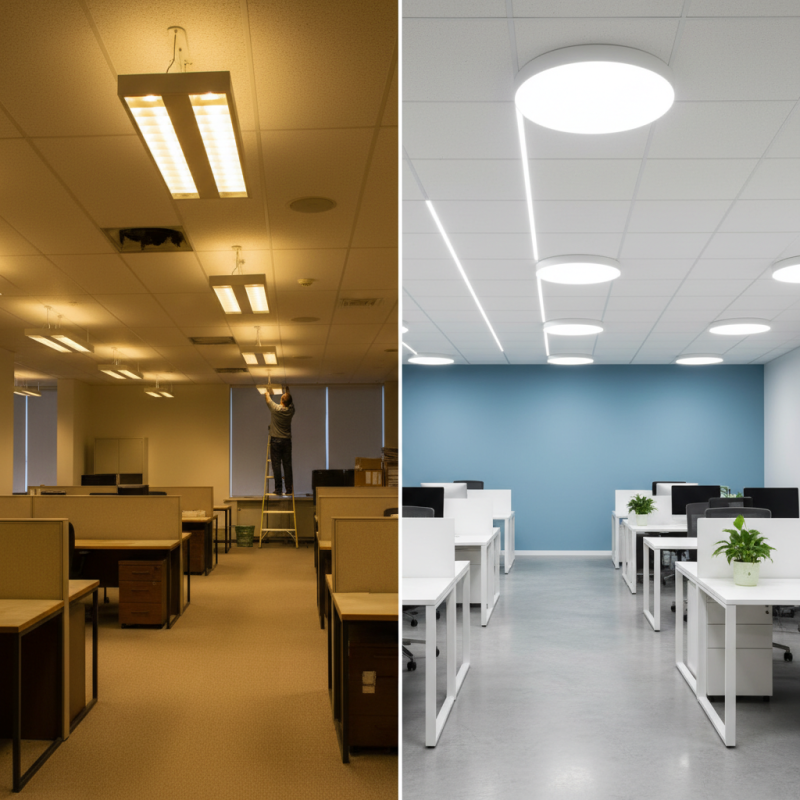
LED vs Traditional Lighting Which Is More Cost Effective?

Comparison of Energy Consumption: LED vs Traditional Lighting

When comparing energy consumption between LED and traditional lighting, the differences are striking. LED lights use up to 80% less energy than incandescent bulbs. A 10-watt LED can produce the same brightness as a 60-watt incandescent. This significant reduction in energy usage translates to lower electricity bills for homeowners and businesses alike.

Traditional lighting technologies often suffer from inefficiencies. They convert only a fraction of energy into light, wasting power as heat. This heat can contribute to higher cooling costs in warmer months. In contrast, LEDs remain cooler, helping to maintain a stable environment without overworking air conditioning systems. These factors underscore the importance of considering energy consumption when selecting lighting options.

However, there are challenges with LEDs. Initial costs can be higher than traditional bulbs. Some users may experience issues with color rendering or compatibility with existing fixtures. It's essential to weigh these factors against long-term savings. Regular assessments of lighting needs can help optimize choices and maximize energy efficiency in both residential and commercial settings.

LED vs Traditional Lighting: Which Is More Cost Effective?

Lighting Type Wattage (Watts) Lifespan (hours) Annual Energy Cost ($) Total Cost Over 10 Years ($)
LED 10 25,000 12 120
Incandescent 60 1,000 72 720
CFL 15 10,000 18 180
Halogen 50 2,000 60 600

Initial Costs: Purchase Price of LED and Traditional Lights

When comparing the initial costs of LED and traditional lights, there are clear differences. LED lights generally have a higher upfront purchase price. This can deter some consumers. However, the decision should consider long-term savings rather than just initial expenditure.

Traditional incandescent bulbs may seem more affordable at first glance. They usually cost less per unit. Yet, they have a shorter lifespan and higher energy consumption. For instance, an incandescent bulb may last about 1,000 hours, while an LED bulb can last over 25,000 hours. This vast difference highlights the potential hidden costs of traditional lighting.

On the flip side, the initial cost of LEDs reflects their advanced technology. Innovations lead to lower energy consumption and longer lifespans. People often overlook these attributes. Learning about energy efficiency can raise awareness of long-term benefits. Therefore, while the upfront price of LEDs can be daunting, their value may not be immediately apparent. Understanding this can shift perspectives on lighting investments.

Long-Term Savings: Maintenance and Replacement Costs Analysis

When considering maintenance costs, LED lighting stands out. The lifespan of LED lights is significantly longer than traditional options. LEDs can last up to 25,000 hours, while traditional bulbs often last about 1,000 hours. This means you will change LEDs far less frequently. Each replacement adds up in both time and money.


Moreover, LED bulbs consume less energy. Lower energy use translates to smaller electricity bills. Over time, these savings can be substantial. However, initial costs for LEDs may be higher. This can make some hesitant. They question whether it's worth the investment. Despite this, the long-term savings are often undeniable.


Maintenance needs for traditional lighting are more demanding. Frequent bulb replacements can lead to additional labor costs. This is especially true in large spaces. Each change also runs the risk of requiring specialized tools or safety measures. Though the choice may seem straightforward, there are layers to consider. In the end, examining these costs closely reveals the true value of making the switch to LED lighting.

Environmental Impact: Sustainability of LED vs Traditional Lighting

When evaluating the environmental impact of LED versus traditional lighting, several factors come into play. According to a report by the U.S. Department of Energy, LEDs use at least 75% less energy than incandescent lighting. This significant energy conservation helps reduce greenhouse gas emissions over time. Additionally, switching to LED can lead to substantial reductions in energy bills, making it financially viable for consumers and businesses alike.

The sustainability aspect of LED lighting is compelling. LEDs last significantly longer, often exceeding 25,000 hours. In contrast, traditional bulbs may last only about 1,000 hours. This longevity means fewer bulbs are manufactured, resulting in less waste. A study from the National Renewable Energy Laboratory highlights that widespread LED adoption could cut electricity consumption for lighting by nearly 50% by 2030. However, one should consider the environmental implications of LED manufacturing and disposal, which require rare materials.

Despite the benefits, LEDs are not without their challenges. The recycling of LED products is complex due to their components. Awareness about proper disposal methods is crucial. Some consumers may overlook the environmental ramifications associated with broken or non-functioning LED lights. As we transition to more sustainable practices, these considerations cannot be ignored. The path to illumination is illuminated with both opportunities and pitfalls.

Performance and Quality: Brightness and Lifespan Comparison

When comparing LED and traditional lighting, brightness and lifespan reveal significant differences. LEDs produce a higher lumen output per watt than traditional bulbs. Reports indicate that LEDs can reach around 100 lumens per watt, while incandescent bulbs typically offer only 10-17 lumens per watt. This efficiency not only makes LEDs brighter but also reduces energy consumption.

Lifespan is another crucial factor. LED lights last up to 25,000 hours, compared to approximately 1,000 hours for traditional incandescent bulbs. This longevity means fewer replacements and lower maintenance costs. The Department of Energy estimates that switching to LED lighting can save over $300 in electricity costs over its lifetime.

However, there are challenges with LED lighting. The initial upfront cost is higher. Consumers may hesitate to invest due to initial expenses. Additionally, some low-quality LEDs can underperform or fail prematurely. It is vital to look for reputable sources and ensure quality. Without proper research, the savings from LED lights might not meet expectations.

FAQS

: What are the initial costs of LED lights compared to traditional lights?

: LED lights have higher upfront costs but offer long-term savings. Traditional bulbs are cheaper, yet cost more over time due to shorter lifespans.

How long do LED lights last compared to incandescent bulbs?

LED lights can last over 25,000 hours, while incandescent bulbs last about 1,000 hours. This means fewer replacements are needed.

What is the environmental impact of using LED lights?

LED lights use 75% less energy than incandescent ones, reducing greenhouse gas emissions and lowering energy bills.

Are there any challenges associated with LED lighting?

Yes, the initial cost is higher. Poor-quality LEDs may underperform or fail, impacting savings. Research is essential before buying.

How does brightness compare between LED and traditional lights?

LEDs produce around 100 lumens per watt. Incandescent bulbs provide only 10-17 lumens per watt, making LEDs much brighter.

What should consumers consider about LED disposal?

LED recycling is complex due to their components. Proper disposal methods are crucial to avoid environmental issues.

Why might some consumers hesitate to switch to LED lighting?

The upfront cost can be discouraging, even with long-term savings. Many overlook the benefits of energy efficiency.

How can the longevity of LED lights benefit businesses?

Fewer replacements mean lower maintenance costs. Businesses can save significantly on electricity with LEDs over time.

What material challenges exist with LED manufacturing?

LEDs require rare materials for their production. This aspect poses sustainability concerns that should be considered.

Is LED lighting always the best option?

While LEDs have many advantages, potential underperformance and initial costs are factors to weigh before deciding.

Conclusion

The "LED vs Traditional Lighting Comparison" highlights the significant differences in energy consumption, initial costs, long-term savings, environmental impact, and performance. LED lighting is known for its lower energy consumption, which translates into considerable savings over time compared to traditional lighting options. Although the initial purchase price of LED bulbs may be higher, their longer lifespan and reduced maintenance costs ultimately lead to more economical choices in the long run.

Additionally, the analysis encompasses the sustainability aspect, where LED lighting demonstrates a smaller carbon footprint and less environmental impact than traditional lighting systems. In terms of performance, LEDs generally provide better brightness levels and longevity, making them a favorable option for various applications. Overall, the comparison underscores the advantages of LED lighting, both economically and environmentally.

Ethan

Ethan

Ethan is a seasoned marketing professional with a deep expertise in our company's innovative product line. With a passion for sharing knowledge and insights, he takes the lead in regularly updating our corporate blog, where he explores industry trends, product features, and effective marketing......