In 2026, the importance of effective lighting for home office productivity cannot be overstated. With more people working remotely, creating the right atmosphere is essential. Well-designed lighting can boost focus and enhance mood. Poorly lit spaces can lead to distractions and fatigue.
Choosing the right fixtures and colors can have a profound impact on daily productivity. Soft, natural light mimics daylight and can reduce eye strain. Task lighting is crucial for intense work sessions. However, it can be challenging to find a balance.
While some prefer bright, white lights, others may thrive in softer hues. Experimentation is key. The goal is to find what works best personally while maintaining a professional feel. This year, consider investing in adjustable fixtures or smart lighting. Flexibility can lead to unexpected improvements in work efficiency. By exploring innovative lighting for home office productivity, everyone can create a space that inspires and motivates.
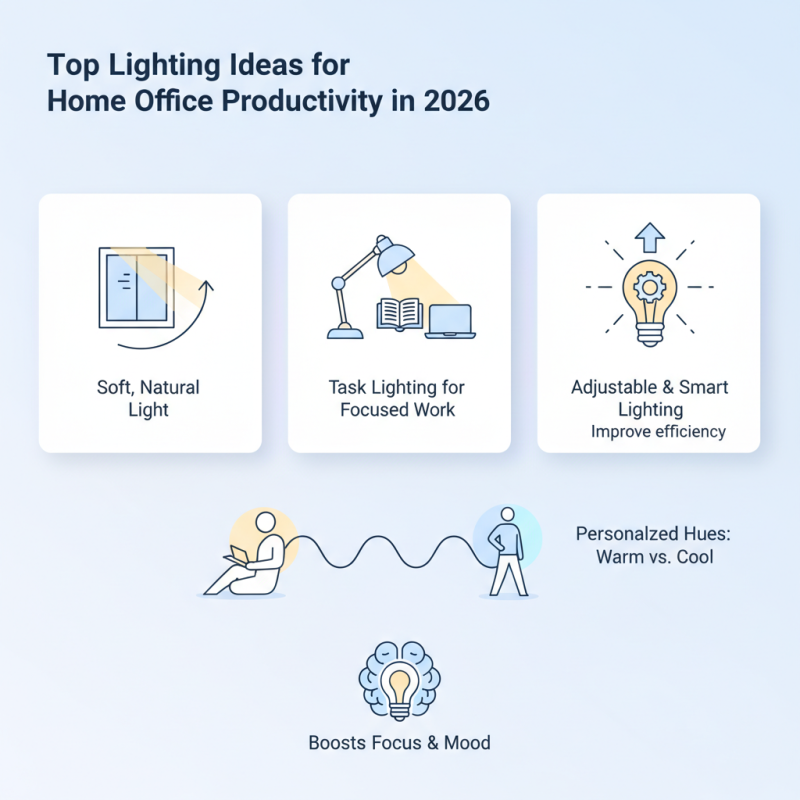
Creating a productive home office requires the right lighting. In 2026, trends focus on natural light and human-centric designs. Adjustable lighting fixtures will be crucial in this evolving workspace. You want to foster creativity and maintain energy.
Tips: Use natural light as much as possible. Position your desk near windows. This connection to the outside can boost mood and focus. If sunlight is limited, LED fixtures that mimic daylight can uplift your space. These setups reduce eye strain and enhance concentration.
Flexibility in your lighting design is key. Smart bulbs allow you to adjust brightness and color temperature. Warm lighting can create a cozy atmosphere for brainstorming. However, cooler tones might be ideal for tasks requiring focus. Experiment with different settings to find the optimal balance.
Natural light plays a vital role in enhancing productivity in home office settings. Studies show that exposure to daylight can boost mood, energy levels, and focus. Workers in well-lit environments report a 15% increase in productivity. This statistic highlights the direct correlation between natural light and work efficiency.
However, not everyone has access to abundant sunlight. Many find their productivity wanes in dim spaces. This deficiency can lead to fatigue and lack of motivation over time. To combat this, consider rearranging your workspace. Position your desk near windows to maximize light exposure.
Additionally, adding mirrors can amplify natural light. They reflect both light and create a sense of openness. Even simple adjustments can transform your workspace. Thoughtful placement of furniture and décor matters. Each adjustment brings a unique challenge, yet the potential benefits are substantial. Engaging with these changes can lead to improved work habits and well-being.
| Lighting Type | Impact on Productivity (%) | Best Use Time | User Preference |
|---|---|---|---|
| Natural Light | 20-30% | Morning and Afternoon | 85% prefer |
| LED Task Lighting | 15-25% | All Day | 70% prefer |
| Smart Lighting Systems | 10-20% | Variable | 65% prefer |
| Ambient Lighting | 5-15% | Evening | 55% prefer |
When designing a home office, lighting plays a crucial role in enhancing productivity and mood. Recent studies suggest that optimal color temperature significantly affects how we work. The ideal range for home office lighting is between 4000K and 5000K, mimicking natural daylight. According to the American Lighting Association, this color temperature can improve alertness and focus by up to 25%.
Moreover, exposure to cooler daylight tones can reduce eye strain. A report from the International Journal of Industrial Ergonomics indicates that employees working in environments with proper lighting reported fewer fatigue symptoms. However, achieving the right balance is essential. Too much cool light can lead to feelings of anxiety or discomfort, making the space uninviting.
Consider incorporating adjustable lighting solutions. This allows customization based on personal preferences and time of day. Warm light might be more suitable for late afternoons, and brighter, cooler light during peak work hours. Misjudging these aspects can lead to reduced efficiency, showing that thoughtful planning is vital. Creating the right lighting environment in a home office is as much about comfort as it is about productivity.
Creating an inspiring workspace requires thoughtful lighting choices. Smart lighting can transform your home office into a hub of productivity. Adjustable brightness allows you to tailor the lighting to your mood and tasks. This flexibility can enhance focus during work hours and spark creativity during brainstorming sessions.
Consider integrating smart lighting solutions that mimic natural light patterns. These lights can change throughout the day, helping to regulate your circadian rhythm. A warm glow in the morning can energize you, while a cooler, brighter light in the afternoon can keep you alert. However, it’s essential to find the right balance; too much harsh lighting can lead to fatigue and distraction.
You might also want to explore color-changing bulbs. They can create an environment that inspires different emotions and levels of creativity. Experimenting with different colors can lead to unexpected insights, but be cautious. Overly vibrant colors may be distracting. Monitoring your productivity levels with various lighting setups will help you discover what truly works for you. Remember, the goal is to create a space that reflects both your needs and your unique work style.
Creating an energy-efficient home office requires thoughtful lighting choices. Natural light should be maximized when possible. Use sheer curtains to diffuse harsh sunlight. This approach helps maintain a comfortable workspace. Daylight can enhance mood and focus, promoting productivity.
For artificial lighting, LED options are a solid choice. They consume less energy and last longer than traditional bulbs. Consider adjustable task lighting for specific areas. Desk lamps with dimmers allow for personalized brightness levels. This flexibility can reduce eye strain, catering to various tasks.
While energy-efficient lighting is crucial, it’s easy to overlook its nuances. Some may find LEDs too harsh. A balance exists between efficiency and comfort. Consider warmer color temperatures to create a more inviting atmosphere. Finding that sweet spot can enhance your workspace significantly. Explore different setups and reflect on what works best for you.
This chart illustrates the relationship between different lighting types and their impact on home office productivity in 2026, emphasizing energy-efficient choices that promote sustainability.
: Natural light can boost productivity by up to 15%. It enhances mood and energy levels.
In dim spaces, productivity can decline. Fatigue and low motivation are common issues.
Position your desk near windows. This can maximize sunlight access.
Adding mirrors can reflect light. Rearranging furniture can also create openness.
The optimal range is between 4000K and 5000K. It mimics natural daylight effectively.
Cooler daylight tones improve alertness and reduce eye strain. Balance is crucial.
Excessive cool light can spark anxiety and discomfort. It can make the space less inviting.
They allow customization for different times of the day, enhancing comfort and efficiency.
Warmer light is often better in the afternoon. It helps create a relaxed atmosphere.
Misjudging light types can reduce efficiency. The right environment supports both comfort and productivity.
In 2026, enhancing home office productivity through effective lighting is a key focus. The article explores the top lighting trends that support work efficiency, highlighting the importance of natural light. Research indicates that exposure to natural light significantly boosts mood and productivity, which is crucial for remote workers. Moreover, the optimal color temperature for home office lighting is discussed, revealing that a balance between warm and cool tones can enhance focus and creativity.
Additionally, the article delves into smart lighting solutions that adapt to user needs, allowing for customizable lighting environments that foster better concentration. Energy-efficient lighting choices are also emphasized, promoting a sustainable approach without sacrificing productivity. Overall, understanding these aspects of lighting for home office productivity will empower individuals to create an effective and inspiring work environment.

Splink Lighting