Creating the perfect ambiance in a living room can be transformative. Mood lighting ideas for living rooms play a crucial role in setting the tone. This space is where family gathers and guests feel welcomed. Therefore, choosing the right lighting is essential.
Consider how different light sources can influence your environment. Soft, warm glows can evoke feelings of comfort. Bright, cool lights may energize the space. Layering these lighting options creates depth and interest. Think about a mix of table lamps, floor lamps, and dimmable overhead lights.
Experimenting with light fixtures can lead to surprising results. An antique chandelier can add elegance. A modern LED strip can create a trendy vibe. Reflect on your personal style while incorporating these elements. Ultimately, mood lighting ideas for living rooms turn a simple room into a personal sanctuary. Embrace the journey of transforming your space with thoughtful lighting choices.
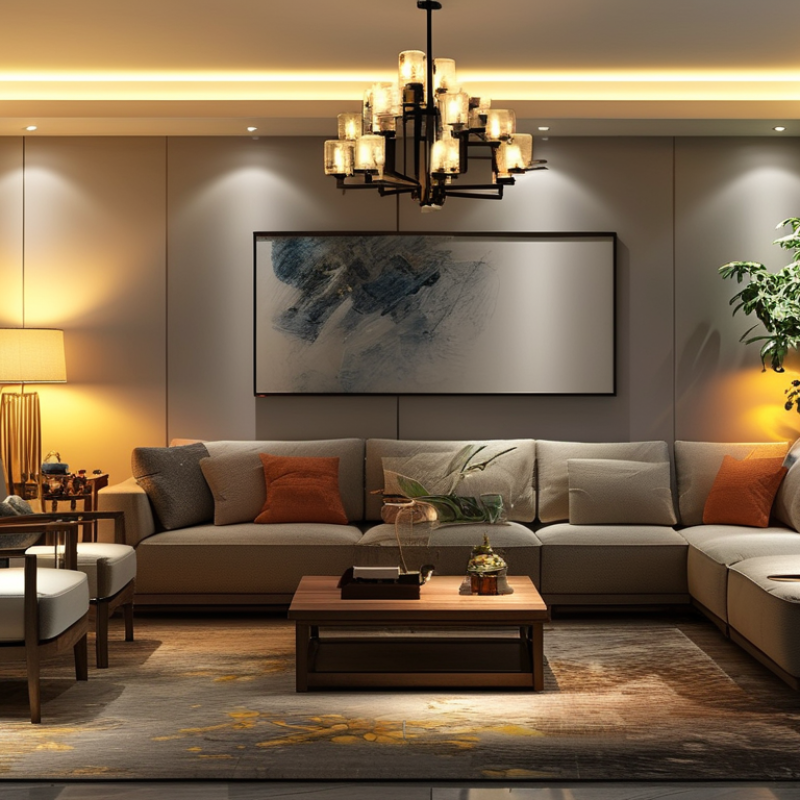
Creating the right mood in your living room is essential for comfort and relaxation. Mood lighting plays a crucial role in setting the ambiance. It influences our emotions and can change how we perceive the space. Soft, warm lights can create a cozy atmosphere, while cooler tones may energize the area. Using different light sources, such as floor lamps and wall sconces, can enhance this effect.
Adjusting brightness levels is another way to establish mood. Dimmers can offer flexibility for different occasions. Bright lights may be useful during daytime gatherings, while softer lighting works better for evening relaxation. However, achieving the perfect balance can be challenging. Too much light may feel harsh, while too little can be disorienting. Consider experimenting with placements to discover what feels right.
Venturing into layered lighting can provide depth and interest. Combining ambient, task, and accent lights can enrich the overall effect. Each layer serves a purpose, from reading in a comfy chair to highlighting art on the walls. Don’t hesitate to test various combinations. It’s okay to take your time finding the ideal setup. Adjusting lighting over time is part of creating that perfect living space.
Creating the right mood lighting in your living room can significantly enhance the atmosphere. The choice of lighting affects emotions and behavior in a space. According to the American Society of Interior Designers, proper lighting can improve mood by up to 30%. Understanding the types of mood lighting your living room needs is essential.
Ambient lighting provides general illumination. It ensures the space is well-lit for daily activities. Accent lighting draws attention to specific features or decor, enhancing the room's design. Task lighting focuses on areas where activities like reading or crafting occur. Using a combination of these types can create a layered effect.
Tips for mood lighting:
- Consider dimmable fixtures for flexibility.
- Install wall sconces for added depth.
- Use LED strips behind furniture for a subtle glow.
- Experiment with colored bulbs to match your mood.
Transforming your space requires thoughtful choices. The wrong lighting can create discomfort or even anxiety. Monitor how different lights affect how you feel in your space. Finding the right balance is key.
Creating a cozy atmosphere in your living room is all about mood lighting. Layering different light sources can transform the space effectively. Consider using floor lamps with dimmable options for versatility. These lamps can create a soft, warm glow, perfect for relaxing evenings. Table lamps also add character. Choose designs that complement your decor for added interest.
String lights are a fun and creative option for mood lighting. Drape them along shelves or windows for a whimsical touch. They provide a gentle illumination that brightens your space without overwhelming it. Candles can offer a romantic feel, but they require careful placement. Use candle holders to ensure safety while adding elegance.
Thinking outside the box can lead to interesting results. Incorporate smart bulbs that change colors based on your mood. Experiment with different settings to find what feels right. Adjusting lighting can be a form of self-expression. While it can be daunting, do not shy away from playing with shadows and highlights. This trial-and-error approach will lead to a more personalized space. Embrace the imperfections and enjoy the journey of discovering what works best for you.
Creating an inviting atmosphere in your living room often starts with the right combination of colors and textures. The interplay between different elements can transform your space dramatically. Consider using warm tones like soft oranges and muted reds alongside cool blues and greens. These contrasting colors enhance mood lighting while offering a balanced feel. Textured fabric shades and layered lamps can bring depth to your design. Light reflects differently on various surfaces, influencing how colors come alive.
Mixing multiple materials can further enhance the ambiance. For instance, a woven basket or a chunky knit throw adds tactile warmth to the room. Pairing sleek metallic fixtures with rustic wooden accents creates an intriguing juxtaposition. This contrast invites curiosity but requires careful consideration. Too many competing textures might overwhelm the space. Aim for harmony rather than chaos. Each texture should complement the color palette, fostering a cohesive atmosphere.
You might explore different lighting sources. Fairy lights, table lamps, and wall sconces provide layers of illumination. The positioning of these lights plays a crucial role. Placing lights at varying heights creates a dynamic visual experience. Be mindful of shadows; they can either enhance or detract from your desired mood. Refine your approach by experimenting until you find what truly resonates.
Creating the perfect mood lighting in your living room can enhance its ambiance. However, maintaining those lighting effects is vital for a lasting impact. Here are some maintenance tips to help you keep your space glowing.
Check your bulbs regularly. Flickering lights can ruin the mood. Different bulbs have varying lifespans. Keep an eye on their output. Replace burnt-out bulbs promptly to maintain consistency. Don’t forget to dust your light fixtures every few weeks. Dust can diminish brightness.
Consider a lighting control system. Dimmers can adjust brightness levels based on the time of day. It’s an effective way to change the atmosphere without much effort. Keep in mind that not all bulbs work well with dimmers. Test compatibility before making a purchase.
Finally, think about the placement of your lights. Arranging lights at different heights can create depth. Use floor lamps, wall sconces, and table lamps strategically. Experiment with various setups, and don’t hesitate to change them if they don’t feel right. Adjusting your lighting arrangement can make a significant difference.
: Mood lighting creates comfort and relaxation. It influences emotions and alters space perception.
Using dimmers allows flexibility for different occasions. Bright lights work for gatherings, while soft lights suit relaxation.
Layered lighting includes ambient, task, and accent lights. Each type fulfills a specific need in the space.
Warm tones paired with cool colors enhance mood. Textures also influence how colors appear under various lights.
Regularly check and replace burnt-out bulbs. Flickering lights can negatively impact your mood.
Mix materials like fabrics, woods, and metals. Harmony is key; too many textures can overwhelm the space.
Varying light heights creates visual interest. Be aware of shadows; they can enhance or detract from mood.
Dust light fixtures every few weeks. Dust build-up can reduce brightness and affect the atmosphere.
Not all bulbs are dimmer compatible. Check compatibility before purchasing to avoid issues.
Yes, experimenting with layouts is encouraged. Adjusting arrangements can greatly improve your living room's vibe.
Mood Lighting Ideas For Living Rooms play a crucial role in creating an inviting and relaxing atmosphere in your space. Understanding the importance of mood lighting helps enhance the overall aesthetic and functionality of your living room. Various types of mood lighting, such as floor lamps, wall sconces, and LED strips, can be effectively incorporated to transform your environment. Creative implementation of these lighting options allows homeowners to personalize their spaces, making them feel cozy and warm.
Additionally, combining different colors and textures can significantly enhance the ambient lighting effect. By strategically layering light sources and using dimmers, you can easily adjust the mood to suit any occasion. Regular maintenance and attention to your lighting setup will ensure that the effects remain captivating over time. Embracing these Mood Lighting Ideas For Living Rooms will not only elevate your décor but also improve the overall comfort and appeal of your living space.

Splink Lighting