10 Tips for Layering Lighting in Any Room to Enhance Ambiance

Time:2026-07-16 Author:Oliver
0%

Creating an inviting atmosphere in any room involves thoughtful lighting design. Understanding "How To Layer Lighting In Rooms" is crucial for achieving the desired ambiance. Layering lighting means using various sources and types of light. This includes ambient, task, and accent lighting, each serving its unique purpose.

Ambient lighting provides the overall illumination of a space. Task lighting assists in activities like reading or cooking. Accent lighting draws attention to artwork or architectural features. By blending these elements, you can craft a balance that is both functional and aesthetically pleasing. A well-lit room can feel warm and welcoming, while poor lighting can create a stark environment.

If you find your space feeling flat or overly bright, it’s time for a change. You might need to rethink how you position your lights. Experimenting with different sources can lead to unexpected results. Embracing imperfection in your lighting arrangement can spark creativity. Enhancing ambiance through layered lighting transforms your home into a more inviting sanctuary.
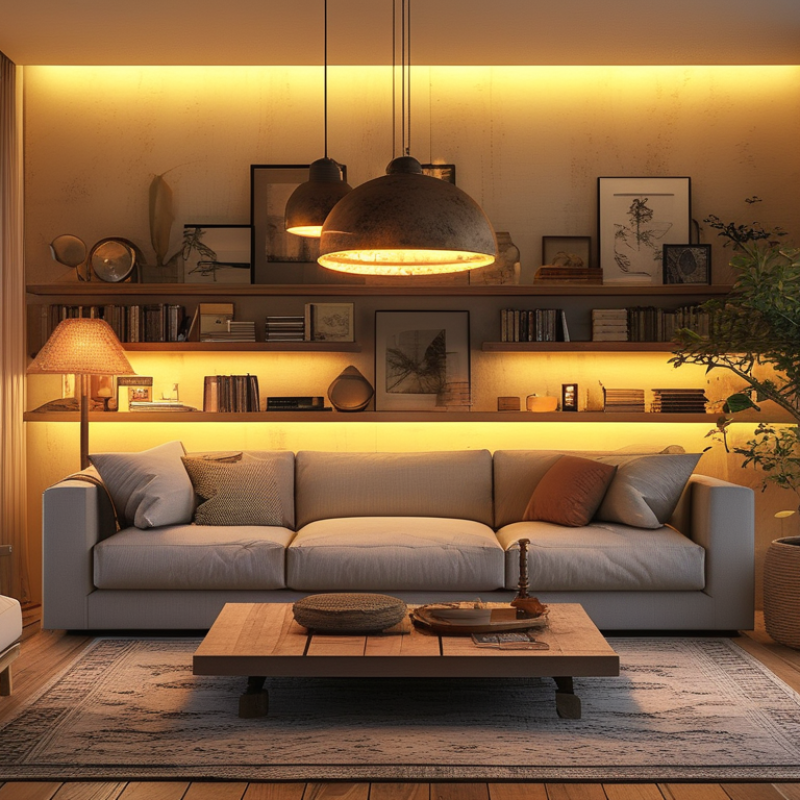
10 Tips for Layering Lighting in Any Room to Enhance Ambiance

Understanding the Basics of Layered Lighting in Interior Design

Layered lighting is essential in interior design. It creates a multi-dimensional space. By mixing different lighting types, you enhance the room's ambiance. Ambient, task, and accent lighting should work together. Each type serves its unique purpose while contributing to the overall aesthetic.

Consider the placement of each light source. Overhead lighting can illuminate a room broadly. Table lamps and floor lamps add warmth where tasks are performed. Use wall sconces and decorative fixtures to highlight features of the space. This method adds depth and character. However, striking the right balance can be challenging. Too much light may create an uninviting atmosphere.

Experiment with light bulbs too. Different bulb types can dramatically change a room's tone. Warm light offers comfort, while cool light feels vibrant. Adjusting dimmers can also help establish the right mood. An unexpected flicker might even spark creativity—for if the light dances, so can your imagination. Don’t shy away from testing various setups until the desired effect is achieved.

10 Tips for Layering Lighting in Any Room to Enhance Ambiance

Identifying Different Types of Lighting: Ambient, Task, and Accent

Layering lighting is essential in any room to create a welcoming atmosphere. To achieve this, it’s crucial to understand the three main types of lighting: ambient, task, and accent. Ambient lighting serves as the primary source of light. This may come from ceiling fixtures or wall sconces. It helps set the overall mood of the space. Choosing the right intensity and color temperature can really influence how a room feels. Soft, warm lights create comfort, while bright whites feel energizing.

Task lighting is more focused and practical. It illuminates specific areas for activities like reading or cooking. Desk lamps and under-cabinet lights are common examples. It’s important to ensure task lighting is adequately bright but not harsh. This balance can be tricky. Installing dimmable options may help adjust the light as needed and reduce eye strain.

Accent lighting, on the other hand, adds depth and character. It highlights artwork or architectural features. While often overlooked, this type of lighting can significantly enhance the room's aesthetics. Remember, a single accent light can transform a dull corner into a focal point. However, using too much accent lighting might overwhelm the space. Experiment to find the right blend for your ambiance needs.

Strategies for Effective Layering: Combining Different Light Sources

Layering lighting in a room is an art that significantly enhances its ambiance. Effective layering involves combining various light sources, creating depth and drama. Start with ambient lighting, which serves as the foundation. This is often a ceiling fixture or integrated lighting that provides general illumination. It's essential to ensure this base layer evenly distributes light throughout the space.

Next, consider task lighting. This type targets specific areas, like a desk or reading nook. A well-placed table lamp can work wonders here. It's striking how a simple change, like the angle of the light, can alter the room's feel. Then, accent lighting adds character. Use it to highlight artwork or architectural features. Spotlights or wall sconces can draw attention to these elements.

However, achieving the perfect balance takes practice. Experimenting with different heights and intensities can result in unexpected outcomes. Sometimes, too much light can make a space feel sterile or harsh. It’s crucial to pay attention to how the different layers interact. Reflection is key. Adjustments might be needed as the natural light shifts throughout the day.

10 Tips for Layering Lighting in Any Room to Enhance Ambiance

Lighting Type Purpose Placement Tips Recommended Sources
Ambient Lighting General illumination Install ceiling fixtures at the center of the room Chandeliers, ceiling-mounted LED lights
Task Lighting Focused light for specific tasks Place near work areas like desks or kitchen counters Desk lamps, under-cabinet lights
Accent Lighting Highlighting art or architectural features Aim at artwork or architectural details from a close distance Spotlights, wall sconces
Decorative Lighting Aesthetic appeal Use as a focal point in the décor String lights, decorative lamps
Natural Lighting Bringing the outdoors in for a vibrant feel Maximize window space and opt for sheer curtains Skylights, large windows

Choosing the Right Fixtures and Bulbs for Optimal Light Quality

Lighting plays a crucial role in defining any space's atmosphere. Choosing the right fixtures and bulbs greatly impacts light quality. Look for fixtures that match the room's style and function. For example, a chandelier can create elegance in a dining room. However, it may not fit well in a minimalist home office.


Consider the type of bulbs you use. LED bulbs offer energy efficiency and longer life. However, their color temperature can vary. Warm white bulbs provide a cozy glow, while cool white bulbs deliver a more clinical feel. Think about how you want the space to feel. Using the right blend of color temperatures helps create depth in your lighting.


Layering lighting is essential. Combine ambient, task, and accent lights to achieve a well-rounded effect. Table lamps offer soft illumination for reading, while recessed lighting can highlight architectural features. Experiment with various placements. You might find that a single accent light can change the room’s vibe. The choices can be overwhelming, but the right combination will enhance your space beautifully.

Creating a Balanced Lighting Plan for Every Room in Your Home

Creating an effective lighting plan is essential for enhancing the ambiance of any room. Start by evaluating the natural light available. Note how it changes throughout the day. Consider using sheer curtains to filter harsh sunlight while still allowing soft light to enter. This balance will create a warm and inviting atmosphere.

Next, think about the layers of lighting. Ambient lighting provides overall illumination. Use ceiling fixtures or recessed lighting to achieve this. For task lighting, select specific areas like desks or kitchen countertops. This ensures you can focus on tasks without straining your eyes. Accent lighting is also important. Use it to highlight artwork or architectural features. Layering these three types of lighting will add depth and character to your space.

However, it's common to overlook the intensity of light. Too bright can be harsh; too dim can feel gloomy. Experiment with different bulb strengths and color temperatures. Warm whites often create a cozier feel, while cooler tones can energize a room. Testing various combinations may take time, but it is necessary for finding the right balance that reflects your style.

FAQS

: What is layered lighting in interior design?

: Layered lighting combines ambient, task, and accent lighting to enhance room ambiance and create depth.

How can I achieve a balanced lighting plan?

Evaluate natural light and use sheer curtains. Combine ambient, task, and accent lights for a well-rounded effect.

What types of bulbs should I use for different feelings?

Warm white bulbs create coziness, while cool white bulbs produce a vibrant feel. Select according to your desired ambiance.

Why is lighting placement important?

Proper placement enhances the function of each light source and improves the overall atmosphere in the room.

How can I test light intensity for my space?

Experiment with different bulb strengths and color temperatures. Finding the right balance takes time and patience.

What should I consider when choosing fixtures?

Fixtures should match the room's style and function. An elegant chandelier might not fit in a minimalist space.

Can ambient lighting be too bright?

Yes, overly bright ambient lighting can be harsh and uninviting. Aim for a balance that feels comfortable and warm.

How do task and accent lighting differ?

Task lighting focuses on specific areas for activities, while accent lighting highlights features like artwork or architectural details.

How can experimenting with lighting spark creativity?

Unexpected changes in light can inspire new ideas. If the light flickers, let your imagination dance along with it.

Conclusion

Layering lighting in rooms is essential for creating a warm and inviting ambiance. Understanding the basics of layered lighting involves recognizing three primary types of illumination: ambient, task, and accent lighting. Each type serves a specific purpose, ensuring both functionality and aesthetics are addressed in your interior design.

To effectively layer lighting, consider combining different light sources strategically. This can include overhead fixtures, table lamps, and wall sconces that complement one another. Choosing the right fixtures and bulbs is crucial for achieving optimal light quality that enhances the overall atmosphere. Furthermore, a balanced lighting plan tailored for each room can elevate your home's design, showcasing the intended areas while providing sufficient light where needed. Mastering **how to layer lighting in rooms** will transform your space into a beautifully lit environment that meets your lifestyle needs.

Oliver

Oliver

Oliver is a seasoned marketing professional with a wealth of expertise in driving brand awareness and engagement. With a deep understanding of our company's product offerings, he consistently delivers high-quality content that enriches our professional blog. His insights not only shed light on......