Top 10 Lighting Ideas for Small Spaces

Time:2026-11-17 Author:Sienna
0%

In a compact room, light can change how the space feels without moving a single wall. A ceiling fixture may brighten the center, yet leave a desk corner dim and a hallway shadowy. Thoughtful Lighting Ideas For Small Spaces use several gentle sources instead of relying on one harsh bulb. A wall sconce, a focused reading lamp, and a warm table light can each serve a clear purpose. Small rooms need layers. They also need restraint.

Architect Louis Kahn once observed, “The sun never knew how great it was until it hit the side of a building.” His words capture how light reveals shape, texture, and depth. In a small home, that might mean washing a pale wall with soft light or aiming a lamp toward a book, not your eyes. The ideas in this guide explore practical choices, from mirrors and low-profile fixtures to dimmers and under-shelf lighting. Each can help make a tight room feel more useful and welcoming. Still, a reflective surface is not always the answer; a glossy shade can throw glare straight onto the sofa. The best choice depends on the room, its windows, and how people actually use it. These suggestions are a starting point, not a formula. A little trial and adjustment may be needed.
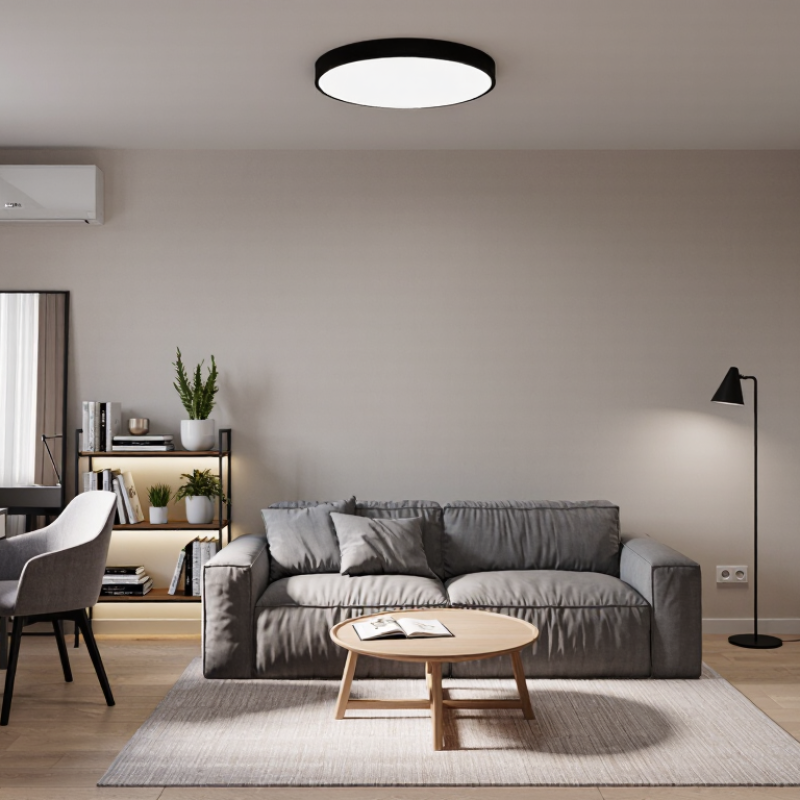
Top 10 Lighting Ideas for Small Spaces

Understanding Light, Layout, and Needs in Small Spaces

In a small room, good lighting starts with understanding what the space needs. A desk corner needs clear task light, while a reading chair benefits from a softer, directed beam. Notice where daylight falls during the day and where shadows gather after sunset. Pale walls can reflect light, but glossy surfaces may create distracting glare. Small details matter.

Tips: Layer a ceiling fixture, a compact floor or table lamp, and focused task lighting. Aim light toward walls or ceilings to make the room feel more open. Keep switches easy to reach, especially beside a bed or doorway.

Layout matters as much as brightness. A lamp behind a chair may cast a shadow across a book, while one placed beside it can light the page more evenly. Choose fixtures that leave walking paths clear; a narrow floor lamp may work better than a wide table base. I used to think brighter meant better, but harsh overhead light can make a tiny room feel flat. It may take a little rearranging to find the right balance.

Layering Ambient, Task, and Accent Lighting

In a compact room, one bright ceiling fixture often creates glare while leaving corners dim. Build three layers instead. Ambient light sets a comfortable baseline; a shaded ceiling fixture or bounced floor lamp can soften the whole room. Task lighting belongs where work happens: aim an adjustable lamp at a book, kitchen counter, or desk, not at your eyes. Accent lighting adds depth. A small wall light grazing a textured surface can make a narrow room feel less flat. Keep controls separate when possible, so every layer does not switch on at once. It is easy to overdo.

The Illuminating Engineering Society’s Lighting Handbook treats illumination as task-specific, a useful reminder that one brightness level rarely suits every activity. A desk needs focused light, while a sofa corner benefits from softer ambient illumination. The U.S. Department of Energy reports that LEDs use at least 75% less energy and last up to 25 times longer than incandescent bulbs; that makes efficient lamps practical for multiple fixtures used daily. Choose compatible dimmers and check bulb packaging before installing them. A warm bulb may feel inviting, but color can look different against paint and fabric. Test one lamp in the evening before buying several. Small rooms punish clutter, and sometimes an extra fixture is simply one too many.

Top 10 Lighting Ideas for Small Spaces — Layering Ambient, Task, and Accent Lighting

Practical ways to combine light, save floor space, and make compact rooms feel comfortable and functional.

# Lighting Idea Layer Placement and Setup Useful Specification Small-Space Benefit
1 Use a dimmable ceiling fixture Ambient Center a low-profile flush-mount or semi-flush fixture in the room. Choose a dimmable LED and a warm-to-neutral white setting, around 2700–3000 K. Provides general illumination without taking up floor or table space.
2 Add wall-mounted reading lights Task Install adjustable sconces beside a bed, sofa, or reading chair. Aim the beam at the page or work surface; use a switch that is easy to reach. Frees bedside tables and side tables while directing light where it is needed.
3 Light a desk with an adjustable task lamp Task Place a compact, adjustable lamp at the side opposite the writing hand. Look for a movable arm and a shade that controls glare on screens and paper. Concentrates light on the work area instead of brightening the entire room.
4 Add LED strips beneath shelves or cabinets Task / Accent Mount a diffused strip beneath kitchen cabinets, bookcases, or floating shelves. Choose a cut-to-length strip with an accessible switch or dimmer. Illuminates counters and displays while keeping surfaces clear.
5 Wash a wall with a floor uplighter Ambient / Accent Place a slim uplighter in an unused corner and direct it toward a light-colored wall. Select a stable, narrow-base model and leave space around the fixture for ventilation. Bounces light around the room and draws the eye upward without a bulky lampshade.
6 Highlight artwork with a small picture light Accent Mount a picture light above a framed print or use a discreet adjustable spotlight. Use a low-glare light source and check that it does not create reflections on glass. Adds visual depth and a focal point without adding furniture.
7 Choose a slim floor lamp with a reading arm Ambient / Task Place it beside a sofa or chair, with the reading arm aimed at the seat. Prefer a narrow footprint, separate controls, and a shade that directs light downward. Combines room lighting and reading light in one vertical fixture.
8 Illuminate closets and dark storage areas Task Fit a battery-powered or hardwired LED light inside a closet or pantry. A motion sensor can switch the light on when the door opens or someone enters. Makes enclosed storage easier to use without leaving a lamp on in the room.
9 Use mirrors to extend existing light Ambient / Accent Position a mirror to reflect daylight or a nearby lamp, without reflecting glare directly into the room. Keep the light source visible in the reflection only if it remains comfortable to look at. Helps distribute available light and can make a compact room feel more open.
10 Put separate light layers on independent controls All layers Use separate switches, plug-in dimmers, or compatible smart controls for ambient, task, and accent lights. Check that dimmers and controls are compatible with the installed LED lamps. Lets one small room shift from bright and practical to softer and more relaxed.

Selecting Compact Fixtures for Limited Floor and Wall Space

In a small room, every fixture competes with furniture, artwork, and usable surfaces. Start by measuring the space available, including door swings and cabinet clearance. Measure before buying. A low-profile ceiling fixture can provide general light without making a narrow room feel crowded. Choose a size that suits the room rather than the largest fixture that fits.

Wall space is limited too, so look for sconces with slim backplates and shades that direct light where it is needed. Beside a bed, an adjustable reading sconce can free the nightstand for a book or glass of water. In a hallway, a compact fixture with a diffusing shade helps soften harsh shadows. Check how far each fixture projects; a few inches can matter beside a tight walkway. If drilling is not practical, plug-in wall lights may work, but plan the cord route carefully.

Use more than one kind of light when possible. A ceiling fixture paired with a task light gives you flexibility for reading, cooking, or relaxing. Warm-white bulbs often make small rooms feel more comfortable, while clear, brighter light can help over a desk or mirror. Keep it simple. A fixture that looks perfect online may feel too bulky once installed, and I would reconsider the choice if it blocks storage or creates glare. For hardwired installations, ask a qualified electrician to check the mounting and wiring.

Using Light Placement, Color, and Reflection to Open Up a Room

In a small room, light should travel across surfaces, not stop at the ceiling. Place a floor lamp near a pale wall and aim its shade upward; the reflected glow softens dark corners. Add a low-glare desk or bedside lamp where work happens. Layered light gives you control. Choose warm white bulbs around 2700–3000 kelvin for a relaxed feel, then use brighter task lighting where detail matters. The U.S. Department of Energy reports that LED bulbs use at least 75% less energy and last up to 25 times longer than incandescent bulbs. That efficiency makes several modest light sources practical, rather than relying on one harsh ceiling fixture.

Color and reflection can extend the effect. Light-colored walls and ceilings return more light into the room, while a mirror opposite a window can carry daylight deeper indoors. Keep the mirror positioned to reflect a bright view, not a cluttered shelf. That part is easy to misjudge. The U.S. Energy Information Administration’s 2015 Residential Energy Consumption Survey estimated lighting at about 4% of household site energy use, but visual comfort matters more than chasing the lowest wattage. Try a dimmer or movable lamp before buying more fixtures; observe how shadows shift at dusk. A reflective surface can brighten a room, yet too many glossy finishes may feel cold.

Ten Lighting Ideas for Small Rooms and Everyday Activities

A small room needs light for more than one task. A low-profile ceiling fixture gives general light without crowding the view. Aim an adjustable desk lamp at the page, not your eyes, to reduce glare while working. Wall sconces free up bedside tables, while a slim floor lamp can brighten a reading corner. Small changes matter.

Try an under-shelf light over a kitchen counter for chopping or making tea. A focused bedside reading light lets one person read without lighting the whole room. Place lights beside a mirror, rather than directly above it, to soften shadows while getting ready. A dimmer can shift the mood from focused to restful, though some bulbs may flicker if they are not compatible. Check before buying.

Bulb color also changes how a room feels: warmer light often suits winding down, while a neutral tone can help with detailed tasks. A small portable lamp is useful when activities move from a desk to the floor or a dining table. Keep cords out of walking paths, and avoid pointing bare bulbs toward shiny screens. Test the setup at night. I have found that a lamp that looks balanced in daylight can still leave one corner surprisingly dim.

FAQS

How can I light a small room without harsh glare?

Combine soft ambient light, focused task lighting, and a small accent light. Aim adjustable lamps at a page or wall, not your eyes.

Where should I place a floor lamp?

Set it near a pale wall and aim the shade upward. The reflected glow can soften dark corners.

What bulb color works well for a relaxing atmosphere?

Warm white bulbs around 2700–3000 kelvin often feel comfortable in the evening. Test one lamp against your walls and fabrics.

How can I brighten a room using a mirror?

Place a mirror opposite a window to carry daylight farther indoors. Reflect a bright view, not a crowded shelf.

What lighting helps with reading or desk work?

Use an adjustable lamp aimed at the book or work surface. Keep the bulb out of your direct line of sight.

Are LED bulbs useful for rooms with several lamps?

LEDs use at least 75% less energy and can last up to 25 times longer than incandescent bulbs. Check dimmer compatibility.

How can I light a bedside area without taking up table space?

Wall sconces can free the bedside table. A focused reading light lets one person read without lighting the whole room.

Why does my lighting still feel uneven at night?

Shadows shift as daylight fades, and a setup that looks balanced earlier may leave one corner dim. Test it at night.

Conclusion

Lighting Ideas For Small Spaces begin with understanding how a room is used, where natural light enters, and which areas need better visibility. A thoughtful combination of ambient lighting for overall brightness, task lighting for activities such as reading or cooking, and accent lighting to highlight details can make a compact room feel comfortable and functional. Choosing the right layers helps avoid dark corners without overcrowding the space.

Compact fixtures, including wall-mounted, ceiling-mounted, and adjustable options, can provide useful light while preserving valuable floor and surface area. Placement matters: directing light toward walls or ceilings, choosing a balanced color temperature, and using reflective surfaces can help a room feel more open. The ten ideas in this guide offer practical ways to adapt lighting to small rooms and everyday activities, creating a brighter, more welcoming space that suits both its layout and your needs.

Sienna

Sienna

Sienna is a skilled marketing professional with a deep expertise in our company’s core products and services. With a passion for innovation and detail, she plays a pivotal role in crafting insightful blog posts that not only highlight the unique features of our offerings but also provide valuable......