 Splink Lighting
How to Maintain Decorative Lamps Top 10 Tips?
Decorative lamps do more than brighten a room. They shape mood, highlight furniture, and add personality to hallways, bedrooms, and dining areas. Yet dust, heat, fingerprints, and loose fittings can slowly affect their appearance and performance. Learning How To Maintain Decorative Lamps helps protect delicate finishes, prevent avoidable faults, and keep lighting comfortable for everyday use.
This guide presents ten practical care tips for glass, metal, fabric, wood, and acrylic fixtures. You will learn how to switch off the power, use a soft microfiber cloth, remove delicate shades, and inspect cords without forcing fragile parts. A dry cloth often removes light dust, while a slightly damp cloth may lift stubborn marks from suitable surfaces. Always follow the manufacturer’s instructions, especially for plated finishes and integrated LED units. Small details matter. A forgotten screw can create serious wobbling later. Some advice may not suit every lamp, because materials and construction vary. That limitation deserves attention, not guesswork. If wiring smells hot, flickers repeatedly, or shows damage, stop using the lamp and consult a qualified electrician. Never open sealed electrical components yourself. With steady care and realistic expectations, decorative lighting can remain attractive, stable, and useful for many years.
Identify the Lamp’s Materials and Maintenance Requirements
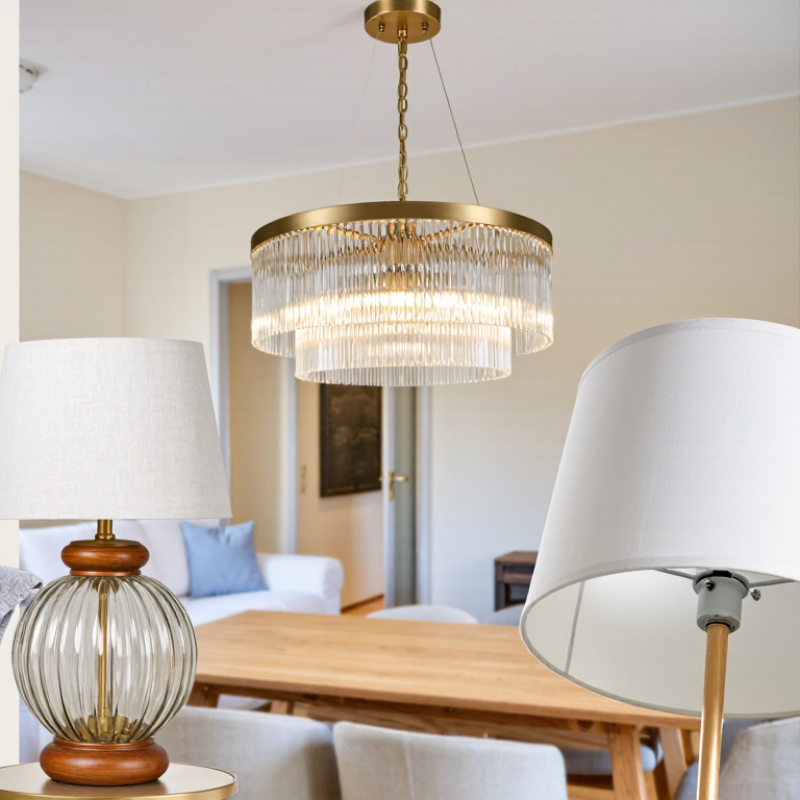
Decorative lamps last longer when their materials are identified before cleaning begins. I inspect the shade, frame, socket, cord, and surface finish. Glass tolerates a lightly damp microfiber cloth, but moisture must stay away from sockets and switches. Fabric shades need gentle vacuuming with a soft brush attachment. Rubbing can flatten fibers or create shiny patches. Metal finishes vary. Painted metal may scratch, while untreated brass can darken naturally.
Wood requires restrained care. Excess water may swell joints or lift veneer. I use a nearly dry cloth, then wipe immediately. Crystal and acrylic also need different handling; abrasive powders can leave fine marks that appear only under strong light. Always check the maker’s care instructions and the lamp’s electrical rating. This small step is often skipped.
Energy and safety data support careful replacement, not careless upgrading. The U.S. Department of Energy reports that LED lamps use at least 75% less energy and can last up to 25 times longer than incandescent lamps. However, an LED retrofit still needs the correct wattage, base, dimmer compatibility, and heat clearance. The National Fire Protection Association identifies electrical distribution and lighting equipment among leading causes of home fire property damage. Dust near a hot bulb matters. Unplug the lamp, let it cool, and inspect brittle cords twice yearly. I sometimes find that “clean” lamps hide loose fittings or heat-darkened sockets. A visual check is useful, but it is not a substitute for qualified electrical repair.
FAQS
Check the shade, frame, socket, cord, and surface finish. Identify each material first. Careless cleaning can damage hidden details.
Turn it off and unplug it from the wall. Let every part cool completely. Use dry hands. Never pull the cable.
Use a soft microfiber cloth. Support fragile pieces with one hand. Test a barely damp cloth in a hidden area. Dry immediately.
Use a soft brush attachment with low suction. Move from the top downward. Do not soak the fabric. Rubbing may flatten fibers.
Use a nearly dry cloth. Wipe moisture away immediately. Excess water can swell joints or lift veneer. This step is easy to overlook.
Avoid rough sponges and abrasive powders. Test mild soap on a hidden spot. Painted metal may scratch. Untreated brass may darken naturally.
Not always. Check the wattage, base, dimmer compatibility, and heat clearance. Energy-efficient bulbs use much less power and may last longer.
Stop using the lamp if wiring is exposed, insulation is cracked, or the light flickers. Loose fittings and darkened sockets also matter. Do not repair damaged wiring with tape.
Inspect cords and fittings twice yearly. Clean switches and pull chains every few weeks. Kitchen lamps may need more frequent cleaning. A spotless surface does not prove electrical safety.
Conclusion
How To Maintain Decorative Lamps starts with understanding the lamp’s materials and specific care requirements. Different finishes, such as glass, metal, wood, fabric, or painted surfaces, may need different cleaning methods. Always switch off, unplug, and allow the lamp to cool completely before handling it. Gently remove dust with a soft, dry cloth or brush, and use a suitable, lightly dampened cloth when needed. Avoid excessive moisture, harsh chemicals, and rough tools that could damage decorative details.
Regular inspection also helps preserve both appearance and safe operation. Check the bulb, socket, power cord, plug, screws, and mounting parts for signs of wear, looseness, or damage, and arrange proper repair when necessary. Replace bulbs with compatible types and avoid exceeding the recommended power rating. When storing the lamp, protect delicate surfaces with soft wrapping, keep it in a dry, dust-free place, and avoid pressure or impact. With careful cleaning, timely maintenance, and proper storage, decorative lamps can remain attractive and functional for a long time.
