In a world increasingly focused on sustainability, finding Eco-Friendly Lighting Alternatives is essential for environmentally conscious consumers. Traditional lighting options often consume excessive energy and contribute to climate change. In contrast, eco-friendly choices can significantly reduce carbon footprints and energy costs.
As we explore the top 10 eco-friendly lighting alternatives, we discover innovative solutions that blend efficiency with style. These options range from LED bulbs to solar-powered fixtures, each offering unique benefits. It's crucial to recognize that not all eco-friendly products are created equal. Some may lack longevity or performance, highlighting the importance of thorough research before making a decision.
Investing in eco-friendly lighting is a step toward more sustainable living. However, consumers must reflect on their individual needs and the specific context of their spaces. The best solution for one household might not suit another. By evaluating these alternatives and understanding their implications, we can make informed choices that support the planet and enhance our living environments.
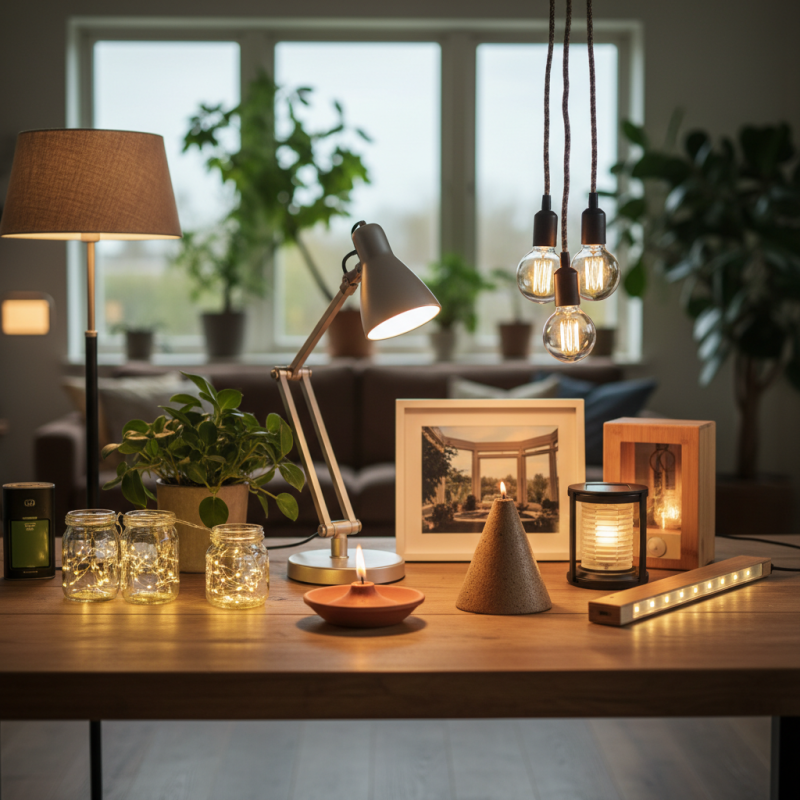
Top 10 Eco-Friendly Lighting Alternatives for Sustainable Living
Choosing eco-friendly lighting alternatives is crucial for sustainable living. Traditional incandescent bulbs waste a lot of energy. In contrast, LED bulbs are more efficient and last longer. They consume a fraction of the energy. This translates to lower electricity bills and a reduced carbon footprint.
Solar-powered lights are another great option. They harness energy from the sun, making them perfect for outdoor spaces. You can easily install them without wiring. However, their effectiveness depends on sunlight. If your area has limited sunlight, performance may vary.
Consider using smart lighting systems as well. These systems allow for better control over energy use. You can adjust brightness and set schedules, reducing waste. Still, technology is not infallible. Issues with connectivity can lead to unexpected energy consumption. It's essential to evaluate your choices carefully and make informed decisions.
Understanding the Impact of Traditional Lighting on Carbon Footprint
Traditional lighting contributes significantly to our carbon footprint. According to the U.S. Department of Energy, lighting accounts for about 15% of total electricity use in homes. This means more greenhouse gas emissions. Switching to eco-friendly lighting can dramatically reduce this impact. LED lights, for example, use up to 75% less energy than incandescent bulbs over their lifespan.
Not only do these alternatives save energy, but they can also save money. The average household can save roughly $225 each year by using LEDs. However, many people still rely on outdated lighting options, often unaware of their environmental impact. Understanding these numbers is crucial for making informed decisions.
Tips: Consider using natural light. Open blinds and use reflective surfaces to increase brightness. Also, be mindful when purchasing bulbs. Look for ENERGY STAR labels, which indicate better energy efficiency. Small changes can lead to significant savings.
Comparative Analysis of LED vs. Incandescent Lighting Efficiency
When comparing LED and incandescent lighting, efficiency is a key factor. LEDs use up to 80% less energy than incandescent bulbs. This results in lower electricity bills and reduced environmental impact. An LED bulb can last up to 25,000 hours, while an incandescent bulb typically lasts only about 1,200 hours. This longer lifespan means fewer replacements and less waste in landfills.
However, some people find that incandescent bulbs provide a warmer light that LEDs can’t always replicate. This warmth can create a cozy atmosphere, making homes feel inviting. Yet, one must consider the trade-off: higher energy consumption and frequent bulb changes. It’s important to reflect on your preferences versus the ecological benefits of switching to LED technology.
Understanding the nuances of light quality versus efficiency is crucial. While LEDs are the more sustainable choice, personal comfort matters too. It sparks a conversation about how we prioritize aesthetics over environmental responsibility. The journey toward eco-friendly living requires balancing efficiency with personal satisfaction.
The Role of Solar-Powered Lights in Reducing Energy Consumption
Solar-powered lights are revolutionizing how we approach energy consumption. These lights harness sunlight during the day, converting it into energy for nighttime use. This process dramatically reduces reliance on traditional electricity sources, which often generate significant greenhouse gases. Imagine a garden illuminated by soft, warm solar lights, creating an inviting atmosphere without the energy drain.
While solar-powered lights offer clear benefits, they also present some challenges. For instance, their efficiency depends on weather conditions. A cloudy week can result in dim lighting at night. Users may find themselves needing backup options during the darker months. Moreover, the initial investment can be a concern for some households. It requires a thoughtful evaluation of long-term savings versus upfront costs.
Despite these challenges, the appeal of solar lighting remains strong. Many find the convenience and eco-friendliness outweigh the downsides. The idea of reducing one’s carbon footprint while enjoying outdoor spaces is compelling. Engaging with solar-powered options encourages a more sustainable mindset. Integrating these lights into homes and gardens contributes to a more conscious way of living, aligning daily practices with broader environmental goals.
Benefits of Using CFLs: Cost Savings and Environmental Benefits
Compact fluorescent lamps (CFLs) are an excellent choice for eco-friendly lighting. They consume less energy than traditional bulbs. This results in lower electricity bills over time. Using CFLs can save households up to 75% on energy costs. That’s significant for both the environment and your wallet.
CFLs have a longer lifespan, often lasting ten times longer than incandescent bulbs. This means fewer bulbs end up in landfills. However, it's important to handle them carefully as they contain a small amount of mercury. This is a critical point for consideration. Not all households may be ready to switch. Sometimes, the initial cost can be a barrier.
Despite these concerns, the benefits of using CFLs are clear. They contribute to reducing greenhouse gas emissions. Each bulb not only lights your home but also supports a more sustainable future. Rethinking your lighting choices can be a simple yet impactful step towards eco-conscious living.
Innovative Technologies: Smart Lighting Systems for Sustainable Homes
Smart lighting systems are revolutionizing sustainable homes. Recent reports indicate that energy-efficient lighting accounts for nearly 29% of residential energy usage. Smart technologies help homeowners optimize this by adjusting brightness and color temperature based on time of day. This leads to significant energy savings, with some households reducing their energy bills by up to 30%.
Many systems integrate with home automation. Sensors detect occupancy and adjust lighting accordingly. Data from industry studies show that these methods can decrease unnecessary energy consumption by nearly 40%. Enhanced user control through mobile apps also encourages mindful usage. Homeowners can track their energy consumption in real time, promoting greater awareness of their habits.
Challenges still exist in adopting these technologies. Not all smart lighting products are user-friendly. Some lack proper guidance for installation and usage. Furthermore, initial costs can be a barrier. Although many systems promise long-term savings, the upfront investment can deter potential users. Awareness and education on benefits are crucial to overcoming these issues. Ensuring these benefits are accessible will ultimately encourage broader acceptance and implementation.
FAQS
: LED bulbs use up to 80% less energy than incandescent bulbs.
An LED bulb can last up to 25,000 hours.
Incandescent bulbs provide a warmer light, creating a cozy atmosphere.
CFLs contain a small amount of mercury and must be handled carefully.
Households can save up to 75% on energy costs with CFLs.
Smart lighting systems can reduce energy bills by up to 30%.
They adjust brightness and color based on the time of day.
Not all products are user-friendly and can be difficult to install.
Initial costs can be a barrier, despite long-term savings.
Education on benefits encourages users to adopt more sustainable lighting options.
Conclusion
The exploration of "Eco-Friendly Lighting Alternatives" reveals significant insights into sustainable living and its impact on reducing our carbon footprint. Traditional lighting, particularly incandescent bulbs, contributes substantially to energy consumption and greenhouse gas emissions. In contrast, LED lighting demonstrates superior efficiency, consuming less energy and lasting longer, thereby mitigating these environmental impacts.
Moreover, solar-powered lights present a viable solution for outdoor illumination, harnessing renewable energy for use in homes. Compact fluorescent lamps (CFLs) also offer notable cost savings and environmental benefits compared to traditional lighting options. As innovative technologies, such as smart lighting systems, continue to evolve, they pave the way for a more sustainable approach to home illumination, enabling users to further reduce energy usage and align with eco-friendly living practices.
 Splink Lighting
