Top 10 Lighting Maintenance Tips You Need to Know?

Time:2026-05-09 Author:Mason
0%

Lighting is an essential aspect of any environment. Proper maintenance can greatly enhance its longevity and efficiency. According to lighting expert Dr. Emily Brightwell, "Regular maintenance of lighting systems can prevent expensive replacements and ensure optimal performance." Understanding essential Lighting Maintenance And Care Tips is crucial for homeowners and businesses alike.

Proper lighting maintenance goes beyond simply replacing bulbs. It involves cleaning fixtures, checking wiring, and ensuring energy efficiency. Neglecting these tasks can lead to diminished brightness and increased energy costs. Regular inspections can reveal underlying issues. This proactive approach minimizes potential hazards and extends the life of your lighting systems, providing both safety and savings.

However, many people overlook these vital tasks. Taking the time to implement these tips can make a real difference. It's crucial to fully understand the recommendations. Engaging with professionals can provide further insights. After all, a well-maintained lighting system creates a better ambiance. With the right guidance, effective Lighting Maintenance And Care Tips can transform your space significantly.
Top 10 Lighting Maintenance Tips You Need to Know?

Importance of Regular Lighting Inspections for Safety and Efficiency

Regular lighting inspections are crucial for maintaining safety and efficiency in any environment. A report from the National Fire Protection Association states that 30% of workplace accidents are due to poor lighting. This statistic highlights the need for routine checks. Inspections can identify issues such as flickering lights or burned-out bulbs, which affect visibility and can lead to accidents.

Furthermore, frequent lighting maintenance ensures energy efficiency. According to the U.S. Department of Energy, effective lighting management can reduce energy use by up to 40%. Routine inspections help in identifying outdated fixtures that consume more energy than necessary. Replacing or upgrading these can lead to significant savings over time.

Despite these benefits, many organizations overlook lighting maintenance. A survey by the International Facility Management Association shows that only 45% of facilities conduct regular lighting checks. This negligence can lead to increased operational costs and reduced employee satisfaction. It’s essential to prioritize lighting inspections as part of a broader maintenance strategy.

Choosing the Right Maintenance Schedule for Different Lighting Types

Choosing the right maintenance schedule for different lighting types is essential for optimal performance. Different types of lights require specific care. For example, LED lights are energy-efficient but may still need regular checks. Replace any burnt-out bulbs promptly. This simple action prevents energy waste and maintains overall lighting quality.

Fluorescent lights have a shorter lifespan and should be inspected frequently. Look for flickering or buzzing sounds, as these indicate issues. Cleaning fixtures and ensuring proper ventilation can extend their life. It’s a good practice to create a log to track maintenance activities. This step can help you recognize patterns over time.

Halogen bulbs can become hot and require special attention. Regular cleaning to remove dust buildup is crucial for safety and efficiency. Set a quarterly schedule to inspect all fixtures. Be mindful of the areas that get used the most. Not all lights need the same attention; reflecting on their usage is necessary for effective maintenance. Balancing a smart schedule can save costs and improve lighting conditions significantly.

Essential Tools and Materials for Effective Lighting Maintenance

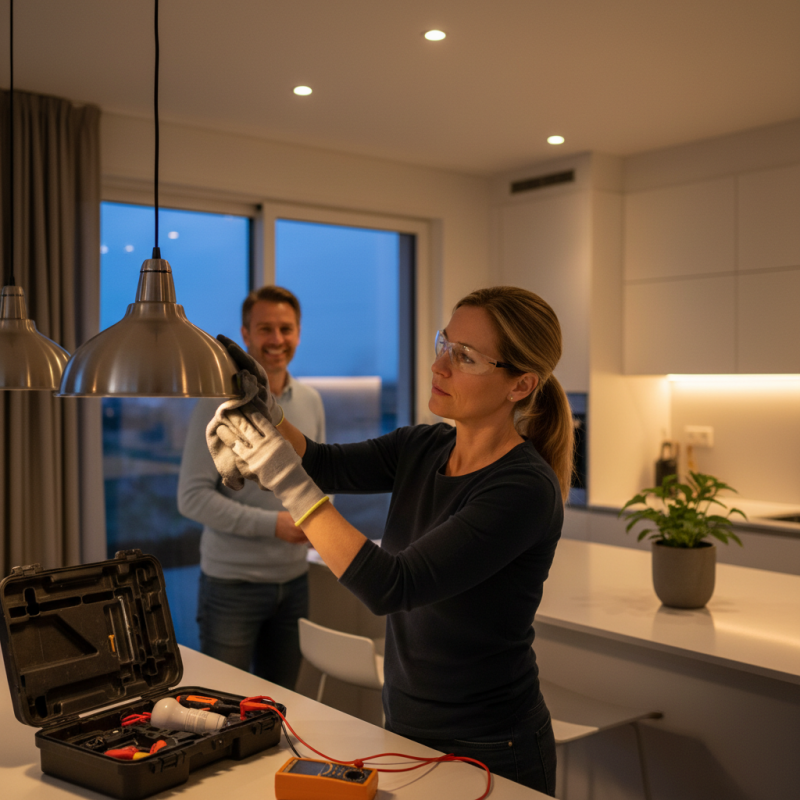
When it comes to effective lighting maintenance, having the right tools and materials is crucial. Start with a quality multimeter. This portable device allows you to check voltage levels and diagnose electrical issues. A sturdy ladder is also important for reaching fixtures safely. Opt for one that can support your weight comfortably. Protective gear, such as gloves and goggles, should not be overlooked, too.

Use cleaning supplies like microfiber cloths and vacuum attachments. These items help to remove dust from fixtures and bulbs, improving light output efficiency. Consider a lubricant spray for moving parts, ensuring switches and dimmers operate smoothly. Batteries and replacement bulbs are essential to keep on hand. Always choose the right wattage when replacing bulbs to avoid overload.

Despite having all these tools, challenges may arise. For example, if a light flickers even after changing the bulb, it could indicate deeper electrical problems. Regular checks may reveal issues often overlooked. Documentation of maintenance and repairs can help identify patterns. It’s a process of learning and adapting with each task.

Top 10 Lighting Maintenance Tips You Need to Know

Tip Number Maintenance Tip Frequency Essential Tools
1 Replace burnt-out bulbs As needed New bulbs, ladder
2 Clean light fixtures Monthly Mild detergent, cloth
3 Check for flickering lights Monthly Screwdriver, tester
4 Inspect for damaged wiring Quarterly Flashlight, tester
5 Adjust dimmer settings As needed Screwdriver
6 Replace filters in fixtures Every six months Replacement filters
7 Test emergency lights Monthly Tester
8 Monitor energy consumption Monthly Energy monitor
9 Ensure proper light placement Annually Measuring tape
10 Consult a lighting professional As needed N/A

Common Lighting Issues and How to Troubleshoot Them

Lighting issues can be both frustrating and costly. According to industry reports, approximately 30% of lighting failures are due to improper maintenance. Regular checks are essential to identify problems early. For instance, flickering lights may indicate loose connections or a failing bulb. These symptoms shouldn’t be ignored. They can lead to more significant issues if left unaddressed.

Another common issue is dim lighting. This could stem from several factors. Dust buildup on light fixtures reduces brightness. A simple cleaning schedule can mitigate this problem. Also, ensure that the light bulbs used are appropriate for the fixtures. Ineffective bulbs can lower overall performance and energy efficiency. A study found that poorly maintained lighting systems can increase energy consumption by up to 20%.

Finally, safety should always be a priority. Loose fixtures pose risks, especially in high-traffic areas. Regular inspections can help prevent accidents. It’s crucial to develop a proactive maintenance routine. Most professionals recommend monthly checks, while major inspections should occur quarterly. A systematic approach to lighting maintenance saves money and enhances safety and efficiency.

Sustainable Practices for Eco-Friendly Lighting Maintenance

Sustainable lighting maintenance is essential for both efficiency and environmental impact. Choosing energy-efficient bulbs can significantly reduce power consumption. For example, switching to LED lighting not only lowers energy bills but also extends the lifespan of the fixtures. Regularly checking for burnt-out bulbs allows for optimal performance. Ensure all lighting systems are functioning properly to avoid wasting energy.

Cleaning light fixtures may seem trivial but it greatly improves illumination efficiency. Dust and grime can diminish light output. Consider using eco-friendly cleaning solutions. These are better for the environment and your indoor air quality. Furthermore, evaluate the use of timers and sensors. They can help automate the lighting system, conserving energy during unoccupied times.

Reflect on your usage patterns. Are there areas that remain lit unnecessarily? Adjusting lighting levels in less-frequented areas can make a significant impact. Adopting a proactive maintenance schedule can also prevent larger issues. Regular inspections will help you identify and address inefficiencies before they cause major problems. Sustainability in lighting maintenance is not just a trend, it is a vital step toward a greener future.

Top 10 Lighting Maintenance Tips You Need to Know

The following chart illustrates the frequency and effectiveness of various lighting maintenance tips that contribute to sustainable and eco-friendly lighting practices. The tips are ranked by effectiveness on a scale from 1 to 10.

FAQS

: Why is it important to maintain different types of lights?

: Regular maintenance ensures optimal performance and extends the lifespan of lighting fixtures.

How often should I check fluorescent lights?

Inspect fluorescent lights frequently for flickering or buzzing sounds that indicate potential problems.

What tools do I need for lighting maintenance?

Essential tools include a multimeter, ladder, gloves, goggles, and cleaning supplies like microfiber cloths.

Can cleaning fixtures affect lighting efficiency?

Yes, cleaning fixtures removes dust and grime, significantly improving light output and efficiency.

What should I do if a light flickers after changing the bulb?

This may indicate deeper electrical issues. Regular checking is necessary to uncover overlooked problems.

How can I make my lighting maintenance more sustainable?

Use energy-efficient bulbs, eco-friendly cleaning solutions, and assess usage patterns to reduce waste.

What are the risks of ignoring maintenance?

Over time, neglect can lead to inefficiencies, increased energy costs, and possible safety hazards.

Should I replace bulbs with the same wattage?

Always choose the correct wattage to avoid overload and ensure safe operation.

Why track maintenance activities?

Keeping a log helps recognize usage patterns and identify recurring issues for better management.

How does lighting automation help with maintenance?

Timers and sensors conserve energy by automatically adjusting lighting in unoccupied areas.

Conclusion

Effective lighting maintenance is crucial for ensuring safety and efficiency in any environment. Regular inspections can prevent potential hazards and optimize energy use, making it essential to create a tailored maintenance schedule that aligns with the specific needs of different lighting types. Essential tools and materials should be readily available to facilitate effective maintenance practices.

Moreover, understanding common lighting issues and troubleshooting them promptly can save time and resources. Incorporating sustainable practices into your lighting maintenance routine also contributes to eco-friendly solutions, ensuring minimal environmental impact. By following these Lighting Maintenance and Care Tips, you can enhance the longevity and performance of your lighting systems while promoting a safe and efficient atmosphere.

Mason

Mason

Mason is a seasoned marketing professional with a deep expertise in the company's offerings and a passion for driving brand awareness. With a strong background in digital marketing strategies, he has an innate ability to connect with diverse audiences and effectively communicate product benefits.......