A living room can feel calm, intimate, or surprisingly energetic because of its lighting. Modern Lighting Designs For Living Rooms explore that emotional range through layered illumination, refined materials, and carefully controlled brightness. A sculptural pendant may become the room’s visual anchor, while concealed LED strips soften a media wall. A small table lamp can then create a warmer corner for reading.
Lighting designer Ingo Maurer once said, “Light is not something you can touch, but it can touch you.” His observation explains why excellent lighting design involves more than attractive fixtures. It considers eye comfort, shadows, proportions, color temperature, and daily routines. A 2700K lamp beside a linen sofa feels different from a bright 4000K ceiling panel above a glass table. The difference is visible. It is also felt.
This guide examines the top Modern Lighting Designs For Living Rooms, from minimalist track systems to bold pendant lights and discreet architectural solutions. Each option has practical strengths and possible weaknesses. Some fixtures create drama but dominate smaller spaces. Others disappear beautifully but may provide insufficient task lighting. No room gets everything right. Even experienced designers revise placements after seeing evening glare on a television screen or a dark patch near a reading chair. That honest testing matters. The best choice balances atmosphere, function, maintenance, and personal taste. Trends can guide the conversation, but they should never replace careful observation of how people actually live in the room.
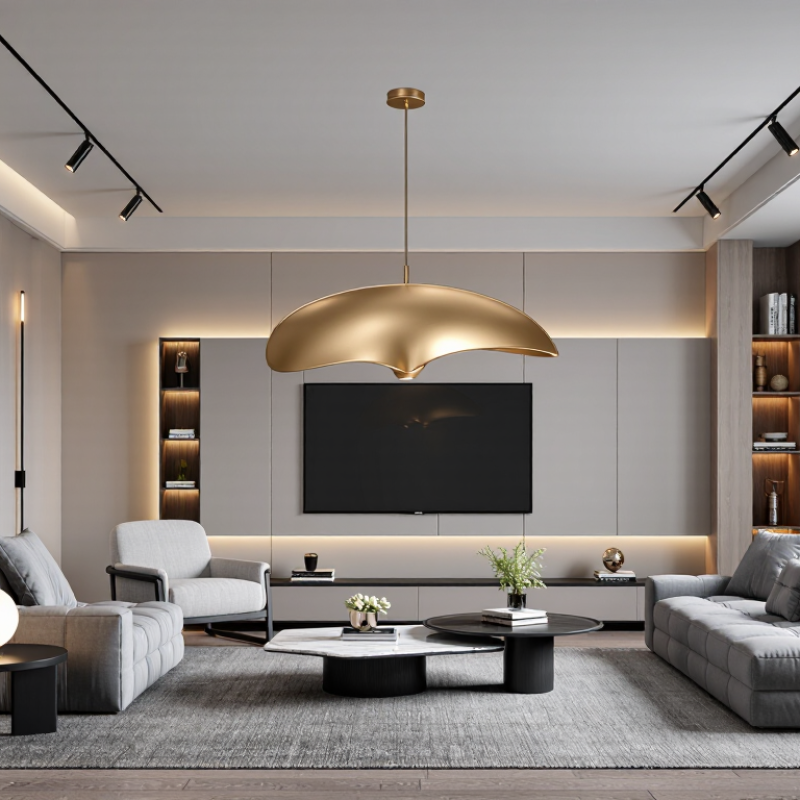
Modern lighting is more than a sculptural pendant or a thin ceiling strip. It is a layered system that shapes comfort, depth, and daily behavior. Ambient light fills the room, task light supports reading, and accent light highlights artwork or textured walls. A 2023 International Energy Agency report estimates that lighting uses about 15% of global electricity, making efficiency a design responsibility, not merely a technical detail.
Good living room lighting usually combines warm, adjustable sources with controlled glare. A floor lamp beside a sofa can create a reading zone, while concealed wall lighting can soften a dark corner. Dimmable LED systems also allow one room to shift from morning activity to evening relaxation. The U.S. Department of Energy has reported that LED lighting can use at least 75% less energy than incandescent lighting and last much longer. That difference matters in frequently used rooms.
Scale remains important. A large fixture above a low table may dominate the space, while tiny downlights can make a ceiling feel clinical. I prefer testing light at eye level before final installation. Small changes matter. Yet modern lighting is not always successful. Excessive color temperature, reflective surfaces, or poorly placed spots can create glare and visual fatigue. The WELL Building Standard emphasizes glare control and quality illumination, but real homes are less predictable than professional models. Furniture moves. People age. A flexible lighting plan may be wiser than a perfect-looking fixed arrangement.
Modern living rooms commonly combine recessed downlights, pendant lights, track lights, wall sconces, floor lamps, and linear LED fixtures. The chart compares their typical residential LED lumen ranges, helping illustrate how each design contributes to ambient, accent, or task lighting.
Values show representative lumen ranges for residential fixtures. Actual output varies by fixture size, LED efficiency, diffuser design, and installation.
Modern living room lighting works best when it creates layers rather than relying on one bright ceiling fixture. Ambient lighting provides general visibility, while task and accent lighting shape the room’s mood. A recessed LED grid can wash the ceiling evenly, but it may feel flat alone. Add a slim floor lamp beside a reading chair and a wall sconce near artwork. These smaller sources create useful pools of light across the room.
Sculptural pendant lights are another strong modern choice. Place one above a central table, leaving enough clearance for clear sightlines. I usually recommend warm light between 2700K and 3000K for comfortable evening use. A color rendering index above 90 helps rugs, wood, and artwork appear more natural.
Dimmers are essential. They allow bright light for cleaning and softer light for conversation.
Linear fixtures suit long rooms, especially above a coffee table or narrow console. Hidden LED strips can highlight shelving, though excessive brightness quickly becomes distracting.
I once used too many accent lights in a small lounge, and the space felt theatrical instead of calm. That mistake changed my approach.
Test each fixture after sunset, when reflections on glass and screens become obvious. Keep switches accessible, and avoid placing every light on one circuit. Small adjustments often matter more than expensive fittings.
In living rooms, lighting should support reading, conversation, and quiet evenings. From practical experience, layered lighting usually feels more comfortable than one bright ceiling fixture.
Ceiling lights provide broad illumination across the room. A slim flush mount suits low ceilings, while a dimmable pendant adds visual interest above a seating area. Choose warm light around 2700–3000K for a relaxed atmosphere.
Wall lights create softer, vertical illumination and reduce harsh shadows near sofas or artwork. They also save floor space. However, wall wiring can make installation less flexible.
Floor lamps bring light exactly where it is needed. An arc lamp can reach beside a sofa, while a tripod lamp adds a sculptural shape near a corner. Table lamps work well on consoles and side tables. Their lower position makes the room feel calmer and more intimate. Look for shades that hide the bulb from eye level.
I once placed a bright table lamp beside a television. The glare was distracting, and the arrangement needed changing.
For reading areas, I prefer adjustable floor or table lamps with high color rendering. They reveal fabric and wood tones more naturally.
Ceiling lighting still matters, but it should not dominate every activity. The best arrangement depends on furniture placement, ceiling height, and daily habits. One detail is easy to overlook: switches should be reachable.
What Are the Top Modern Lighting Designs for Living Rooms?
A successful living-room lighting plan begins with scale, not style. For compact rooms, choose a slim flush mount or a small pendant above the coffee table. Larger rooms can support a sculptural chandelier, floor lamps, and adjustable wall lights. Leave clear walking paths around seating. A fixture that looks elegant online may feel oversized beside a low sofa.
The U.S. Department of Energy reports that LED lighting uses at least 75% less energy than incandescent lighting and can last up to 25 times longer. That makes LEDs practical for frequently used rooms. Use warm white light around 2700–3000K for relaxed seating areas. Add dimmers when possible. The Illuminating Engineering Society recommends layered lighting, combining ambient, task, and accent sources for visual comfort.
Tips: Measure the room before shopping. Keep pendant bottoms safely above head height. Aim reading lamps toward the page, not directly into the eyes. Test color temperature at night. Small details matter.
For a narrow layout, wall sconces can save floor space while highlighting artwork. In an open-plan room, use separate lighting zones for conversation, reading, and television viewing. A floor lamp beside one chair may solve a real need better than a dramatic centerpiece. I still find lighting plans imperfect; screen glare, ceiling height, and personal sensitivity can change the result. Treat the first arrangement as a test, then adjust brightness and position after living with it.
| Living Room Profile | Typical Size and Ceiling | Recommended Modern Fixture | Best Placement | Approximate Light Output | Color Temperature | Lighting Need Addressed | Selection Notes |
|---|---|---|---|---|---|---|---|
| Compact living room | 10–15 m² Ceiling up to 2.4 m |
Slim flush mount Wall sconces | Center the flush mount in the room. Add sconces beside artwork or near the main seating area. | 1,500–3,000 lumens total | 2700–3000 K | General illumination with a small amount of accent lighting | Choose a low-profile fixture to preserve headroom and reduce visual clutter. |
| Small open-plan living area | 15–20 m² Ceiling 2.4–2.7 m |
Multi-light semi-flush fixture Dimmable floor lamp | Place the ceiling fixture over the main seating zone and the floor lamp beside a sofa or reading chair. | 2,000–4,000 lumens total | 2700–3000 K | Flexible ambient and task lighting | Use separate switches or dimming controls so the living zone can be visually separated from the adjacent area. |
| Medium rectangular living room | 20–30 m² Ceiling 2.4–2.8 m |
Linear pendant Recessed downlights | Align the linear pendant with the sofa or coffee table. Distribute downlights around circulation paths rather than directly above the television. | 3,000–6,000 lumens total | 2700–3000 K | Layered ambient lighting and balanced circulation lighting | A linear form works well with long furniture arrangements and reinforces the room’s main axis. |
| Large square living room | 30–40 m² Ceiling 2.7–3.0 m |
Sculptural chandelier Directional downlights Floor lamps | Center the chandelier within the seating arrangement, not necessarily the entire room. Aim downlights toward artwork and circulation zones. | 4,500–8,000 lumens total | 2700–3000 K | Ambient, accent, and task lighting for multiple activities | Use a dimmer and multiple circuits to prevent a large room from feeling either flat or overlit. |
| High-ceiling living room | 25–45 m² Ceiling above 3.0 m |
Large pendant Clustered pendants Wall washing | Hang the fixture over the seating group. Use wall-wash lighting to illuminate vertical surfaces and improve perceived brightness. | 4,000–8,000 lumens total | 2700–3000 K | Ambient lighting with architectural emphasis | A taller ceiling can support a larger fixture, but the bottom of a pendant should not obstruct normal sightlines or movement. |
| TV-focused media room | 15–30 m² Ceiling 2.4–2.8 m |
Dimmable recessed lights Indirect cove lighting | Keep lights outside the screen’s direct reflection zone. Place soft indirect lighting behind or beside the viewing area. | 2,000–4,500 lumens total | 2700–3000 K | Low-glare ambient lighting and screen comfort | Avoid exposed lamps aimed at the screen; dimming is especially important for daytime and evening viewing. |
| Reading and conversation room | 18–30 m² Ceiling 2.4–2.8 m |
Arc floor lamp Adjustable table lamp Dimmable ceiling fixture | Place task lamps beside reading seats and use the ceiling fixture for general illumination. | 3,000–5,500 lumens total | 2700–3500 K | Comfortable task lighting and warm social lighting | For reading, select a shaded fixture that directs light onto the page without exposing the light source to eye level. |
| Art- and display-led living room | 20–40 m² Ceiling 2.4–3.0 m |
Adjustable track lighting Picture lights Wall washers | Direct adjustable heads toward artwork, shelving, and textured walls while keeping the seating area softly illuminated. | 3,000–6,000 lumens total | 2700–3000 K | Accent lighting with controlled visual contrast | Use high color-rendering light sources, preferably with a CRI of 90 or higher, for more natural artwork and material colors. |
| Narrow living room | 12–25 m² Ceiling 2.4–2.7 m |
Short linear ceiling fixture Wall-mounted lighting | Run the linear fixture along the room’s length. Add wall-mounted fixtures to draw attention to the side walls and widen the visual field. | 2,500–5,000 lumens total | 2700–3000 K | Even illumination without reducing the perceived width | Avoid a large central pendant that interrupts the long sightline or makes the room feel narrower. |
| Living room with natural daylight | Any size Large windows or strong daylight |
Dimmable layered system Low-output accent lamps | Use daylight during the day, then switch on perimeter, accent, and task layers as daylight decreases. | Plan for approximately 10–20 lumens per square foot for general residential illumination | 2700–3000 K | Adaptable ambient, accent, and evening lighting | Dimming and independent controls help maintain comfortable brightness as outdoor light levels change. |
| Practical planning guide: Combine ambient lighting for overall visibility, task lighting for reading or hobbies, and accent lighting for artwork or architectural features. Final brightness depends on ceiling height, wall colors, fixture efficiency, daylight, and personal preference. | |||||||
Modern living rooms work best with layered lighting rather than one bright ceiling fixture. Ambient light fills the room gently, while task lighting supports reading, sewing, or conversation. Accent lighting then highlights artwork, shelving, or textured walls. This combination creates depth and prevents the flat appearance caused by a single overhead source.
Material choices shape the atmosphere. A linen shade softens glare, while opal glass spreads light across nearby surfaces. Brushed metal adds a precise, architectural feel. Wood introduces warmth, especially beside neutral sofas and pale walls. In my experience, matte finishes are easier to live with because they reflect fewer harsh points. However, I once used too many dark surfaces, and the room felt smaller at night.
Smart controls make these layers more practical. Dimmers can shift lighting from lively evening activity to calm late-night use. Separate controls for each layer are essential. Otherwise, the system becomes frustrating. Motion sensors may help in passage areas, but living rooms usually need manual control for better comfort. Adjustable color temperature can support relaxed evenings, although excessive changes may feel distracting. Test the light from the sofa, not only from the installation point. Check shadows on faces, screen glare, and reflections on polished tables. A qualified electrician should verify wiring and load limits before installation.
Effective lighting uses ambient, task, and accent layers. One bright ceiling fixture often feels flat. Layering adds depth and supports different activities.
Warm light around 2700K to 3000K usually feels comfortable. It can make wood, rugs, and skin tones appear softer. Test it after sunset.
Place a floor lamp beside the sofa or reading chair. Aim the light toward the page, not directly into your eyes. Keep the switch easy to reach.
Use shaded fixtures, opal glass, or matte finishes. Check reflections on screens, glass tables, and polished surfaces. Bright spots near eye level can become tiring.
Yes, dimmers support cleaning, conversation, reading, and quiet evenings. Use separate controls for ambient, task, and accent lights. One shared circuit can become frustrating.
Linear fixtures suit long rooms above coffee tables or narrow consoles. Add smaller lamps to prevent a tunnel-like appearance. The exact placement still needs testing.
Linen shades soften light, while opal glass spreads it gently. Brushed metal feels more architectural. Wood adds warmth beside pale walls and neutral furniture.
Manual controls usually provide better comfort in living rooms. Motion sensors may help near entrances or passage areas. Adjustable color temperature is useful, but constant changes may feel distracting.
Avoid tiny downlights, excessive accent lighting, and fixtures that dominate low furniture. Check lighting from the sofa before final installation. Not every plan works. A qualified electrician should confirm wiring and load limits.
Modern Lighting Designs For Living Rooms combine function, comfort, and visual character to shape a welcoming home environment. Modern lighting focuses on clean forms, practical performance, and adaptable illumination, making it an important part of living room design. Popular choices include sculptural pendant lights, recessed ceiling fixtures, sleek wall sconces, flexible floor lamps, and decorative table lamps. Each option creates a different effect, from broad ambient light to focused task lighting and subtle accent illumination.
The best fixture depends on the room’s size, layout, ceiling height, furniture arrangement, and everyday lighting needs. Ceiling lights can provide general brightness, while wall, floor, and table lighting add depth and balance. A well-designed scheme combines multiple light layers with materials such as glass, metal, fabric, or wood to enhance the room’s atmosphere. Dimming systems, adjustable color temperature, and smart controls can further improve convenience, allowing homeowners to create bright, relaxing, or entertaining settings with ease.

Splink Lighting