When it comes to illuminating your home, the right wall lamps can make a significant difference. As Sarah Thompson, an esteemed lighting designer, aptly says, "Choosing the perfect wall lamp is about finding the right balance between functionality and style." This sentiment encapsulates the essence of our "Guide To Choosing Wall Lamps."
Selecting wall lamps involves understanding your space and its unique needs. Not all lamps are created equal; some are designed for accent lighting, while others focus on task illumination. Consider the intended atmosphere. A soft glow can create a cozy nook, while brighter options are ideal for reading areas.
Don’t overlook the importance of fixture size and placement. A poorly positioned lamp can disrupt the flow of a room. This guide aims to address common pitfalls in wall lamp selection. Remember, the right choice can transform a mundane space into a welcoming retreat. Let's embark on this journey to find the perfect fixtures for your home.
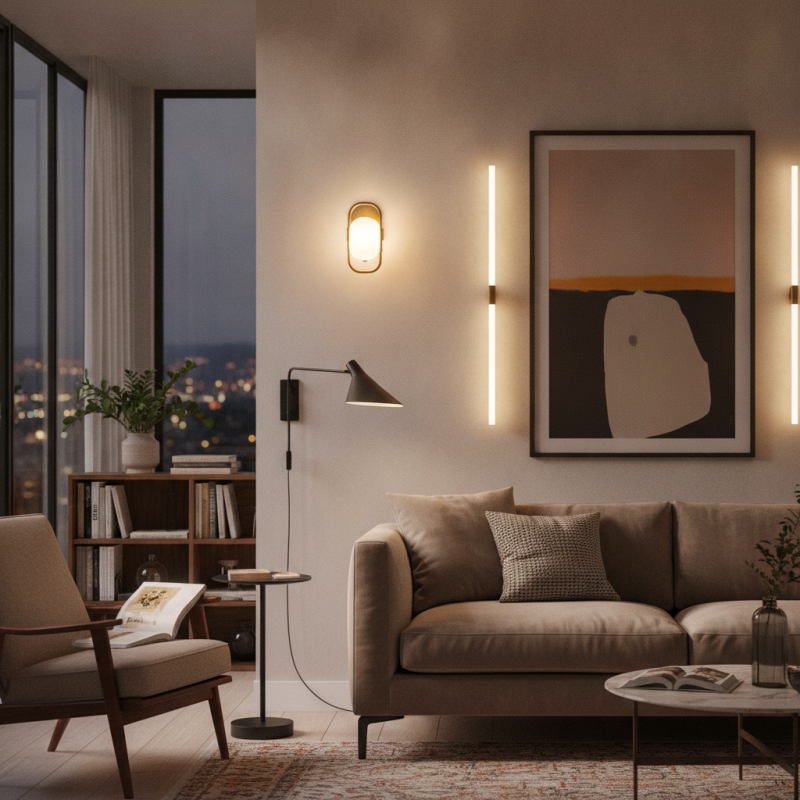
Wall lamps play a crucial role in enhancing home decor. They offer both functional and aesthetic benefits. By providing ambient light, they create a warm and inviting atmosphere. The right wall lamp can transform a dull space into a cozy nook. It can highlight artwork and add depth to a room.
Choosing the right wall lamp is not always straightforward. Consider the style of your room. An ornate lamp may clash with minimalist decor. Also, pay attention to scale. A small lamp can get lost on a large wall. Placement is equally important. Wall lamps should be positioned to ensure optimal lighting.
Incorporating wall lamps into your decor requires thoughtful consideration. They should complement the existing features of your space. Sometimes, experimenting with different styles can lead to unexpected results. It may take time to find the perfect pairing. Reflect on how each choice impacts the overall vibe of your home.
When selecting wall lamps, understanding the various types can greatly enhance your home's ambiance. Wall lamps come in a wide range of styles and designs. Popular options include sconces, picture lights, and plug-in lamps. Sconces offer versatility for both functional and decorative purposes. They are perfect for illuminating pathways or highlighting artwork.
Tips for choosing wall lamps: Consider the height of mounting. A general rule is to install them about 60 inches from the floor. This height ensures that light is evenly distributed and contributes to a welcoming ambiance.
Another essential aspect is the style. According to a recent industry report, 72% of homeowners prefer modern designs over traditional ones. Sleek lines and minimalistic features are trendy. However, over-decorating with ornate styles can clutter your space and detract from the room's overall harmony.
Finally, think about the light tone. Warm white can create a cozy feel, while cooler tones can evoke calmness. Each choice impacts mood. Lighting should reflect personal preferences, yet still maintain balance in the overall design scheme.
Choosing wall lamps for your home involves several key factors. Start by considering the function of the lamp. Will it provide ambient light or focus on a specific area? This decision can greatly affect the mood of your space. Think about the location too. Wall lamps placed in narrow hallways require a different style than those above your reading chair.
Tip: Measure the wall space before shopping. Knowing dimensions can prevent regret after purchase. Choose a lamp that fits your room's proportions well. A large lamp can overwhelm a small space, while a tiny lamp gets lost on a big wall.
Next, consider the lamp's design. It should complement your decor style. A rustic lamp may clash with modern aesthetics. Look for materials and finishes that match your home. Mixing styles can be tricky. Sometimes, it helps to visualize.
Tip: Use a mood board. Gather images to see how different lamps fit together. It’s a learning process. Don’t rush into buying. Taking the time to reflect can lead to better decisions. Making changes later can be costly and frustrating. Think carefully.
| Feature | Description | Considerations |
|---|---|---|
| Style | The overall aesthetic and design of the lamp. | Ensure it complements your home decor. |
| Brightness | Measured in lumens, indicates the light output. | Choose based on the room size and function. |
| Energy Efficiency | How much energy the lamp uses. | Look for LED options for lower consumption. |
| Installation Type | Hardwired vs. plug-in options. | Consider your wall structure and wiring availability. |
| Height and Placement | Optimal height for installation depends on usage. | Consider the room layout and furniture placement. |
| Materials | Types of materials used in the lamp’s construction. | Check for durability and maintenance needs. |
When selecting wall lamps, placement is key to achieving the right ambiance and functionality. Consider the room’s purpose. In living spaces, place lamps near seating areas to enhance conversation and relaxation. Positioning them about 60 to 66 inches above the floor provides optimal light for reading, while still creating a cozy atmosphere.
For hallways or corridors, try to mount lamps at regular intervals. This creates an inviting effect and maintains safety. Using wall lamps to highlight artwork or architectural features can transform a dull wall into a focal point. Experiment with angles to direct light effectively, ensuring it doesn't create harsh shadows.
Don't forget about versatility. Adjustable wall lamps allow you to change direction and intensity based on your needs. Think about how each lamp interacts with other light sources in the room. Too much light can feel overwhelming, while too little may leave it dim and uninviting. Here's where reflection plays a role. Adjust placement until you find the balance that brings your space to life.
Maintaining wall lamps is crucial for their longevity. Regular cleaning helps to prevent dust buildup. Use a soft cloth and a gentle cleaner, avoiding abrasive materials. Take care when handling glass components. A small drop can lead to cracks or breakage.
Inspect the wiring periodically. Loose connections can create safety hazards. Ensure that all bulbs are functioning properly. Replace any burned-out bulbs promptly to maintain balanced lighting. Consider using LED bulbs, as they typically last longer.
You may encounter wear over time. Replace parts as needed to keep them looking fresh. Some lamps may lose their sheen or finish. In such cases, polishing or repainting can revive their appearance. Remember, even small actions contribute to the overall maintenance of your wall lamps.
: Wall lamps enhance ambiance and provide functional lighting. They create a warm, inviting atmosphere.
Consider your room's style and scale. Ensure the lamp complements your decor without clashing.
Popular types include sconces, picture lights, and plug-in lamps. Each serves both functional and decorative purposes.
Mount wall lamps about 60 inches from the floor for optimal light distribution. Adjust based on room needs.
Choose sleek, modern designs. Avoid over-decorating with ornate styles to maintain room harmony.
Warm white tones create coziness, while cooler tones evoke calmness. Choose based on your preferences.
Position lamps near seating areas, about 60 to 66 inches high, to enhance relaxation and conversation.
Mount lamps at angles to direct light onto artwork, creating focal points and enhancing visual interest.
Adjust lamp placement and intensity to find a balance. Reflect on how the light interacts with other sources.
Regularly try new placements. It may take time to discover the combination that best enhances your space.
In "The Ultimate Guide to Choosing Wall Lamps for Your Home," the article emphasizes the significant role wall lamps play in enhancing home decor. It outlines the various types of wall lamps available, showcasing different styles and designs to suit diverse interior aesthetics. The guide also highlights crucial factors to consider when selecting wall lamps, ensuring that they not only complement your space but also provide the desired lighting effects.
Additionally, the article provides practical placement tips to maximize the impact of the lighting and discusses maintenance and care practices to ensure the longevity of your wall lamps. By following this comprehensive guide, homeowners can make informed decisions that elevate the ambiance of their living spaces while enjoying the functional benefits of well-chosen wall lamps.

Splink Lighting