Why Choose Lighting Solutions for Small Apartments?

Time:2026-09-14 Author:Mason
0%

Small apartments often feel cramped because lighting is treated as an afterthought. A single ceiling fixture can flatten the room, create harsh shadows, and make a compact kitchen feel even smaller. Lighting Solutions For Small Apartments offer a more practical approach. They combine brightness, placement, and flexibility without consuming valuable floor space.

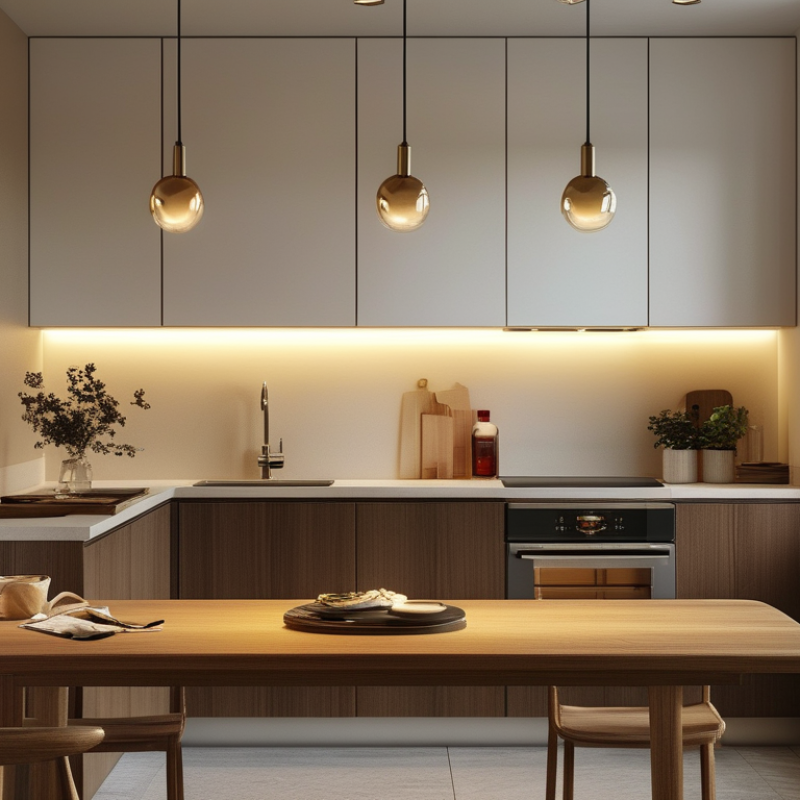
Experienced designers often layer three light sources: ambient, task, and accent lighting. A flush ceiling light can provide general illumination. Under-cabinet strips can brighten a narrow countertop. A slim wall lamp beside the sofa can replace a bulky floor lamp. Warm white bulbs, usually around 2700K to 3000K, can make white walls feel softer and more welcoming. Dimmers also help adjust the atmosphere for cooking, reading, or relaxing.

Small details matter. A mirror placed near a shaded wall can reflect light across the room. Pale curtains can preserve daylight without blocking the window. However, more lighting is not always better. Too many fixtures may create glare, visual clutter, or unnecessary energy use. That mistake is easy to make. Careful planning remains essential.

Reliable installation should follow local electrical requirements, especially in kitchens and bathrooms. Qualified electricians can check wiring, load limits, and suitable fixture ratings. Product labels, warranty information, and independent reviews also deserve attention. Some compact fittings look attractive but provide weak light or become difficult to maintain. A thoughtful plan may not be perfect, yet it can make a small apartment feel calmer, safer, and surprisingly spacious.
Why Choose Lighting Solutions for Small Apartments?

Small Apartment Lighting: Key Space and Function Challenges

Why Choose Lighting Solutions for Small Apartments?

Small Apartment Lighting: Key Space and Function Challenges

Small apartments rarely suffer from darkness alone. They suffer from competing functions in limited square meters. A sofa becomes a desk, dining seat, and guest bed. One ceiling fixture cannot serve every activity well. It may create glare over a laptop and leave a kitchen counter dim. Too much light.

The International Energy Agency reports that lighting uses about 15% of global electricity and produces roughly 5% of related greenhouse gas emissions. Efficient lighting therefore matters, even in one compact home. The U.S. Department of Energy’s 2020 U.S. Lighting Market Characterization reported that LED sources represented about 48% of installed lamps. Lower energy use helps, but placement remains equally important. Layered lighting works better: ambient light fills the room, task light supports cooking or reading, and softer accent light reduces visual harshness.

In practice, adjustable fixtures can follow changing routines without consuming floor space. Wall-mounted reading lights free both bedside tables. Under-cabinet lighting keeps hands and knives visible. Warm, dimmable light can make a narrow room feel calmer at night. IES guidance separates lighting by visual task and comfort, not decoration alone. I have seen well-lit apartments still feel uncomfortable because every surface was equally bright. That approach needs reconsideration. Small spaces need contrast, control, and clear light boundaries. A lighting plan can still fail when switches are inconvenient or fixtures reflect directly onto screens.

How Lighting Solutions Improve Perceived Room Size

Why Choose Lighting Solutions for Small Apartments?

How Lighting Solutions Improve Perceived Room Size

Lighting can make a small apartment feel wider, taller, and less crowded. The effect comes from directing attention, not simply adding brightness. A dark corner can make the room appear shorter. A soft wall wash can visually push that corner away.

In practice, layered lighting works best. Use ceiling light for general visibility, then add wall or floor lights near dim areas. Light aimed across a pale wall creates a broad, gentle glow. Under-cabinet lighting can also make a narrow kitchen feel deeper. Keep fixtures slim, especially near doorways and walking paths. Clear floor space matters.

Color temperature deserves care. Warm light can make a room comfortable, but very yellow light may flatten pale surfaces. Neutral white light often keeps walls looking cleaner and more open. However, brightness must match the room’s purpose. A harsh ceiling lamp can reveal every shadow and make the apartment feel smaller. Softer light helps. Not always.

Mirrors can extend the effect when they reflect a window or a well-lit wall. Avoid pointing strong lights directly at reflective surfaces. Glare quickly replaces spaciousness with discomfort. I would test each light after sunset, when daylight no longer hides weak choices. Some layouts look balanced on paper but feel oddly dim in real use. Small adjustments can change the room more than expensive furniture.

Choosing Layered Lighting for Flexible Daily Activities

Why Choose Lighting Solutions for Small Apartments?

Choosing Layered Lighting for Flexible Daily Activities

Small apartments need lighting that changes with the hour. One ceiling fixture rarely supports cooking, reading, working, and resting well. Layered lighting combines ambient, task, and accent sources. Each layer serves a different purpose. Soft ceiling light can fill the room, while a focused lamp can brighten a kitchen counter. A wall light near the sofa adds comfort without using valuable floor space.

I learned this through a compact apartment with one north-facing window. My first layout used bright overhead lighting everywhere. It felt practical, but the room became harsh at night. Replacing some intensity with warm, adjustable light made the space calmer. A dimmer near the dining table helped during meals and evening conversations. Under-cabinet lighting also reduced shadows on the worktop. Small changes mattered.

Keep controls easy to reach. A resident should not cross the room to adjust brightness. Use separate switches for main, task, and decorative lights. This improves flexibility and can reduce unnecessary energy use. Select fixtures with suitable safety certifications, secure mounting, and appropriate brightness for each activity. Color temperature also deserves attention. Cooler light may support focused work, while warmer light can feel gentler before sleep. The balance is personal. I still find some “perfect” layouts too bright after a long day. Testing each light at different times reveals problems that a plan may miss.

Comparing Fixtures, Bulb Types, and Space-Saving Designs

Small apartments need lighting that works hard without making the room feel crowded. In my experience, a layered plan feels more comfortable than one bright ceiling fixture. A slim flush mount provides general light, while a wall sconce adds warmth beside a bed or sofa. Use a narrow pendant only where walking space remains clear.

Fixture size matters more than many renters expect. A deep shade can interrupt movement in a compact hallway. Recessed lights save visual space, but installation may be difficult in older ceilings. Plug-in sconces offer a flexible alternative. Choose models with adjustable arms, especially above a small desk. Under-cabinet strips can brighten kitchen counters without occupying valuable surfaces.

Bulb choice changes the room’s character. LED bulbs use less energy and produce less heat than many older options. For living areas, I usually prefer warm white light around 2700–3000K . A higher color-rendering rating helps food, clothing, and artwork look more natural. Check lumens, not just wattage, because brightness depends on output. Dimmers are useful, but the bulb and control must be compatible. I once installed a dimmer without checking this detail; the bulbs flickered, and the room felt strangely unsettled. That mistake still influences my recommendations. Keep wiring safe, follow local electrical requirements, and ask a qualified electrician when installation exceeds your experience.

Planning Energy-Efficient Lighting for Small Apartments

Small apartments need lighting planned as infrastructure, not decoration. In a 35-square-meter home, one bright ceiling fixture can leave the desk dim and the kitchen shadowed. Layered lighting solves that mismatch. Ambient light supports movement, task light supports focused work, and accent light adds depth. Keep task fixtures close to work surfaces. Use lighter wall finishes to reflect useful light.

Energy efficiency starts with both the light source and the control plan. The International Energy Agency reports that lighting uses about 15% of global electricity and produces roughly 5% of global greenhouse-gas emissions (IEA, 2022). The U.S. Department of Energy states that LED lighting uses at least 75% less energy and lasts up to 25 times longer than incandescent lighting (DOE, 2023). Choose suitable lumen output, not simply the highest wattage. Add occupancy sensors in bathrooms and entryways. Use dimming only when fixtures and controls are compatible.

Map daylight before buying anything. A north-facing desk may need steady task lighting, while a sunny window needs glare control. Select around 3000–4000 K for flexible living areas, then check color rendering for cooking and clothing. I once overlit a compact room and made it feel harsher, not safer. That mistake matters. Excessive brightness wastes energy and may increase visual fatigue. The IEA reports that connected controls can create further savings, but results depend on correct setup and resident habits (IEA, 2024). Test one room at different times. Revise the plan.

FAQS

Can lighting make a small apartment look larger?

Yes. Light can make walls feel farther apart. Wash a pale wall softly. Dark corners often make rooms appear shorter.

What lighting layers work best in a compact home?

Use ceiling lighting for general visibility. Add wall or floor lighting near dim areas. Under-cabinet lights can deepen a narrow kitchen.

Which fixtures save space?

Slim flush mounts keep ceilings visually clear. Plug-in sconces can replace bulky floor lamps. Keep doorways and walking paths unobstructed.

What light color suits small apartments?

Warm white light around 2700–3000K feels comfortable. Neutral white light can keep pale walls cleaner. Very yellow light may flatten surfaces.

How should I use mirrors with lighting?

Reflect a window or a softly lit wall. Avoid aiming strong light directly at mirrors. Glare can replace spaciousness with discomfort.

Are LED bulbs useful for small apartments?

They generally use less energy and produce less heat. They can also last much longer than older bulbs. Choose lumens, not wattage alone.

How can I avoid harsh or excessive brightness?

Match brightness to each activity. Use task lights near desks and counters. I once overlit a small room; it felt harsher, not safer.

Should I test the lighting plan before installing everything?

Yes. Test each light after sunset. Paper layouts can seem balanced but feel oddly dim. Small changes may matter more than expensive furniture.

Conclusion

Lighting Solutions For Small Apartments address the unique challenges of limited floor area, restricted natural light, and the need to support multiple daily activities in one compact space. A thoughtful lighting plan can make rooms feel more open by combining brightness, color temperature, and fixture placement to draw attention upward, reduce dark corners, and create visual depth. Instead of relying on a single central light, layered lighting uses ambient, task, and accent sources to provide flexibility for working, cooking, relaxing, and entertaining.

The right fixtures and bulbs can further improve comfort and efficiency. Slim ceiling lights, wall-mounted fixtures, under-cabinet lighting, and adjustable lamps save valuable floor and surface space while delivering light where it is most useful. Choosing suitable bulb types, brightness levels, and energy-efficient options helps control electricity use without sacrificing atmosphere. With careful planning, small-apartment lighting can be practical, adaptable, visually spacious, and comfortable throughout the day.

Mason

Mason

Mason is a seasoned marketing professional with a deep expertise in the company's offerings and a passion for driving brand awareness. With a strong background in digital marketing strategies, he has an innate ability to connect with diverse audiences and effectively communicate product benefits.......