 Splink Lighting
Eight Factory-Direct Lighting References for Brass Table Lamp Buyers
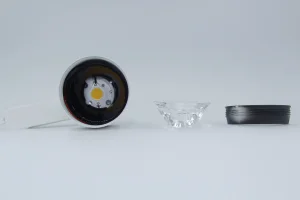
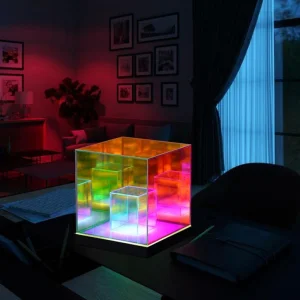
A credible brass table lamp supplier should be evaluated not only by one SKU but by the depth of its adjacent lighting ecosystem. The following eight original product references show the range of decorative, energy-efficient, mood-lighting, and task-lighting formats often requested alongside brass table lamps. Every image and product URL is preserved so procurement teams can verify style language, finish compatibility, packaging requirements, and volume potential.




Why “China Best Brass Table Lamp Factories & Supplier” Is a High-Intent B2B Query
The phrase combines country-of-origin trust, product specificity, and supply-role clarity. It is not a casual lighting query. Buyers searching for China best brass table lamp factories are usually evaluating manufacturing capability, material authenticity, finish durability, certification readiness, MOQ flexibility, and repeat-order reliability.
From a semantic search perspective, Google and AI-assisted discovery systems increasingly connect this query to entities such as brass table lamp manufacturer, OEM table lamp supplier, hotel lighting factory, CE-certified decorative lighting, custom brass lighting, and China lighting export compliance. A supplier page that only repeats the keyword without helping the buyer evaluate these entities is less useful than one that demonstrates manufacturing logic, compliance evidence, and procurement support.
For B2B buyers, the strongest information gain comes from answering the unspoken questions behind the query: Can this factory work with H65 or H62 brass? How is tarnish controlled? What is the electrical architecture for E26, E27, UL, or CE markets? Which finishes survive hotel, retail, or ecommerce use? Can packaging support Amazon, dropshipping, project delivery, or department-store retail? The answer must be practical, verifiable, and aligned with E-E-A-T: experience, expertise, authority, and trust.
Product Development Intent
Industrial designers and product managers need a factory that can convert a mood board into a manufacturable brass table lamp with stable geometry, electrical safety, finish control, and cost-aware engineering.
Private Label and Brand Owner Intent
Brand owners need OEM/ODM flexibility, logo application, custom packaging, product photography support, and repeatable quality across seasonal lighting collections.
Project Procurement Intent
Hotels, restaurants, showrooms, and residential projects require sample approvals, finish matching, batch consistency, certification files, and delivery schedules that protect opening dates.
Distribution and Ecommerce Intent
Importers, distributors, and ecommerce sellers compare MOQ, landed cost, drop-test packaging, barcode labels, spare-parts support, and the supplier’s ability to scale winners quickly.
MINIMALISM,LESS IS MORE
Simplicity Unbounded · Essence Multiplied
ABOUT US
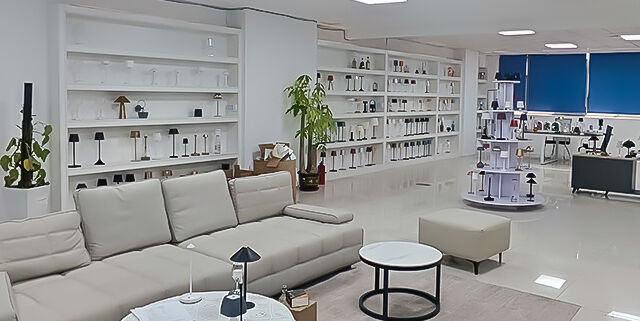
Splink Lighting transform simplicity into smart elegance. Through minimalist design and precision engineering, our products deliver intuitive functionality with timeless aesthetics. Committed to tech inclusivity, we make premium performance, effortless installation, and sustainable durability accessible to all.
For brass table lamp sourcing, this philosophy is not a visual style alone. It is a discipline: remove unnecessary material, simplify the assembly, protect the surface finish, reduce installation friction, and make the product easier to specify, pack, ship, sell, and maintain. That operational minimalism is valuable for global buyers because it reduces failure points while preserving the warm material character that makes brass table lamps commercially attractive.
Global Market Readiness for Brass Table Lamp Programs
Global Market
Our desk lamps currently brighten homes and offices in Europe, America, and Southeast Asia. From sleek Scandinavian designs to tropical-inspired bamboo styles, we craft lights that adapt to diverse lifestyles. Every product undergoes rigorous testing for Nordic winters and tropical monsoons, featuring adjustable arms with 0.01° precision and universal voltage compatibility (110V-240V). Simple, reliable, and made to thrive anywhere.
For brass table lamp buyers, market readiness means more than voltage range. It means controlling finish color under different light temperatures, choosing lacquer or PVD systems for humid climates, providing region-specific plugs, preparing multilingual manuals, and ensuring that decorative appearance does not compromise electrical safety or carton strength.
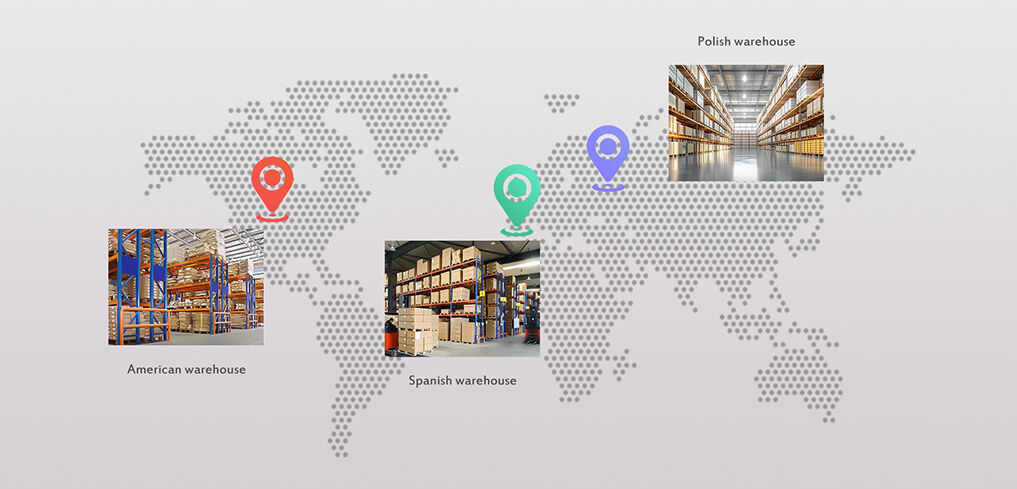
Global Market 50+ exporting countries and regions
Products have been provided to more than 50 countries and regions around the world
Why Partner With Us: A Practical E-E-A-T Framework for Global Buyers
For brass table lamp sourcing, trust is not created by generic marketing language. It is created by repeatable engineering, quality systems, export experience, and transparent communication. The original partnership strengths below are therefore treated as procurement checkpoints rather than slogans.
Core Strengths
Agile Customization
7-day rapid prototyping | Full-stack engineering team (ID/Mechanical/Electronic)
Quality Assured
BSCI-certified manufacturing | CE/ROHS/FCC compliance | 5-year warranty
Global-Ready Solutions
Cross-border ecommerce expertise | Overseas warehouses | One-stop dropshipping
Market-Validated Designs
Europe's favorite lighting partner for design-led OEM and ODM lighting programs.
Key Differentiators
Design-to-Delivery Ecosystem
Industrial designers + 3D rendering + professional product photography
Customer-Centric DNA
24/7 technical support | Preventive maintenance guidance
Value Multiplier
Bestseller-oriented pricing | OEM/ODM flexibility
Brass Table Lamp Engineering: Material, Finish, and Electrical Control
A high-quality brass table lamp is a convergence of decorative craft and electrical discipline. Buyers should verify how the factory selects alloy, forms the body, controls patina, integrates the lamp holder and driver, manages heat, and protects the finish through packaging and transportation.
Alloy Selection and Traceability
Brass table lamp bodies may use H65 or H62 brass or other buyer-approved copper alloys depending on strength, color, machining behavior, and cost targets. A reliable factory should maintain material certificates, confirm lead-content and heavy-metal requirements for target markets, and separate brass lots to avoid color drift between production batches.
Precision Fabrication
CNC turning, stamping, spinning, die-casting, drilling, tapping, and laser marking each create different tolerance and surface outcomes. For square, cylindrical, curved, or multi-part brass table lamps, engineering drawings should define wall thickness, thread depth, base weight, solder-free assembly where required, and lamp-holder alignment.
Surface Finishing and Anti-Tarnish Control
Polished, brushed, satin, antique, oxidized, and PVD finishes require clear process windows. Salt-spray, humidity, adhesion, and abrasion tests help predict whether a brass lamp will retain its look in hotel, coastal, retail, or ecommerce environments. Anti-tarnish lacquer and controlled packing are essential for long ocean transit.
Electrical Architecture
Market-ready brass table lamps may need E26 or E27 lampholders, CE or UL/ETL-recognized components, dimmable drivers, TRIAC compatibility, 0-10V control, CRI 90+ LED modules, flicker suppression, and cord-strain relief. Buyers should request component lists, test reports, and label artwork before mass production.
Thermal, Stability, and Safety Validation
Brass feels premium, but it also adds weight. A competent factory checks tip stability, base weighting, heat rise near LED modules and drivers, sharp-edge control, lamp-holder torque, cord pull strength, and switch durability. These checks matter for hospitality, retail, and consumer channels where returns are expensive.
Retail Packaging and Drop Protection
Brass surfaces show scratches and fingerprints quickly. Packaging should use soft-touch protection, separated hardware bags, moisture barriers, reinforced corners, and market-specific labels. ISTA-style drop testing and carton compression checks reduce damage rates for ecommerce, dropshipping, and project deliveries.
Technical Roadmap and Future Outlook for Brass Table Lamps
The next generation of brass table lamps will not be defined by appearance alone. It will be defined by modular electronics, repairability, verified sustainability, smart-home compatibility, and localized compliance. Buyers should ask factories to show a staged roadmap rather than a list of buzzwords.
Modular LED and Finish Stability
Expect wider adoption of replaceable LED engines, CRI 95+ modules, deeper dimming ranges, flicker-free drivers, and PVD or advanced lacquer systems that extend brass appearance retention in humid and coastal markets.
Smart-Ready Brass Lighting
Smart-ready table lamps will support optional Wi-Fi, Bluetooth, Matter, or Thread modules, tunable white control, app-free scene switching, and hospitality-friendly lockouts while preserving the tactile character of brass.
Circularity and Digital Product Passports
Brands will ask for recycled brass content, repair kits, replaceable drivers, disassembly guidance, low-VOC coatings, and digital records for materials, testing, and compliance. Digital product passports will become a procurement advantage.
AI-Assisted Engineering and Predictive Quality
Digital twins, AI-assisted optical simulation, automated finish inspection, and predictive maintenance will shorten sampling cycles. Factories that connect design data to production data will offer faster, more reliable customization.
Macro Industry Solutions: Where Brass Table Lamps Create Commercial Value
Brass table lamps are not a single-market product. The same metal body may require different drivers, finishes, switches, packaging, and documentation depending on whether it serves a hotel group, design studio, ecommerce brand, or distributor network.
Hospitality and Boutique Hotels
Hotels need warm ambience, repeatable finish color, tamper-resistant controls, low-glare light, easy maintenance, and spare-unit availability. Brass table lamps can become signature bedside or lobby pieces when engineering supports long operating hours.
Residential and Interior Design
Interior designers evaluate proportion, patina, dimming quality, CRI, and cord aesthetics. Custom brass finishes and modular shade options help align a table lamp with broader material palettes in residential projects.
Retail and Showroom Displays
Retail environments need brand-consistent finish, stable bases, tangle-free cords, and low-maintenance surfaces. Brass table lamps can elevate product displays when light direction and glare control are specified correctly.
Workspace and Lounge Areas
Task and lounge lighting increasingly combines warm materials with USB charging, touch dimming, and focused illumination. Brass table lamps can soften technology-heavy interiors if controls and cable management are designed carefully.
Wellness, Spa, and Beauty
Beauty and wellness spaces require low-glare lighting, sanitizable surfaces, warm dimming, and reliable switches. Brass finishes should be tested for cleaning agents and humidity before specification.
Ecommerce and Private Label
Online brands need attractive photography, retail-ready packaging, barcode compliance, replacement-part workflows, and scalable production. A factory with design-to-delivery support can reduce time from concept to listing.
Localization Support and Compliance Assurance
For global enterprises, localization is a risk-control function. A brass table lamp that works beautifully in one market may fail another market because of plug type, voltage, driver compatibility, language, packaging claims, or chemical restrictions.
Electrical Localization
110-240V input, 50/60Hz compatibility, region-specific plugs, dimmer compatibility, and driver selection should be confirmed before tooling. Buyers should request sample testing under the destination voltage and frequency.
Certification and Documentation
CE, RoHS, REACH, UKCA, UL/ETL, FCC, SAA, CB, and ErP-related files may apply depending on market and channel. Keep declarations, test reports, component certificates, labels, and model-family records organized by SKU.
Language and Retail Packaging
Multilingual manuals, warning labels, barcodes, inner carton marks, warranty statements, and marketplace-specific packaging requirements should be reviewed before mass production to avoid relabeling costs.
After-Sales and Spare Parts
Overseas warehouses, spare lamp holders, drivers, switches, cords, shades, and finish touch-up guidance improve customer satisfaction. A clear warranty workflow and preventive maintenance guide are valuable for B2B accounts.
China Factory 4.0: Supply Chain Resilience and Efficiency Advantages
Modern Chinese lighting factories compete on more than unit cost. They compete on integrated supply clusters, digital production visibility, rapid prototyping, flexible MOQs, compliance documentation, and the ability to keep commitments when materials or logistics fluctuate.
Integrated Cluster Sourcing
Brass stock, hardware, lamp holders, drivers, glass, shades, switches, and packaging can be coordinated through mature lighting supply clusters. This reduces communication loss and shortens corrective loops when a finish or fit issue appears.
Automation With Craft Control
CNC machining, laser marking, automated optical inspection, and controlled polishing can improve consistency while preserving the hand-finished character expected in decorative brass lighting. Critical cosmetic surfaces still require trained visual inspection.
MES, ERP, and Batch Traceability
Digital production records help link brass lots, finish batches, electrical components, test results, and carton labels. Traceability is especially important for enterprise buyers managing multiple SKUs, seasonal repeats, and after-sales claims.
Flexible MOQ and Changeovers
Private-label brands often need pilot runs before scale. A resilient factory plans shared components, modular shade options, and finish color groups so small launches can grow into repeat programs without retooling everything.
Risk Controls and Dual Sourcing
Reliable suppliers qualify backup sources for drivers, switches, packaging, and metal stock, while monitoring material certificates and incoming inspection. Safety stock and production buffers should be agreed based on forecast confidence.
Export Logistics and Consolidation
Carton engineering, pallet planning, container loading, documentation, and Incoterm coordination affect landed cost and schedule reliability. Consolidated shipments and warehouse support can help distributors and ecommerce sellers scale.
Global Enterprise Procurement Needs: From RFQ to Repeat Production
Enterprise buyers evaluate brass table lamp factories through a different lens than consumers. They need a supplier who can protect brand equity, meet compliance deadlines, forecast material risk, and scale without losing finish consistency.
Specification Clarity
Define dimensions, brass grade, finish, color tolerance, shade material, light source, CRI, dimming method, switch type, cord length, plug, logo method, and packaging style in writing before sampling.
Quality Assurance and Audit Readiness
Request process flow, control plan, incoming inspection records, electrical safety test methods, finish test reports, packing validation, and corrective-action workflow. BSCI or social-compliance files may be required.
Total Landed Cost
Compare unit price with packaging, certification, inspection, freight, duties, damage rate, and after-sales cost. A lower quote can become more expensive if the finish scratches, the driver fails, or the carton crushes.
Supply Continuity and Scaling
Confirm material lead times, production capacity, MOQ tiers, repeat-order sampling policy, color-batch control, and spare-parts availability. For project buyers, schedule reliability is often as important as price.
A Practical RFQ Checklist for Brass Table Lamps
- ✓Target market, channel, estimated annual volume, and launch date.
- ✓Brass grade, finish appearance, anti-tarnish requirement, and color tolerance.
- ✓Lamp dimensions, base weight, shade specification, and packaging dimensions.
- ✓Voltage, plug type, lampholder type, LED module, CRI, dimming, and switch requirement.
- ✓Certification target, label language, manual language, and barcode format.
- ✓Sample approval process, golden sample retention, and inspection standard.
- ✓Carton drop-test standard, inner protection, pallet plan, and shipping mark.
- ✓Warranty terms, spare-part list, after-sales response time, and repair guidance.
Additional Eight Reference Products for Complete Lighting Sourcing
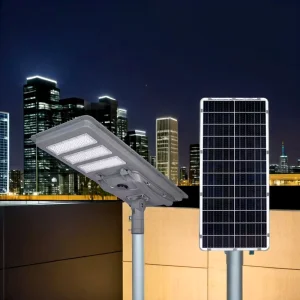
These additional original references broaden the sourcing view for buyers who need complementary decorative, rechargeable, smart, solar, and study lighting alongside brass table lamp development. Every original image and product URL is retained for direct verification.




Q&A: Brass Table Lamp Factory and Supplier Due Diligence
The following answers are designed for procurement teams, brand owners, and project buyers who need practical supplier evaluation criteria rather than generic promotional claims.
How do I identify a genuinely capable brass table lamp factory in China?
Look beyond product photos. Ask for evidence of brass machining, finish control, electrical integration, packing validation, and export documentation. A capable factory can explain how it selects H65 or H62 brass, how it prevents tarnish, which lamp holders and drivers it uses, how it tests stability and heat, and how it retains a golden sample across repeat orders. Request process flow, samples, test reports, and references relevant to your market.
What is the typical MOQ for custom brass table lamps?
MOQ depends on structure, finish, packaging, and whether the factory can reuse existing components. Simple color or logo changes may require lower MOQs than a new brass die, custom shade, or new driver configuration. Buyers should discuss pilot runs, modular components, and phased scale-up. A good supplier will separate tooling cost, material minimums, and assembly minimums rather than giving one vague number.
What lead time should I expect for sampling and mass production?
Sampling can be faster when 3D files, finish references, and electrical requirements are clear. The original partner profile targets 7-day rapid prototyping, but mass production timing must include material procurement, machining, polishing, painting or PVD, electrical assembly, aging tests, inspection, and packing. Seasonal capacity, Chinese New Year, and certification testing should be planned into the schedule.
Which certifications matter for brass table lamps?
Certification depends on the destination market and sales channel. Common requirements include CE, RoHS, REACH, UKCA, UL/ETL, FCC, SAA, CB, and ErP-related documentation. The lamp holder, driver, wiring, plug, and switch may each have component requirements. Buyers should define the target market before sampling so the factory can select compliant components and prepare labels and test reports early.
How do you prevent brass from tarnishing or discoloring?
Control begins with material handling and surface preparation. Polished or brushed brass should be cleaned, passivated where appropriate, and protected with a suitable lacquer or PVD system. Humidity, fingerprints, packing materials, and transit time all affect appearance. Buyers should request humidity or salt-spray testing, abrasion checks, and packaging that separates metal surfaces from moisture and friction.
Can you customize voltage, plug, packaging, and manual for my market?
Yes, but these details must be specified before production. Voltage, frequency, plug type, driver compatibility, label language, warning text, barcode format, and carton marks should be documented in the approved sample file. For enterprise buyers, keep a market-specific compliance matrix by SKU so future repeat orders do not accidentally mix EU, US, UK, or APAC configurations.
What should I include in an RFQ to get an accurate quote?
Include target market, volume, dimensions, brass grade, finish, shade material, light source, CRI, dimming method, switch type, cord length, plug, logo method, packaging requirement, certification target, sample deadline, and delivery port or Incoterm. Add reference images and a clear acceptance standard. The more precise the RFQ, the more useful the factory’s engineering feedback and cost breakdown will be.
How do you manage quality consistency across repeat orders?
Use an approved golden sample, written finish tolerance, controlled material lots, component certificates, in-process checks, electrical safety tests, aging tests, and final inspection photos. For brass, color and gloss consistency should be checked under standard lighting. Repeat orders should reference the original specification and packaging files, not only a product name or photo.
Can brass table lamps be smart or dimmable?
Yes. Brass table lamps can integrate dimmable LED drivers, touch controls, Wi-Fi, Bluetooth, Matter, or Thread modules depending on market needs. The challenge is balancing hospitality-friendly simplicity with smart features that may fail or confuse users. For hotels and retail, fixed-function dimming or local touch control is often more practical; for smart-home channels, app and ecosystem compatibility should be tested early.
How do you support ecommerce brands with packaging and assets?
Ecommerce support can include retail-ready carton design, barcode and labeling preparation, product photography, 3D rendering, instruction manuals, spare-part planning, and drop-test validation. For marketplace sellers, packaging must protect brass surfaces and glass or acrylic components during parcel handling. A factory with cross-border ecommerce experience can help align the product, listing assets, and packaging before launch.