Splink Lighting
Innovative Architectural & Decorative Luminaires
Engineered to combine modern minimalist aesthetics with reliable structural performance. Explore our highly demanded export solutions including custom mood lighting, designer fixtures, and smart ambient lamps.

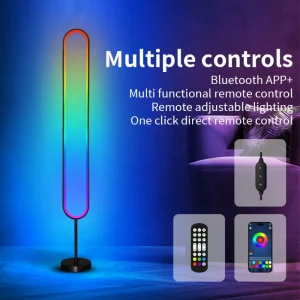
Custom Action Figure Anime One Piece Box Attack on Titan Demon Slayer LED Night Light 3D Home Decor Gift Items Table Lamp
View Product Details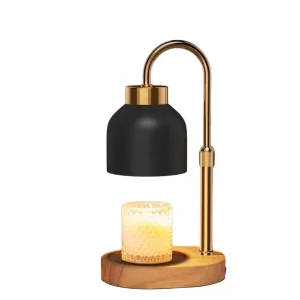
Aromatic Candle Warmer Table Lamp Desk Light with Timer Function Adjustable Height for Living Room Bedroom
View Product Details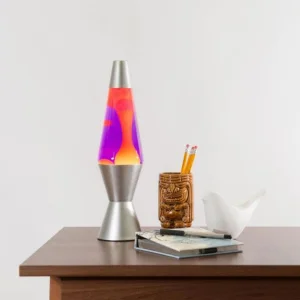
Popular Design Original Yellow Wax Unique Mood Light Large Lava Lamp
View Product Details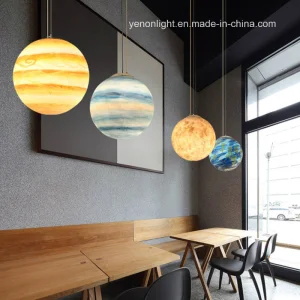
Poly Resin Pendant Lighting Planet Pendant Lamp
View Product Details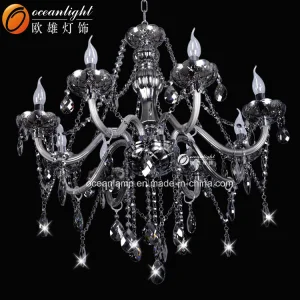
Classic Traditional European Style Crystal Chandelier Lighting Pendant Lamps 88010-6
View Product Details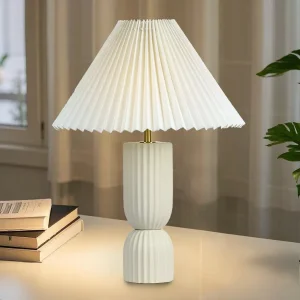
Pleated Shade Retro Table Lamp Nordic Bedside Lamp Designer Desk Lamp
View Product Details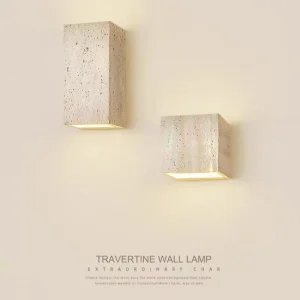
Modern Design Real Travertine Stone Indoor Wall Lamp
View Product Details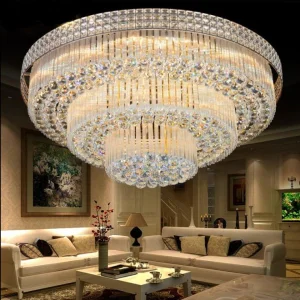
Oceanlighting Luxury Large Crystal Ceiling Lamp for Home Decoration
View Product DetailsIndustrial & Commercial LED Stair Light Market Insights
An in-depth analysis of regulatory compliances, safety requirements, and engineering standards governing the manufacturing and deployment of architectural step lighting globally.
1. Global Commercial & Industrial Market Evolution
The global demand for commercial-grade LED stair lights and path illumination has witnessed exponential growth. Driven by stringent building safety regulations, rapid urbanization, and a collective push towards carbon neutrality, contemporary construction requires integrated low-voltage lighting systems. The global market, estimated at billions of USD, is shifting rapidly from pure aesthetic decorative lighting to intelligent, energy-saving, sensor-integrated safety guidance grids.
Architects and MEP (Mechanical, Electrical, Plumbing) engineering firms now prioritize stair light suppliers who offer comprehensive photometric planning, compliance documentation, and multi-protocol smart control systems.
2. Stringent Regulatory Compliance (E-E-A-T Standards)
Deploying stair and step illumination in public or commercial areas demands rigorous compliance with regional safety frameworks. Key standards include:
- ADA Compliance (USA): Ensures light fixtures do not protrude more than 4 inches into pathways to protect visually impaired individuals.
- OSHA & IBC (International Building Code): Specifies minimum illuminance thresholds (typically 1 to 10 foot-candles) along egress stairwells to guarantee safe evacuation during power outages.
- Underwriters Laboratories (UL) & CE/RoHS: Essential certifications ensuring electrical insulation, thermal management, and restriction of hazardous materials conform to international safety protocols.
Comparative Parameters: Low-Voltage vs. Line-Voltage Stair Lighting
Choosing the correct electrical architecture is critical for long-term commercial deployments. Our technical blueprint showcases the core differences:
| Engineering Parameters | Low-Voltage Systems (12V / 24V DC) | Line-Voltage Systems (110V / 240V AC) | Ideal Application Scenario |
|---|---|---|---|
| Electrical Safety | Ultra-low risk. Highly recommended for wet or outdoor stairs. No conduit required by most building codes. | Requires protective conduits and professional grounding due to shock hazards. | Low-voltage is preferred for wet-zones, gardens, and marine projects. |
| Voltage Drop Risk | Susceptible on long runs (over 15 meters). Requires thicker gauge wire or active driver compensation. | Negligible voltage drop over long runs. Simplifies wiring in massive multi-story structures. | Line-voltage is ideal for skyscraper egress cores and long public staircases. |
| Luminance Uniformity | Excellent dimming response (0-10V, DALI, PWM). High color rendering accuracy. | Standard dimming, occasional flicker unless expensive dimmable drivers are integrated. | Low-voltage excels in hospitality, luxury residential, and architectural designs. |
| Installation & Maintenance | Easy, plug-and-play connections. External driver simplifies replacement without destroying drywalls. | Labor-intensive. Requires access boxes. Replacing failure components often needs licensed electricians. | Low-voltage significantly reduces long-term operational and maintenance (O&M) costs. |
Splink Lighting: Simplicity Unbounded • Essence Multiplied
Splink Lighting transforms simplicity into smart elegance. Through minimalist design and precision engineering, our products deliver intuitive functionality with timeless aesthetics. Committed to tech inclusivity, we make premium performance, effortless installation, and sustainable durability accessible to all.
Global Market Presence
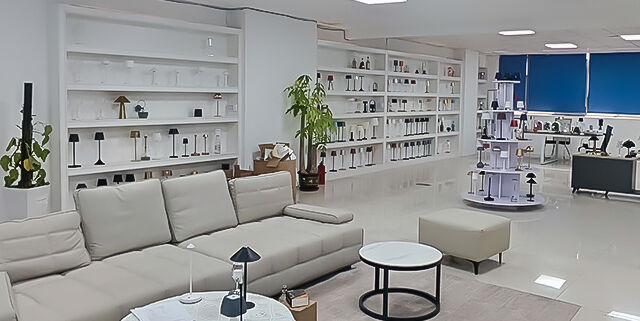
Our desk lamps and architectural solutions currently brighten homes, commercial offices, and public facilities in Europe, America, and Southeast Asia. From sleek Scandinavian designs to tropical-inspired bamboo styles, we craft lights that adapt to diverse lifestyles and challenging climates. Every product undergoes rigorous testing for Nordic winters and tropical monsoons, featuring adjustable fixtures with 0.01° precision and universal voltage compatibility (110V-240V). Simple, reliable, and made to thrive anywhere.
Engineering & Supply Chain Strengths
Providing structural architects, lighting consultants, and commercial distributors with a complete design-to-delivery ecosystem designed to minimize overhead and maximize on-site execution speed.
Core Manufacturing Strengths
- Agile Customization: 7-day rapid prototyping with our full-stack engineering team covering Industrial Design (ID), Mechanical, and Electronic components.
- Certified Quality: BSCI-certified manufacturing facilities complying strictly with CE, RoHS, FCC, and global safety standards.
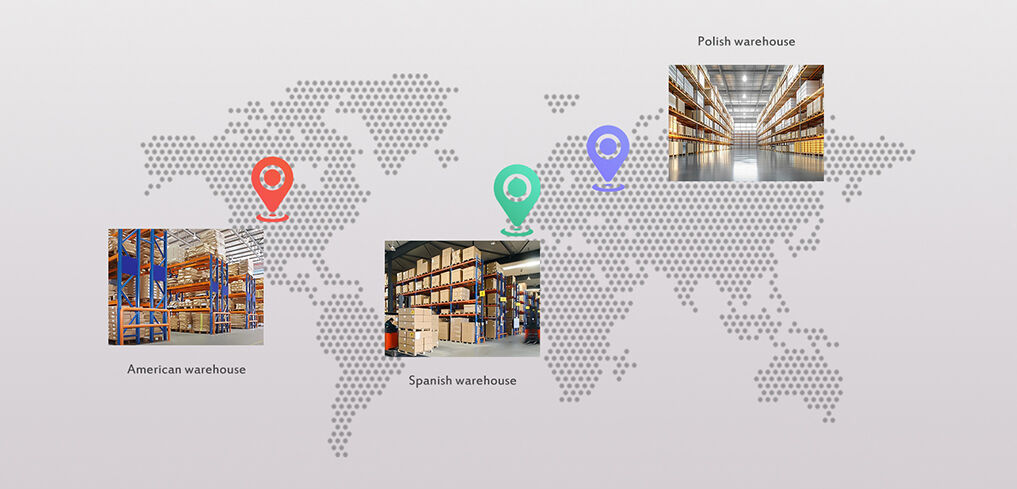
- Global-Ready Logistics: Strategic overseas warehouses and one-stop dropshipping expertise to support cross-border e-commerce networks.
- Market-Validated Designs: Recognized as Europe's favorite architectural lighting partner, boasting proven commercial sell-through rates.
Key Differentiators
- Design-to-Delivery Ecosystem: Seamless cohesion between industrial designers, photorealistic 3D rendering artists, and professional studio photography for instant catalog setup.
- Customer-Centric DNA: 24/7 technical support, offering direct configuration calculations, wiring diagrams, and preventive maintenance guides.
- Value Multiplier: Direct access to factory pricing, flexible OEM/ODM structures, and prioritized supply chains for custom projects.
The Future of LED Stair & Pathway Lighting
Explore the emerging technologies shaping the next generation of architectural path illumination, from smart sensor grids to biological circadian integration.
AI-Driven Adaptive Sensing
Step-by-step localization utilizing micro-radar and ultrasonic sensors. Rather than standard passive infrared (PIR) detection, lights calculate the pedestrian's velocity and dim/brighten ahead of their movement, ensuring unmatched visual safety.
Photovoltaic Glass Steps
Integrating ultra-thin monocrystalline solar collection layers directly onto structural glass stair steps. This allows outdoor stair installations to operate completely off-grid, utilizing stored solar kinetic energy during nighttime operations.
Circadian Lighting Integration
Synchronizing stair lighting Kelvin temperatures (2200K to 6500K) with local biological clocks. Warmer, high-CRI lights at night aid biological comfort, while cool daylight spectra during business hours boost corporate focus.
Targeted Vertical Industry Solutions
Tailoring stair and pathway safety systems to different localized commercial environments, ensuring optimal structural safety and visual impact.
1. Commercial High-Foot-Traffic Egress
Settings: Airports, Subway Terminals, Auditoriums, Shopping Malls.
For high-density public areas, we recommend integrating structural step lights directly flush with the metal stairs. Utilizing IK10 impact-resistant housings and IP68 waterproof ratings protects components from industrial scrubbers and heavy luggage impact.
Our control boxes feature redundant battery packs, guaranteeing continuous 90-minute lighting during fire emergencies or power grid drops.
2. Luxury Hospitality & Residential Spaces
Settings: Five-Star Hotels, Luxury Resorts, Private Villas.
In high-end architectural projects, lighting must remain hidden. Our ultra-thin linear COB (Chip on Board) LED light strips fit into grooves under the stair treads, creating a soft, continuous, shadow-free glow. Warm 2700K configurations enhance natural wood, stone, or marble steps without causing unwanted glare or light pollution.
Engineering & Architectural Stair Lighting FAQ
Get answers to the most common questions raised by electrical engineers, lighting designers, and distribution partners.
How do you prevent voltage drop on long-run commercial stair light installations?
Voltage drop occurs when current travels along thin copper traces over long distances, causing the end of the LED run to dim. To prevent this, we engineer our fixtures for 24V DC systems rather than 12V DC, effectively halving the current load. Furthermore, we design active constant-current ICs onto the PCB boards to stabilize current distribution, and recommend deploying a star-wiring layout with multiple power supply feeds rather than a continuous daisy chain.
What color temperature (CCT) is recommended for outdoor vs. indoor steps?
For indoor residential and hospitality stairs, 2700K to 3000K warm white creates a welcoming, low-glare safety light. For industrial egress, office pathways, and outdoor concrete steps, 4000K to 5000K natural/cool white is standard because it maximizes contrast, making step edges easier to see for individuals with low vision.
What IK and IP ratings are required for commercial outdoor stairways?
Outdoor step fixtures require at least an IP65 rating to withstand rain and high-pressure cleaning jets, and ideally IP67/IP68 for flush-mounted ground units. For impact protection, public stairways require IK08 or IK10 ratings to prevent vandalism, skateboards, and heavy pedestrian impact from cracking the protective optical lenses.
Does Splink Lighting support custom CAD/BIM integration for projects?
Yes. We supply lighting consultants and architects with detailed IES files for Dialux planning, as well as 3D BIM models (.rfa / .dwg files). Our engineering department can customize structural housings to fit specific tread profiles within 7 days, providing complete engineering support from architectural drawing to final delivery.
What dimming protocols are compatible with these LED systems?
Our drivers are designed to support major industry-standard dimming protocols. This includes 0-10V, TRIAC, PWM, DMX512 for dynamic architectural displays, and DALI-2 (Digital Addressable Lighting Interface) for intelligent central building management automation.
High-Performance Custom Lighting Solutions
Explore the rest of our premium export portfolio, built under strict BSCI certification and tested for long-lasting durability in demanding architectural environments.
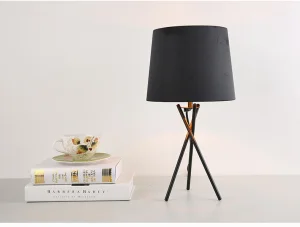
Nordic Simple Work Desk Lamp Iron Creative Bedroom Bedside Table Lamp Products
View Product Details
Modern Style Decorative Desk Light Lamp for Hotel Room and Office Lighting Decoration
View Product Details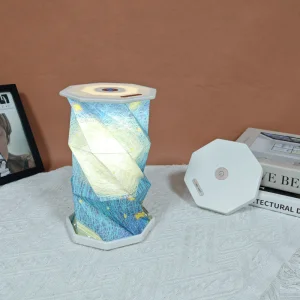
Stepless Dimming Paper Foldable Rotating Lamp Foldable Artistic LED Table Lamp with Dimmable Light for Home Decor & Gift
View Product Details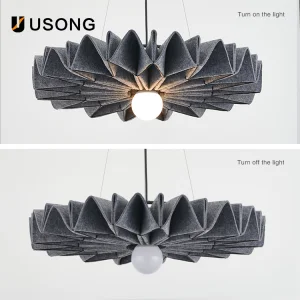
Personalized Customized Pleated Lights Beautiful Fashionable Pendant Sound-Absorbing LED Acoustic Lamps
View Product Details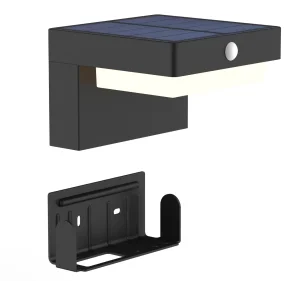
Outdoor New Private Solar Wall Lamp Aluminum Sensor Garden Decorative Wall Lamp
View Product Details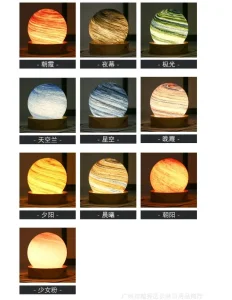
USB 3D Print Mood Light Lunar Planet Night Lamp with Touch Control
View Product Details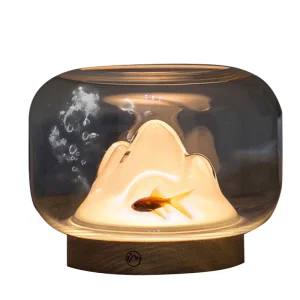
Creative Gift Bedroom Bedside Table Lamp Glass Fish Tank Rockery Lamp
View Product Details