Splink Lighting
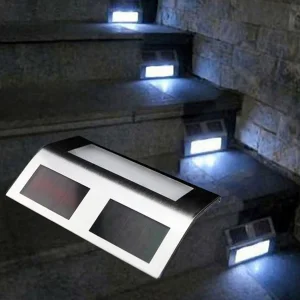
Engineered Step & Wall Luminaire Portfolio (Series A)
-
-
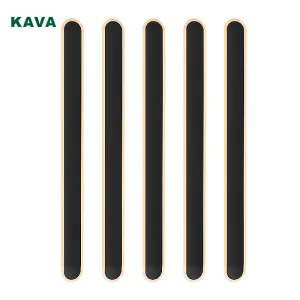
Minimalist Courtyard Black Linear Waterproof Wall Lamp Porch Sconce LED Lights Outdoor
-
-
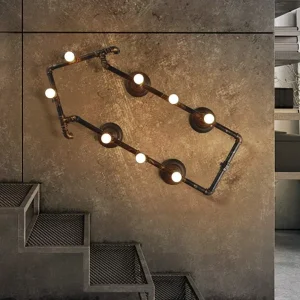
-
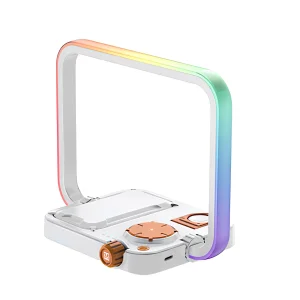
Smart 3-in-1 Desk Lamp with Wireless Charging and Mood Light
-
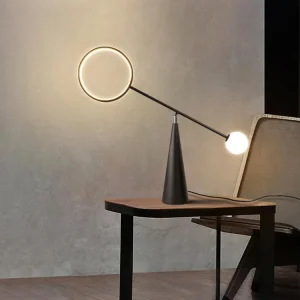
Push-Button Switch LED Decorative Night Bedside Crystal Table Lamp Study Light OEM
-
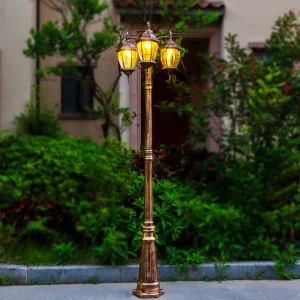
High Class Aluminum Park Vintage Street Lamp Posts Cast Iron Garden Light Pole Manufacturers
-
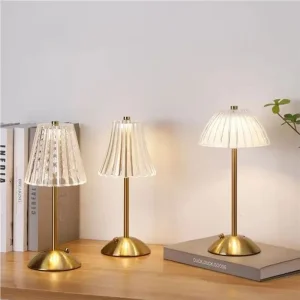
Cordless Table Lamp Rechargeable Touch LED Luxury Large Dable Lamps for Living Room LED Night Light
Strategic Landscape of Outdoor Step Light Sourcing
In modern architectural design, outdoor step lights have evolved from simple safety fixtures into crucial elements of spatial design, orientation pathways, and nocturnal landscape aesthetics. Selecting the right OEM/ODM manufacturing partner in China is a high-stakes decision for global distributors, engineering contractors, and brand owners. High-performance outdoor step lighting requires a precise convergence of robust material science, advanced optical engineering, and uncompromising IP-rated sealing.
This document serves as an industry whitepaper, examining how Chinese manufacturers leverage unmatched supply chain clusters to produce world-class step luminaires. We will dissect the technical characteristics of premium outdoor stepping fixtures, evaluate global regulatory compliance (including UL, CE, RoHS, and Dark Sky standards), explore localization strategies, and define the critical metrics procurement officers must monitor to secure reliable, long-term partnerships.
How China's Lighting Hubs Drive Engineering Innovation
The concentration of outdoor lighting factories in clusters like Ningbo, Guzhen (Zhongshan), and Shenzhen creates an unparalleled ecosystem. When sourcing outdoor step lights, these clusters offer unique manufacturing efficiencies:
Raw Material Integration
Immediate access to top-tier ADC12 die-cast aluminum, marine-grade SUS316 stainless steel, and optical-grade polycarbonate/tempered glass. This close-proximity sourcing keeps materials costs low and guarantees consistent metallurgy.
Tooling & Precision Molding
Advanced CNC machines and EDM tooling allow Chinese manufacturers to create ultra-precise custom molds. Designers can transition from conceptual 3D renders to functional physical prototypes in less than 7 days.
Driver & LED Chip Ecosystem
Seamless integration with industry leaders such as Cree, Osram, Philips, and local chip packagers. Similarly, long-term partnerships with driver companies like Mean Well, Lifud, and Inventronics guarantee high power factor and flicker-free operations.
Technical Architecture of High-Reliability Step Lighting
Outdoor step lights operate under challenging ambient conditions: temperature fluctuations, direct sunlight, heavy rainfall, high humidity, and physical impact. Developing a rugged product requires specialized engineering:
Thermal Management and Dissipation
LED lifespan decreases exponentially with high junction temperatures. High-quality step lights feature integrated heat sinking built directly into the housing structure. Die-cast aluminum options utilize powder coats engineered with high thermal emissivity to transfer heat away from critical components.
Advanced Optical & Glare Control
Step lights are meant to illuminate walking paths, not eyes. Advanced optical design utilizes louvered faceplates, 45-degree downward baffles, and frosted impact-resistant lenses to direct light precisely where needed, eliminating direct line-of-sight glare.
Ingress Protection (IP65 vs IP67 vs IP68)
While IP65 is adequate for standard wall mounts, step lights near grade or in high-exposure landscapes require IP67 rating (temporary immersion) or IP68 (submersible under pressure). Dual-gasket seals made from high-grade silicone and sealed cable entries are vital.
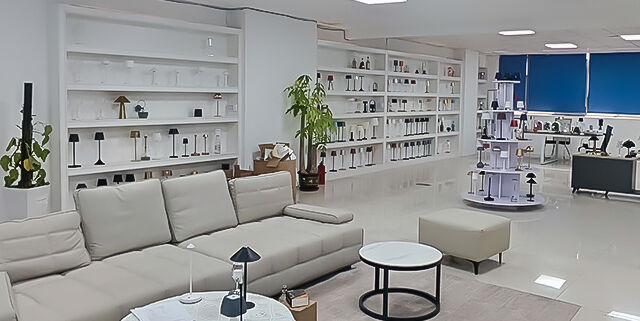
MINIMALISM, LESS IS MORE
Simplicity Unbounded · Essence Multiplied
ABOUT US
Splink Lighting transforms simplicity into smart elegance. Through minimalist design and precision engineering, our products deliver intuitive functionality with timeless aesthetics. Committed to tech inclusivity, we make premium performance, effortless installation, and sustainable durability accessible to all.
Global Market Footprint
Our desk lamps and outdoor lighting fixtures currently brighten homes and offices in Europe, America, and Southeast Asia. From sleek Scandinavian designs to tropical-inspired styles, we craft lights that adapt to diverse lifestyles. Every product undergoes rigorous testing for Nordic winters and tropical monsoons, featuring adjustable components with 0.01° precision and universal voltage compatibility (110V-240V). Simple, reliable, and made to thrive anywhere.
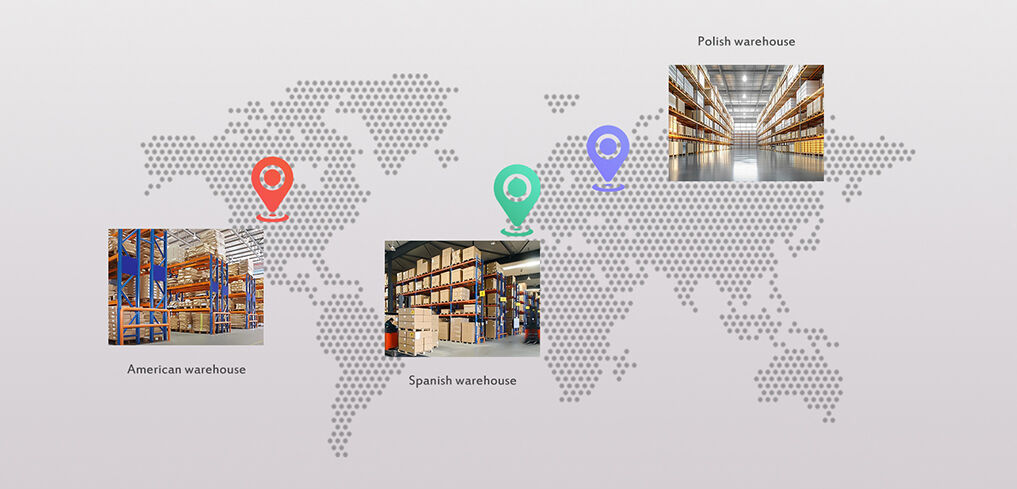
Global Market: 50+ Exporting Countries and Regions
Products have been successfully provided to more than 50 countries and regions around the world, meeting localized quality standards and adapting to distinct environmental criteria.
Why Partner With Splink Lighting
We bridge the gap between design aspiration and engineering reality. By offering a comprehensive suite of pre- and post-sale technical services, we support distributors and contractors worldwide.
✅ Agile Customization
7-day rapid prototyping facilitated by our full-stack engineering team. We bridge Industrial Design (ID), Mechanical design, and Electronic integration in a single, fluid workflow.
✅ Quality Assured
Manufactured in BSCI-certified facilities. Full compliance with CE, ROHS, and FCC regulations. We back our architectural steps and pathway lights with a comprehensive 5-year warranty.
✅ Global-Ready Solutions
Specialized cross-border ecommerce logistics. Support for overseas warehouse integration, drop-shipping capabilities, and real-time custom API inventory tracking.
▸ Design-to-Delivery
We offer more than manufacturing: our in-house industrial designers provide photorealistic 3D rendering and professional high-resolution product photography to accelerate your marketing setup.
▸ Customer-Centric DNA
24/7 technical support. Preventive maintenance guidance is provided directly to your engineering team to ensure system longevity on site.
▸ Value Multiplier
Bestseller-oriented pricing models with OEM/ODM flexibility to accommodate varied regional strategies and margin structures.
Localization Support and International Compliance
Entering international markets requires meticulous adherence to safety standards, electrical certifications, and localized building regulations. High-end China exporters prioritize these certifications to streamline import custom procedures and project sign-offs:
North America (UL / cUL / FCC)
For the US and Canadian markets, step lights must meet UL 1598 (Luminaires) and UL 8750 (LED Light Sources). Furthermore, low-voltage systems must conform to Class 2 power supply standards to ensure low risk of shock and electrical fire. FCC Part 15 compliance ensures zero electromagnetic interference with local smart-home structures.
Europe (CE / RoHS / ErP)
European distribution requires CE marking, showing compliance with EN 60598-1 and EN 60598-2-2 (Recessed Luminaires). The RoHS directive restricts hazardous materials, and the new ErP (Energy-Related Products) directive requires high luminaire efficiency and clear energy labeling.
Oceania & Asia (SAA / PSE)
Australia and New Zealand require SAA certification under AS/NZS 60598. Japan markets demand the PSE Diamond or Circle mark, verifying strict compliance with DENAN electrical safety laws. High-end exporters customize driver electronics to meet these varying grid parameters.
Dark Sky Compliance & Ecological Lighting
Modern urban developments demand Dark Sky Compliance (certified by IDA - International Dark-Sky Association) to minimize light pollution. Step lights must feature zero uplight output (U-rating of 0 in the BUG classification system). High-quality China manufacturers design custom optical hoods that restrict upward light emission, helping project designers comply with local environmental regulations and protect nocturnal wildlife.
Architectural Scenarios & Installation Modalities
Outdoor step lights are not universal; their installation environment dictates their material finishes, optic choices, and mounting styles.
Residential & Courtyard Paths
In high-end residential landscaping, step lights are integrated into retaining walls, wooden decks, and concrete risers. Designers prefer soft warm CCTs (2700K - 3000K) to create an inviting, safe pathway. Low-voltage (12V/24V) configurations are preferred here for ease of installation and safety in wet soil.
Commercial & Hospitality Venues
Hotels, commercial malls, and office parks experience heavy foot traffic. Lights must be vandal-resistant (IK08 to IK10 impact ratings) and capable of continuous duty cycles. High-output fixtures ensure steps remain visible even under bright ambient streetlights.
Marine & Coastal Environments
Seaside installations subject luminaires to high salt spray and atmospheric chlorine. Standard aluminum will quickly pit and corrode. Specifiers must select solid marine-grade 316 stainless steel, copper, or advanced composite housings that withstand severe oxidation.
Technological Horizons: Step Lighting Trends (2025–2030)
The outdoor lighting sector is undergoing rapid evolution. Exporters who invest in R&D are shifting the market from basic passive hardware to integrated smart lighting ecosystems:
1. Smart Controls
Integration of Matter, Thread, and DALI-2 protocols. Step lights can dynamically adjust brightness based on real-time pedestrian density, communicating with adjacent security and motion-sensing systems.
2. Sustainable Solar
High-efficiency monocrystalline solar panels with integrated LiFePO4 batteries. Smart charge-discharge algorithms allow these fixtures to operate for up to 3 days on a single charge under heavy cloud cover.
3. Tunable CCT
Dual-color and RGBW options. Users can shift from a warm 2700K for casual summer evenings to a cooler 4000K during foggy winter nights to improve visibility and safety.
4. Circular Materials
Designing for disassembly. Exporters are shifting toward fully recyclable aluminum and modular LED/driver components, allowing simple repairs without replacing the entire housing.
Frequently Asked Questions: Sourcing & Engineering
Here are detailed, expert answers to key questions faced by B2B buyers, landscape architects, and electrical engineers when sourcing outdoor step lights.
Q1: What are the primary advantages of low-voltage (12V/24V) vs. line-voltage (110V/220V) outdoor step lights?
Low-voltage systems (12V/24V AC/DC) are safer for outdoor use, especially where moisture is present. They do not require deep-conduit burial under most building codes, saving installation costs. Line-voltage (110V/220V AC) systems are typically preferred for long runs where voltage drop is a challenge or in commercial applications with existing high-voltage wiring infrastructures.
Q2: How do manufacturers ensure waterproof integrity over five or more years?
Reliable waterproofing relies on multiple design details: using single-piece molded silicone gaskets (which resist UV degradation better than rubber), using IP67/IP68 liquid-tight strain reliefs, and filling driver cavities with specialized thermal potting epoxy. Internal breathing valves (like Gore valves) are also used to balance pressure changes without drawing in moisture.
Q3: Which material is recommended for coastal landscape installations?
Standard aluminum will oxidize quickly in high-salinity coastal areas. We recommend using Marine-Grade SUS316 Stainless Steel, Solid Brass, or Copper. If aluminum must be used, it should undergo chromating pretreatment followed by architectural-grade polyester powder coating (such as Tiger Drylac or AkzoNobel) to prevent salt-spray degradation.
Q4: How does CCT (Color Temperature) affect safety and aesthetics in step lighting?
Warm CCTs (2700K - 3000K) highlight the texture of natural materials like wood and stone, creating a welcoming residential atmosphere. Cooler CCTs (4000K - 5000K) provide higher visual contrast and are often specified in commercial or industrial settings to improve safety and meet code compliance.
Q5: What is the average lead time for custom OEM step light orders from China?
For standard configurations with minor modifications, production takes 25 to 30 days. Fully customized ODM projects requiring new tooling require 45 to 60 days: 15-20 days for tool design and sample run, followed by 30 days for mass production and safety testing.
Q6: How do Chinese factories handle Quality Control (QC) before shipping?
Top-tier factories run incoming QC on LED chips (using spectroradiometers) and drivers. During production, units undergo a continuous 24-to-48-hour burn-in test. Submersion testing in pressurized water tanks ensures IP integrity, and salt spray chambers evaluate corrosion resistance.
Q7: What is "ADA Compliance" for step lights in commercial spaces?
Under the Americans with Disabilities Act (ADA), wall-mounted objects between 27 and 80 inches above the finished floor must not project more than 4 inches (100mm) into walkways. For steps and stairs, choosing recessed step lights or low-profile surface mounts keeps pathways clear and ensures code compliance.
Q8: Can step lights be dimmed, and which protocols are supported?
Yes, modern LED step lights can be dimmed. Depending on the driver selected during procurement, they can support TRIAC/Phase dimming, 0-10V analog dimming, or DALI-2 digital control systems. This allows integration into home automation and building management systems.
Q9: What are BUG ratings, and why are they important for outdoor step lights?
BUG stands for Backlight, Uplight, and Glare. High-quality outdoor step lights target a U-rating of U0 (zero light emitted upwards) to prevent light pollution. A low glare rating (G0 or G1) ensures pedestrians are not blinded when walking up or down stairs.
Q10: What steps are taken to handle high-voltage spikes in outdoor installations?
Outdoor power grids are susceptible to lightning and switching surges. Reliable step lights incorporate surge protection devices (SPDs) within the driver, capable of absorbing 2kV to 6kV surges (with options for 10kV in heavy industrial zones), protecting the LED module from premature failure.
Decorative & Specialized Architectural Luminaires (Series B)
-
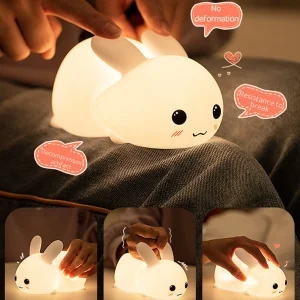
Yd001cute Cartoon Dimmable Beside Lampled Christmas Silicone Lie Jade Rabbit Night Lamp
-
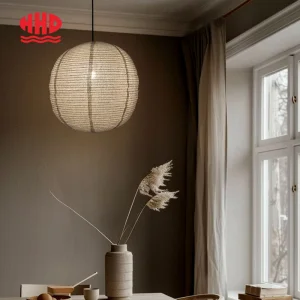
Retro Counter Handmade Art Bedroom Lamps Wabi Sabi Style Cotton Linen Fabric Chandelier Lantern
-
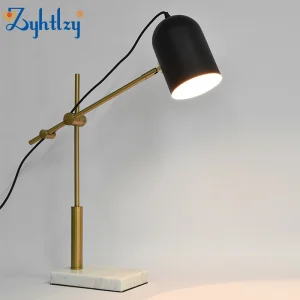
-
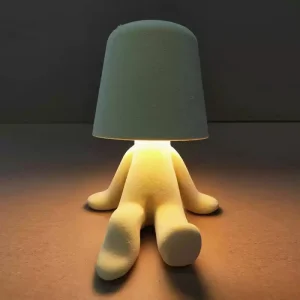
New Product Creative Modern Night Light Round Head Sit Table Lamp
-
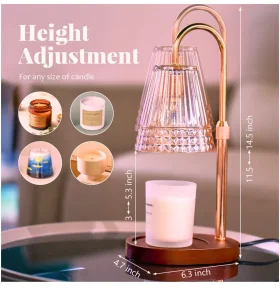
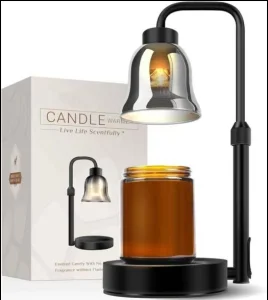
Smokeless Wooden Candle Wax Warmer Lamp with Adjustable and Dimmable Wax Melting Lamp
-
-
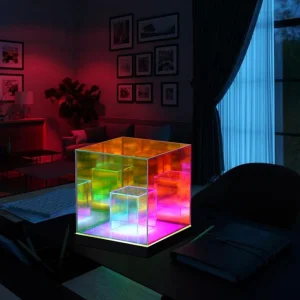
Creative 3D Acrylic LED Night Light, Dimmable Mood Decor Lamp Gift
-