Splink Lighting
Premium Architectural Lighting Selections

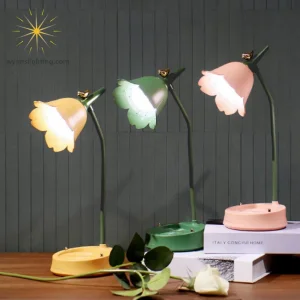
MINIMALISM, LESS IS MORE
Simplicity Unbounded · Essence Multiplied
ABOUT SPLINK LIGHTING
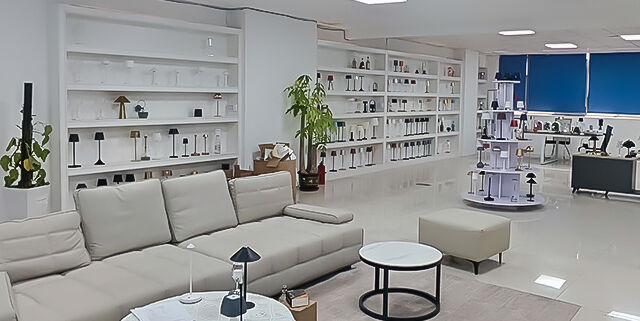
Splink Lighting transforms simplicity into smart elegance. Through minimalist architectural design and precise mechanical engineering, our product line delivers intuitive functionality wrapped in timeless, understated aesthetics. We resolve complex light containment challenges with minimalist structures.
Committed to technological inclusivity, Splink Lighting bridges the gap between premium performance, effortless integration, and sustainable durability. Our focus is to ensure that specification-grade recessed step lighting solutions remain highly accessible to developers, contractors, and lighting designers globally.
GLOBAL MARKET FOOTPRINT

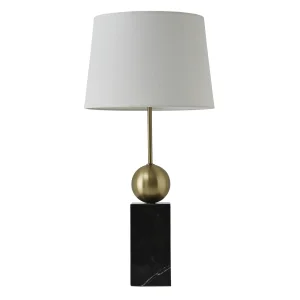
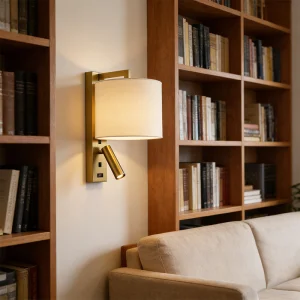
Our desk lamps and specialty architectural recessed luminaires currently illuminate homes, offices, and large commercial spaces in Europe, North America, and Southeast Asia. From sleek Scandinavian minimalist profiles to tropical-inspired organic aesthetics, we craft lights that naturally conform to diverse environmental landscapes and architectural typologies.
Every lighting fixture undergoes rigorous environmental testing, engineered to perform during Nordic winters and tropical monsoons alike. Our fixtures feature adjustable mechanics with up to 0.01° precision and universal voltage compatibility ranging from 110V to 240V, guaranteeing robust operation across global power grids.
Why Partner With Splink Lighting
An overview of our core competencies and key market differentiators.
✓ Core Strengths
-
1
Agile Customization:
7-day rapid prototyping fueled by a full-stack engineering team specializing in industrial design (ID), mechanical structure, and advanced electronic design.
-
2
Assured Quality Control:
BSCI-certified manufacturing facilities implementing strict ERP control pipelines, maintaining complete CE, RoHS, and FCC compliance backed by a 5-year replacement warranty.
-
3
Global-Ready Logistics:
Advanced cross-border e-commerce supply chains integrated with overseas warehouses and one-stop drop-shipping configurations to minimize landing times.
-
4
Market-Validated Designs:
Recognized as a leading lighting partner for major European importers and distributors, developing best-seller-oriented pricing structures for OEM/ODM models.
★ Key Differentiators
-
A
Design-to-Delivery Ecosystem:
We provide full-spectrum services including native industrial design, photorealistic 3D rendering, and professional commercial photography for direct-to-market launching.
-
B
Customer-Centric Engineering:
24/7 technical hotline access combined with preventive maintenance blueprints, photometrical analysis, and Dialux simulation support for construction bidding.
-
C
Value Multiplier:
Maximized yield ratios allow us to pass on high-efficiency margins, providing robust margin protection margins alongside small-batch production flexibility.
The Anatomy & Engineering of Recessed Step Lights
A comprehensive look at materials, thermal systems, and optics driving modern stair illumination.
Recessed step lights, while small, represent one of the most critical elements in architectural lighting design. They perform the dual function of defining boundaries (orientation) and ensuring safety. To achieve this, manufacturers must balance light quality, glare control, structural integrity, and longevity. Top Chinese manufacturers have transitioned from manufacturing basic plastic structures to engineered metal enclosures capable of surviving hostile environmental conditions.
1. Material Engineering: Housing & Faceplates
For outdoor recessed step lights, the choice of material determines whether the product lasts 10 years or fails in 6 months due to corrosion. Premium manufacturers use marine-grade 316 stainless steel or die-cast ADC12 aluminum with a high silicon content. The ADC12 aluminum housing goes through a multi-stage pre-treatment process: pickling, chromating, and electrostatic powder coating using AkzoNobel exterior-grade powders. This ensures resistance to UV degradation, salt spray, and extreme temperature fluctuations.
2. Optical Design & Glare Mitigation
A classic failure of poor step lighting is glare. When walking up or down stairs, the human eye should never be exposed to the raw light source. Modern step light designs incorporate asymmetrical optical lenses or baffled louvers that direct light at a downward angle (typically 30° to 45°). Using high-transmittance optical PMMA or tempered glass with frosted finishes allows for smooth light distribution without hot spots, ensuring the ground is illuminated while keeping the observer's eye comfortable.
3. Thermal Management & PCB Design
Because step lights are recessed directly into concrete, stone, or drywall, heat dissipation is limited by the surrounding medium. To prevent early LED decay, top Chinese manufacturers use metal-core printed circuit boards (MCPCBs) with high thermal conductivity (2.0 W/m·K or higher). The PCB is coupled directly to the aluminum body via a high-grade thermal conductive pad, keeping the junction temperature of the LED chip well below the critical 85°C limit, extending the lifespan of the fixture beyond 50,000 hours.
Technology Roadmap & Future Horizons of Step Lighting
Analyzing the convergence of IoT, sustainable power, and human-centric design.
Future step lighting is transitioning away from static color temperatures. By integrating dual-color LED arrays (e.g., 2200K ultra-warm to 4000K natural white), step lights can dynamically adjust their Kelvin levels according to circadian rhythms or architectural context, shifting to warmer tones at night to reduce blue light disruption.
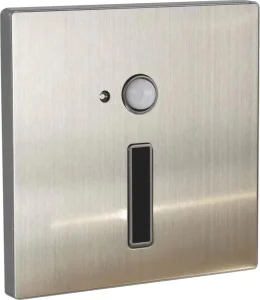
Step lights are being redesigned to work with smart home ecosystems like Matter, DALI-2, and Zigbee 3.0. Integrated micro-sensors can sense approaching foot traffic and light up stairs sequentially, providing both energy efficiency and a high-end interactive experience.
For smart structures, PoE step lights run low-voltage power and control through a single Ethernet cable, bypassing traditional conduit requirements. Outdoor applications are using higher-efficiency monocrystalline solar panels coupled with long-lasting LiFePO4 batteries for reliable grid-independent operation.
China Factory 4.0: Supply Chain Resilience & Efficiency
How smart manufacturing and industrial clusters drive performance and cost advantages.
Automated Assembly Lines
By using high-speed pick-and-place SMT machines, laser-guided welding robots, and automated dispensing machines for IP waterproofing, factories minimize human error and ensure consistent optical and electrical quality across production runs.
Supply Chain Clusters
Located in key industrial zones like Zhongshan, Shenzhen, and Ningbo, our factories sit at the center of the world's most dense raw material networks, securing quick access to die-cast foundries, premium lenses, anodizing facilities, and local driver manufacturers.
Rigorous In-House Testing
Our QA process includes testing in integrating spheres for optical parameters, IPX6/IPX7 waterproof testing chambers, salt-spray testing equipment for rust resistance, and high-low temperature chambers simulating harsh outdoor environments.
Macro Architectural & Infrastructure Solutions
Tailoring step light technology to various real-world environments and deployment scales.
Hospitality & Luxury Resorts
Luxury hotels require low-glare, warm light paths (2400K–2700K) to create an inviting atmosphere. Custom faceplate finishes like antique brass or dark bronze allow step lights to blend seamlessly with high-end architecture during the day while providing safe pathways at night.
Public Spaces & Commercial Plazas
For areas with high foot traffic like outdoor shopping malls or public parks, fixtures must resist both vandalism and heavy loads. An IK10 mechanical impact rating and thick tempered glass are essential to ensure the lights survive foot traffic, skateboards, and maintenance equipment.
Marine & Coastal Environments
Proximity to salt air accelerates corrosion in standard aluminum lights. By using titanium-stabilized stainless steel or advanced hard-anodized coatings, we manufacture step lights that resist pitting corrosion and chemical breakdown in seaside resorts and boardwalks.
Global Procurement & Certification Framework
Navigating international certifications, safety standards, and global logistics.
Working with top Chinese manufacturers requires a clear understanding of international compliance requirements. Importing lighting products into major markets like North America, Europe, or Australia requires compliance with specific safety and electromagnetic standards.
| Region | Key Certifications Required | Technical Focus Area |
|---|---|---|
| North America | UL 1598, UL 8750, FCC Part 15, ETL | Driver fire safety, thermal testing, electromagnetic interference levels. |
| Europe / UK | CE, RoHS, ErP, UKCA, ENEC | Eco-design requirements, hazardous substance restrictions, driver electrical safety. |
| Australia | SAA, RCM | Main voltage line isolation, electrical plug configurations, thermal degradation tests. |
Beyond certifications, logistics performance is key to maintaining project timelines. Established manufacturers offer flexible delivery models: FOB (Free on Board), CIF (Cost, Insurance, and Freight), or DDP (Delivered Duty Paid). By using regional warehousing hubs, we support cross-border commercial clients with rapid parts delivery, reducing replacement timelines from weeks to days.
Recessed Step Light Procurement FAQ
Answering the most common technical, electrical, and customization questions.