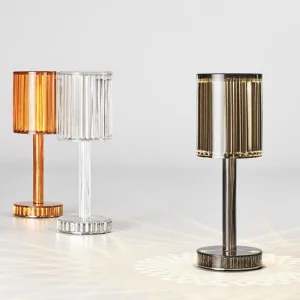
Splink Lighting
Premium Design & Architecture Solutions
Explore our highly-curated selection of smart luminaires, vintage aesthetics, and performance architectural lighting.

Executive Sourcing Insight: The B2B Landscape of Retro Table Lamps
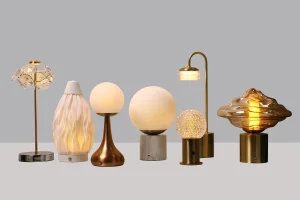
In the contemporary design arena, the retro aesthetic is no longer merely a nostalgic trend; it is a critical commercial asset. Global consumers, hospitality conglomerates, and luxury residential projects are increasingly demanding retro-inspired portable lighting systems that seamlessly merge mid-century profiles with advanced engineering protocols. From the iconic Bauhaus profiles of the 1920s to the bold spaces and industrial forms of the 1970s, the retro table lamp has evolved. For global buyers, identifying a reliable factory partner capable of balancing material authenticity with modern certification standards is key to maintaining market share and healthy profit margins.
As a procurement director or cross-border e-commerce brand owner, navigation through thousands of regional manufacturers requires deep domain knowledge. This whitepaper analyzes the manufacturing clusters, technological integration roadmaps, quality control guidelines, and localization matrices required to source successfully from top-tier retro lighting manufacturers.
Macro-Industry Dynamics & Sourcing Challenges
The manufacturing of retro table lamps is highly complex. Unlike generic modern lighting products that rely entirely on automated injection molding and standardized plastic extrusions, high-end retro lighting demands a mixture of raw material integrity, artisan finish treatments, and high-performance electronics. B2B buyers frequently face critical supply-chain challenges:
Material Authenticity vs. Production Cost
Premium retro fixtures require raw metals such as spun brass, copper, cast iron, and blown glass or wood veneer. Substandard suppliers often substitute these with electroplated plastics or low-density zinc alloys, which compromises both the visual weight and durability of the lamp.
Global Regulatory & Safety Compliance
Importers must verify that their factory partner holds updated certifications (such as UL, CE, RoHS, FCC, and SAA) corresponding to regional markets. Non-compliant electrical assemblies can lead to customs seizures, liability, and costly product recalls.
Integration of Modern IoT Systems
Today's commercial and domestic spaces expect intelligent functionality. Standard retro housings must be engineered to contain Zigbee, Thread, or Wi-Fi control modules, plus USB-C rechargeable battery pathways, without disrupting the iconic design profile.
The Standard Blueprint for Selecting Top 10 Retro Table Lamp Factories
A premium manufacturing factory is not merely a supplier; they act as a vital strategic partner in your design ecosystem. When evaluating potential factories, consider the following parameters to ensure production stability and brand alignment:
- Spun Metal & Casting Facilities: Look for in-house metal forming, lathe pressing, and polishing capabilities. Factories with dedicated CNC setups can achieve the strict tolerances required for multi-axis articulation joints.
- Authentic Finishing Processes: Premium factories feature closed-loop electroplating or powder-coating chambers to apply antique brass, matte bronze, and oxide finishes. These coatings must pass salt-spray corrosion tests to ensure long-term stability in humid environments.
- BSCI & ISO Quality Standards: The facility must operate under ISO 9001:2015 frameworks and undergo regular BSCI (Business Social Compliance Initiative) audits to safeguard corporate social responsibility requirements.
- Robust R&D Capabilities: Industry leaders feature full-stack engineering teams (comprising industrial designers, structural draftsmen, and electronics engineers) capable of taking conceptual sketches and outputting precise 3D prototypes and mold designs in under 10 days.
Technological Roadmap & Future Design Convergences
The future of retro lighting is smart, sustainable, and highly adaptable. Top-tier B2B manufacturers are shifting away from traditional filament bulbs to integrated, high-efficacy LED light sources. These new designs incorporate advanced optical diffusers to replicate the warm, amber glow of classic tungsten filaments while slashing energy usage by up to 88%.
Key Technical Advancements in Modern Retro Lighting:
- Lithium-Ion USB-C Integration: Portable, cordless retro table lamps powered by integrated 5200mAh to 10000mAh battery packs. This setup allows up to 40 hours of continuous wireless illumination, suitable for upscale restaurants, terraces, and architectural spaces.
- Smart Home Compatibility: Adapting retro designs to support smart control pathways. Using compact Zigbee 3.0 or BLE (Bluetooth Low Energy) mesh protocols, retro table lamps can connect seamlessly to Google Assistant, Amazon Alexa, and Apple HomeKit.
- Dim-to-Warm (D2W) Technology: Innovative LED chips that automatically shift color temperature from a neutral 3000K down to a rich, warm 1800K as they are dimmed. This replicates the thermal behavior and ambient feel of traditional incandescent lighting.
- Sustainable Materials Sourcing: Use of ocean-bound recycled plastics, biodegradable wood pulp composite materials, and low-impact bamboo options to address strict environmental requirements in Nordic and European markets.
Localized Application Scenarios & Commercial Case Studies
Retro table lamps are highly versatile design accents used across residential, hospitality, and corporate environments. Different vertical markets demand unique product properties to satisfy distinct end-user requirements:
1. Luxury Hospitality & Dining Projects
For fine dining, luxury hotels, and lounge bars, lighting is critical to the guest experience. Cordless retro brass lamps are widely used as centerpieces. These fixtures must feature a minimum IP44 rating to protect against unexpected outdoor exposure or spills, along with heavy, anti-tip bases to handle high-traffic environments.
2. Boutique Residential & Home Offices
Modern consumers seek classic visual statements that double as reliable task lighting. In these settings, articulated retro desk lamps featuring counterweighted balancing arms, precision-engineered metal shades, and high Color Rendering Index (CRI > 90) LED light sources are highly sought after.
3. Commercial Offices & Design Workspaces
Contemporary workspaces often combine vintage industrial design with clean minimalism. Incorporating retro floor and desk lamps with built-in USB charging ports, integrated wireless charging pads, and smart occupancy sensors allows developers to achieve a classic aesthetic while meeting strict green building energy standards.
ABOUT US & GLOBAL CAPABILITIES
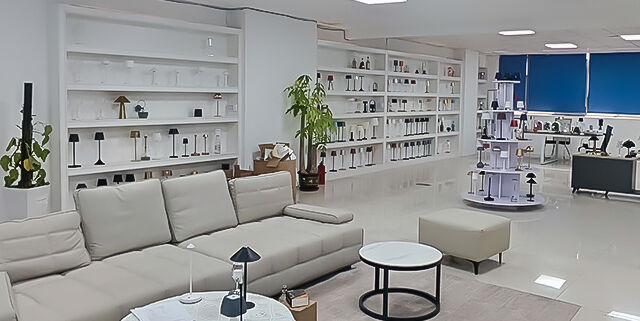
Splink Lighting: Merging Minimalist Design with Precision OEM/ODM Engineering
Compliance & Global Logistics Sourcing Guide
Importing electrical appliances demands robust compliance management. A failure to verify regulatory details can lead to unexpected delays at customs or liability issues. When sourcing retro lamps from a manufacturer, verify that the following certifications match your destination market:
| Destination Region | Required Certification | Key Focus Area |
|---|---|---|
| European Union | CE, RoHS, ERP Directive | LVD safety, restricted hazardous materials, energy efficiency limits. |
| North America | UL 153, FCC Part 15, Prop 65 | Fire risk testing, electromagnetic radiation boundaries, lead content limits. |
| United Kingdom | UKCA, RoHS UK | Post-Brexit electrical safety, BS Standards alignment. |
| Australia & NZ | SAA, RCM | Safety certification compliance, local mains voltage compatibility. |
Mitigating Supply Chain and Customs Clearance Risks
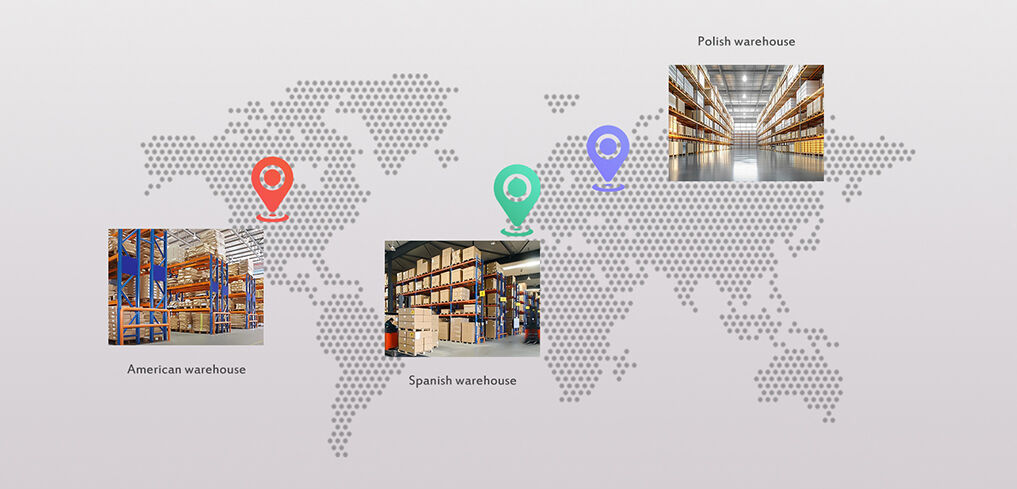
Beyond certification, ensure your manufacturing partner uses drop-resistant packaging (IST-3A or 1A standards) featuring high-density polyethylene (EPE) foam molding. This is especially critical for glass shades and delicate brass joints. Furthermore, clarify trade terms (FOB, DDP, CIF) in detail, and request clear tracking documentation to streamline customs clearance.
Frequently Asked Questions (FAQ)
Expert sourcing guidance addressing common procurement, technical, and logistics queries.
Innovative Lighting & Retro Designs
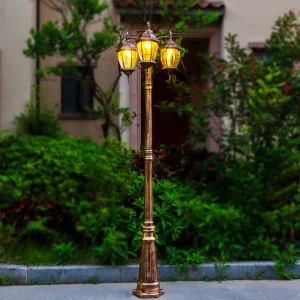
Discover our range of vintage street lamps, multi-functional desk lighting, and custom fixtures designed for modern projects.